
chicken pomodoro pasta recipe

The Best chicken pomodoro pasta recipe
Chicken pomodoro pasta is one of those recipes that feels like a warm hug for my family’s table. There’s something so comforting about the way the rich, savory chicken melts into the bright, tangy tomatoes and al dente pasta. It’s not just a meal—it’s a way to bring everyone together, whether it’s a lazy Sunday dinner or a weeknight when I need something quick but still feels special. My kids love it because it’s got that perfect balance of flavors—the zesty kick of the tomatoes, the smoothness of the cream, and the satisfying chew of the pasta. They’ll eat it straight from the pot, and honestly, I’ve never had a kid turn down a plate of this.
I also love how versatile it is. You can make it a full meal with a simple side salad or crusty bread, or just serve it straight up with a sprinkle of Parmesan. It’s easy to double the recipe if we’re having guests, and it tastes even better the next day because the flavors mingle and deepen. Plus, it’s got all the nutrients you need—protein from the chicken, fiber from the pasta and veggies, and vitamins from the tomatoes. It’s not heavy, but it’s not light either; it’s just the right amount of indulgence without feeling like a guilty treat. My husband says it’s his go-to when he’s craving something hearty but still healthy, and I can’t argue with that. It’s that kind of recipe that makes dinner feel effortless yet meaningful.
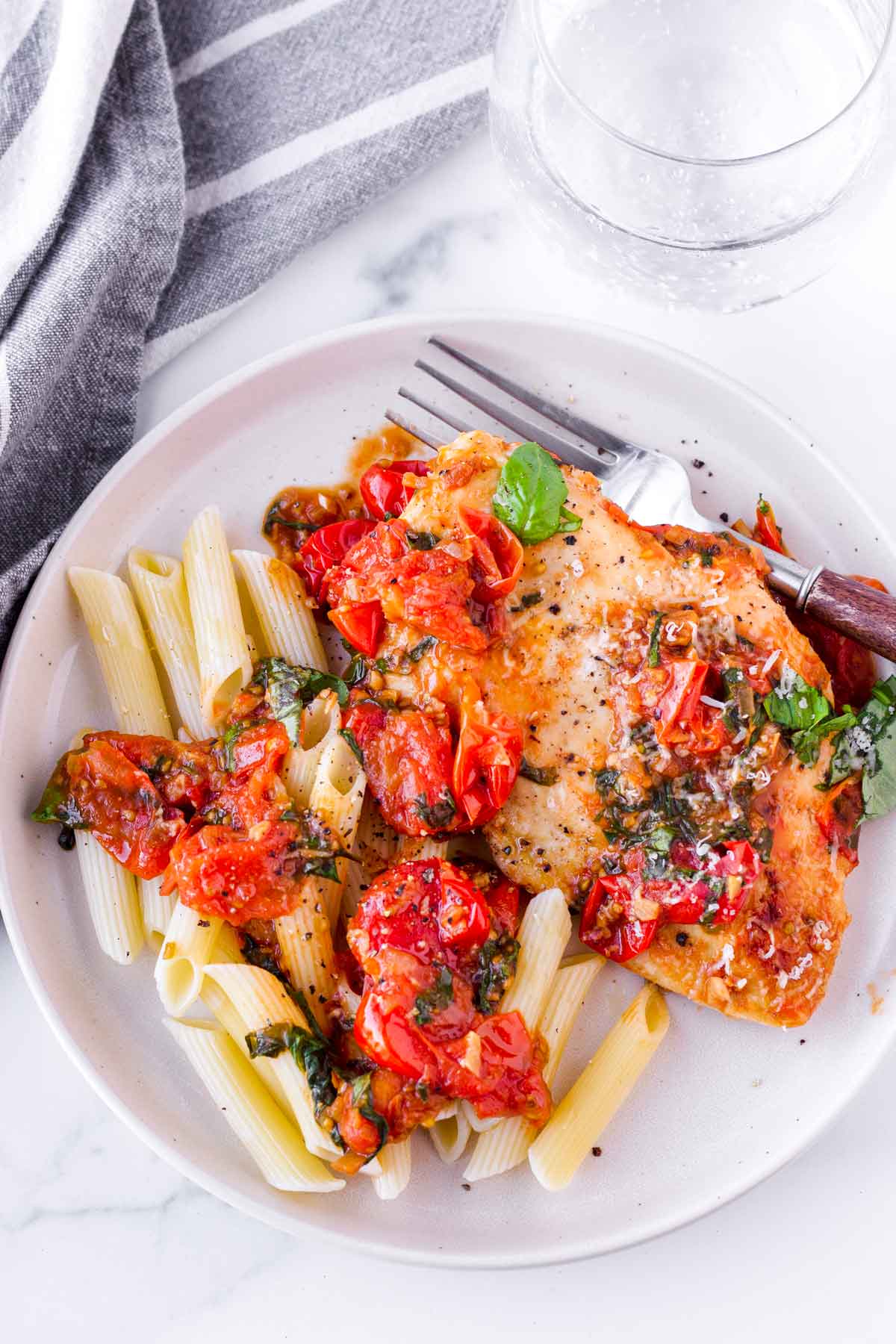
Chicken Pomodoro Pasta
A flavorful one-pan dish featuring tender chicken, fresh tomatoes, and al dente pasta in a rich tomato sauce. This recipe is a must-try for any occasion.
🥘Ingredients
- 1.5 lbs boneless chicken breasts/thighs
- 2 tbsp olive oil
- 1 tsp dried oregano
- 1 tsp garlic powder
- ½ tsp salt
- ½ tsp black pepper
- 12 oz fettuccine or spaghetti
- 2 cups chicken broth
- 1 cup grated Parmesan cheese
- 1.5 cups crushed tomatoes
- 3 cloves garlic, minced
- 1 tbsp tomato paste
- 1 tsp red pepper flakes (optional)
- 1 cup fresh basil, chopped
- Salt and pepper to taste
👨🍳Directions
-
1 Preheat oven to 375°F (190°C). Season chicken with oregano, garlic powder, salt, and pepper. Heat olive oil in a skillet over medium-high heat. Cook chicken for 5-6 minutes per side until golden and cooked through. Remove and set aside.
-
2 In the same skillet, add minced garlic and red pepper flakes (if using). Sauté for 30 seconds until fragrant. Add crushed tomatoes, tomato paste, and chicken broth. Simmer for 10 minutes.
-
3 Cook pasta in boiling salted water according to package instructions. Drain and set aside.
-
4 Return chicken to the skillet with sauce. Stir in cooked pasta and Parmesan cheese. Simmer for 2-3 minutes to combine flavors.
-
5 Garnish with fresh basil before serving.
🔧Equipment
- Large skillet or Dutch oven
- Knife and cutting board
- Mixing bowls
- Pasta pot
- Wooden spoon
- Measuring cups/spoons
📊Nutrition Facts (per serving)
📝Notes
Watch Video Of How Chicken Pomodoro Pasta Works
This Chicken Pomodoro Pasta is always a crowd-pleaser because it’s simple enough to make while you’re prepping for a busy day, yet it feels special enough to serve at family gatherings. The bright, fresh flavors of tomatoes, garlic, and herbs make it quick to assemble and always taste even better when shared with loved ones—whether you’re hosting a casual dinner or keeping things cozy on a weeknight. It’s the kind of dish that doesn’t require fancy skills but still feels like a real effort, and that’s why it’s my go-to for when I want something hearty, flavorful, and stress-free.
❓ Frequently Asked Questions About Chicken Pomodoro Pasta
What is the main difference between this Chicken Pomodoro Pasta recipe and traditional marinara-based pasta dishes?
This Chicken Pomodoro Pasta recipe incorporates fresh, roasted tomatoes and a blend of aromatic herbs (like basil and oregano) directly into the sauce, while traditional marinara often relies on canned tomatoes, simmered longer, and sometimes includes garlic, onions, and red wine. The key difference is the use of roasted tomatoes for a sweeter, more concentrated flavor and a lighter, fresher sauce that highlights the chicken’s natural taste without overpowering it.
—
Why should I roast the tomatoes before adding them to the sauce?
Roasting the tomatoes intensifies their natural sweetness and deepens their flavor by concentrating their juices and caramelizing their natural sugars. This process also enhances the herbs (like basil and oregano) by infusing them into the tomatoes during roasting. The result is a richer, more complex sauce that balances the chicken’s tenderness with a bright, slightly tangy finish.
—
Can I substitute any of the herbs in this recipe, and if so, which ones?
While the recipe calls for fresh basil and oregano, you can adjust the herbs based on preference. For example: – More heat: Add a pinch of crushed red pepper flakes or a small amount of dried chili powder. – Earthier flavor: Swap oregano for thyme or rosemary. – Brightness: Increase the garlic or add a dash of lemon zest for extra zing. Just ensure the herbs complement the tomatoes and chicken—avoid overly bitter or overly sweet alternatives like mint or cilantro.
—
How do I prevent the sauce from becoming too thick or watery while cooking?
To maintain the right consistency: 1. Simmer gently: Cook the sauce at a low-medium heat to allow the tomatoes to break down naturally without evaporating too much liquid. 2. Deglaze properly: After sautéing the garlic and onions, add a splash of wine or broth to scrape up browned bits, then reduce it before adding tomatoes. 3. Stir frequently: Use a wooden spoon to break up chunks and distribute the sauce evenly. 4. Adjust with pasta water: If the sauce is too thick, add a splash of pasta water or broth to thin it out gradually. If too thin, simmer longer to reduce. 5. Blend (optional): For a smoother texture, blend the sauce briefly after cooking, then return it to the pot.
—
What’s the best way to cook the chicken to ensure it’s tender and not dry?
For juicy, tender chicken: 1. Poach first: Sear the chicken breasts in a hot pan with olive oil for 2–3 minutes per side until golden, then transfer to a pot with the sauce. This prevents drying while cooking. Alternatively, poach in the sauce for 5–6 minutes until just cooked (165°F/74°C internal temp). 2. Don’t overcook: Remove chicken from the sauce 1–2 minutes before the sauce finishes cooking to avoid overcooking it. 3. Rest: Let the chicken rest for 2–3 minutes before serving to redistribute juices. 4. Use the right cut: Chicken thighs or breasts work best—thighs stay juicier, while breasts can be slightly undercooked if poached. Avoid overcrowding the pot to ensure even cooking.
