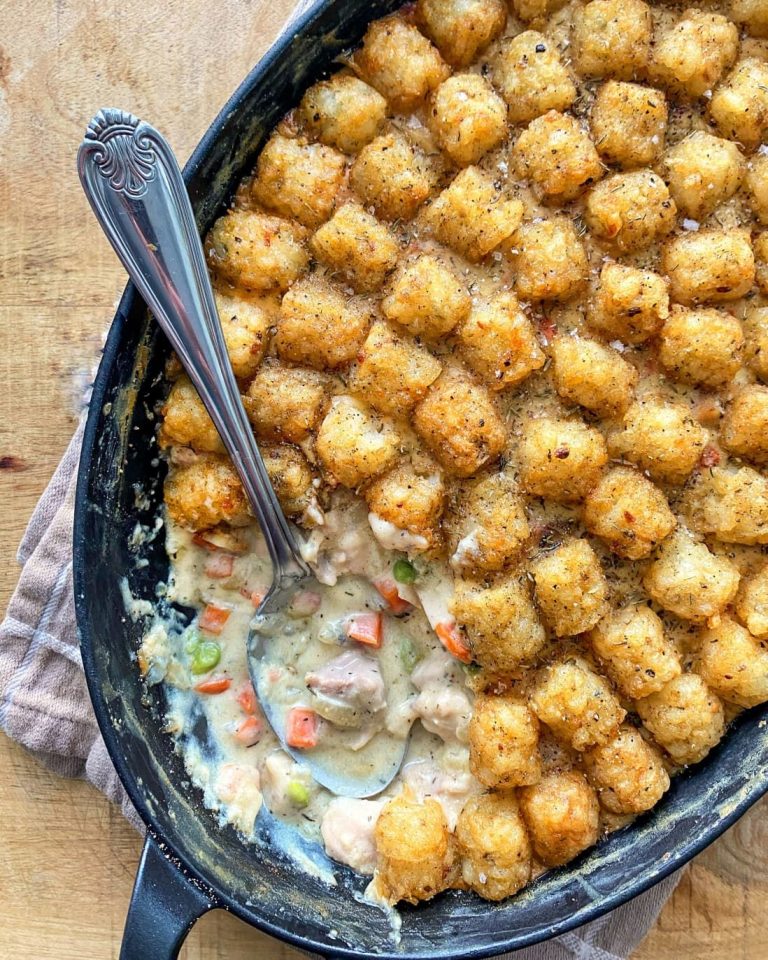
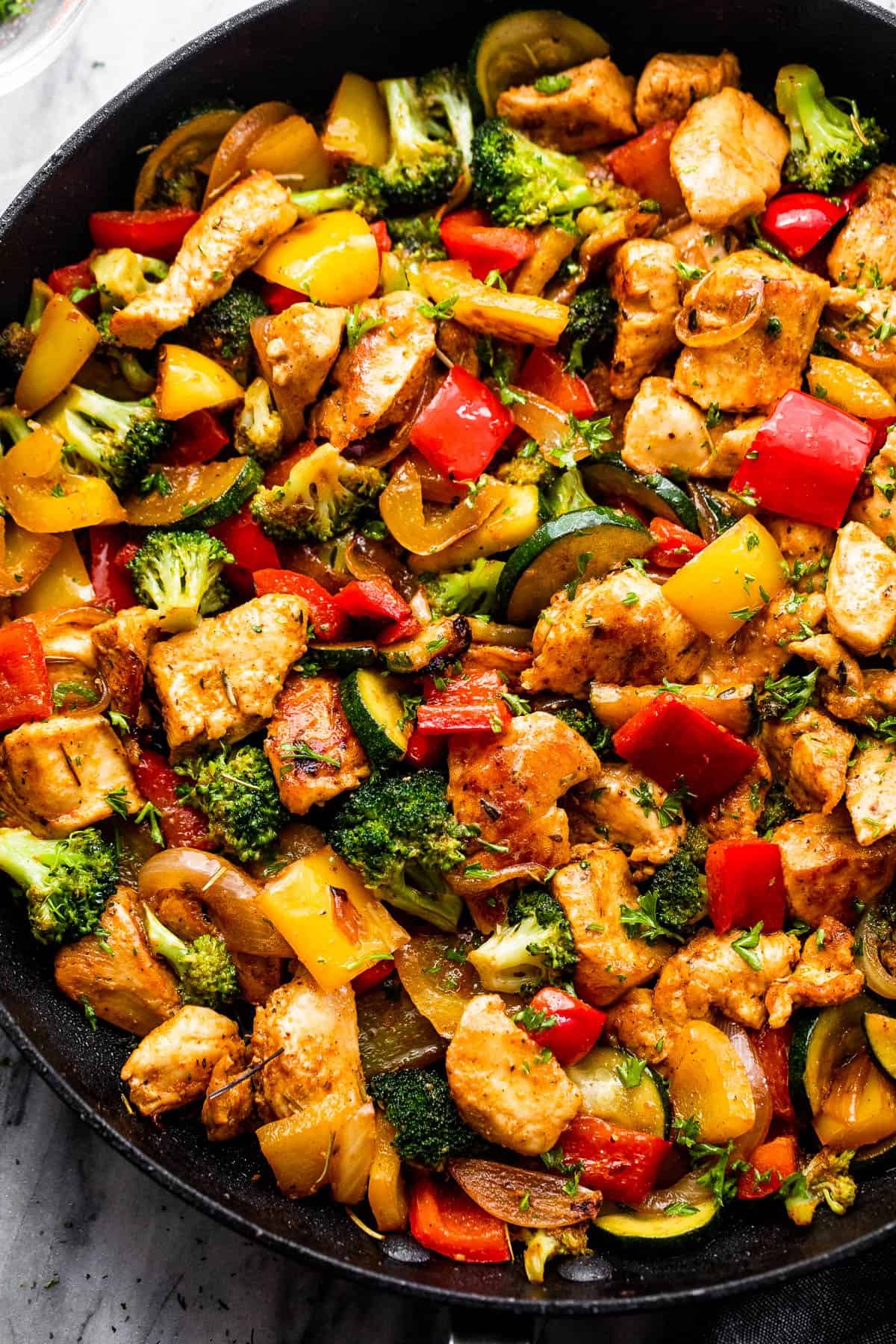
fried chicken recipe in frying pan

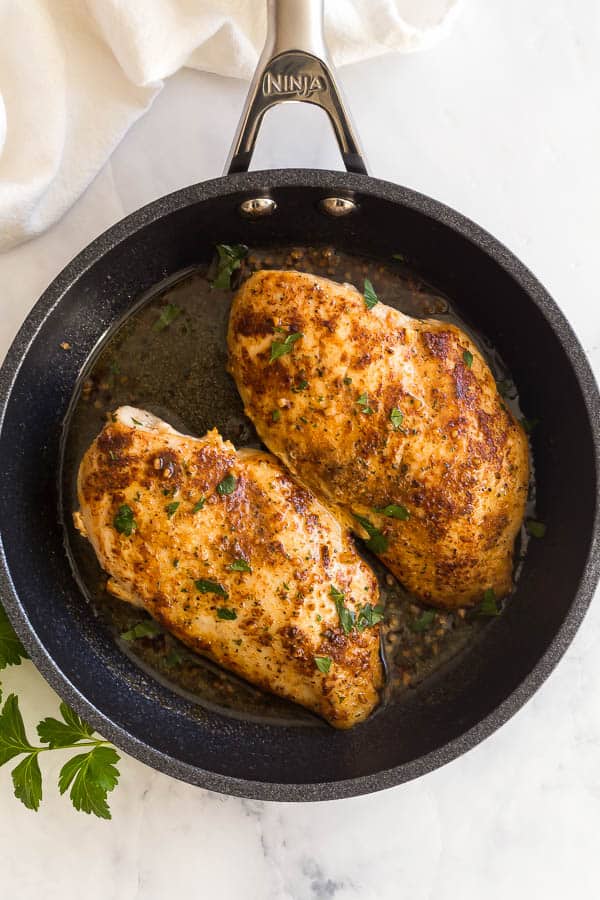
The Best fried chicken recipe in frying pan
I’ve been making fried chicken in a frying pan for years, and it’s still one of my go-to meals when I want something quick, satisfying, and loved by everyone at the table. There’s something about the crispy crust and juicy meat that just hits the spot every time.
My kids ask for it at least once a week, and even my picky eaters clean their plates. It’s not just comfort food; it’s a reliable dinner that works for busy weeknights or lazy weekends when I don’t feel like fussing over the oven.
What I love most about this recipe is how simple it is without sacrificing flavor. You don’t need a deep fryer or any fancy equipment—just a good cast-iron skillet and a few basic ingredients. Plus, frying in a pan means I can control the oil better than deep-frying, so it’s a little lighter while still giving that perfect crunch.
Click here for: crock pot chicken recipe
The seasoning blend I use packs a punch without being overwhelming, and the chicken stays tender inside. It’s also a great way to use up leftover buttermilk or herbs, making it a practical choice for reducing waste.
Another reason this recipe is a winner is how versatile it is. Serve it with mashed potatoes and green beans for a classic Southern-style meal, or toss it into wraps or salads for a quick lunch. The leftovers reheat well, too, so I often make extra for the next day.
And while fried chicken might not be the first thing that comes to mind when you think “healthy,” using skinless chicken and a moderate amount of oil keeps it balanced. The protein keeps us full, and when I pair it with veggies, it’s a well-rounded meal that doesn’t leave anyone feeling sluggish afterward. It’s one of those recipes that just works, no matter the occasion.
Crispy Pan-Fried Chicken
This classic pan-fried chicken recipe delivers juicy meat with a golden, crispy crust. Perfect for a quick weeknight dinner or a comforting weekend meal.
🥘Ingredients
- 4 boneless, skinless chicken thighs (or breasts)
- 1 tsp salt
- ½ tsp black pepper
- 1 tsp paprika
- 1 tsp garlic powder
- ½ tsp onion powder
- 1 cup all-purpose flour
- ½ cup cornstarch
- 1 tsp baking powder
- 1 tsp salt
- ½ tsp black pepper
- 1 tsp cayenne pepper (optional, for heat)
- ½ cup buttermilk (or ½ cup milk + 1 tbsp vinegar)
- 2 large eggs
- 3-4 cups vegetable oil (or enough to submerge chicken halfway)
👨🍳Directions
-
1 Pat the chicken dry with paper towels and season both sides with salt, pepper, paprika, garlic powder, and onion powder. Set aside.
-
2 In a shallow dish, whisk together buttermilk and eggs until well combined. In a separate bowl, mix flour, cornstarch, baking powder, salt, pepper, and cayenne (if using).
-
3 Dip each piece of chicken into the buttermilk mixture, letting excess drip off, then coat thoroughly in the flour mixture. Press gently to adhere. Place on a plate and let rest for 5 minutes.
-
4 Heat ½ inch of oil in a deep frying pan over medium-high heat (350°F/175°C). Use a thermometer for accuracy or test with a pinch of flour—it should sizzle immediately.
-
5 Carefully place chicken in the pan, leaving space between pieces to avoid overcrowding. Fry for 5-6 minutes per side, or until golden brown and internal temperature reaches 165°F (74°C).
-
6 Transfer fried chicken to a paper towel-lined plate to drain excess oil. Let rest for 5 minutes before serving.
🔧Equipment
- Large mixing bowl
- Shallow dish or pie plate
- Deep frying pan or skillet
- Tongs
- Paper towels
- Meat thermometer (optional)
📊Nutrition Facts (per serving)
📝Notes
Watch Video Of How Crispy Pan-Fried Chicken Works
This fried chicken recipe is one of those fool proof dishes that always delivers—crispy on the outside, juicy on the inside, and simple enough to make in a frying pan without any fuss. It’s perfect for weeknight dinners, weekend family meals, or even potlucks because it’s easy to scale up and everyone, from kids to grandparents, will happily dig in. Whether you’re feeding a crowd or just looking for a comforting meal, this recipe never disappoints.
Click here for: kosher chicken soup recipe
❓ Frequently Asked Questions About Crispy Pan-Fried Chicken
1. Can I use boneless chicken for frying in a pan?
Yes, you can use boneless chicken thighs or breasts for frying in a pan. Boneless cuts cook faster and are easier to eat, but they may dry out if overcooked. To prevent this, marinate the chicken beforehand and avoid frying at too high a temperature. Bone-in chicken tends to stay juicier, but both options work well.
2. What’s the best oil for frying chicken in a pan?
The best oils for frying chicken in a pan are those with a high smoke point, such as vegetable oil, canola oil, peanut oil, or sunflower oil. These oils can withstand the high heat needed for crispy frying without burning. Avoid olive oil, as it has a lower smoke point and can impart a strong flavor.
3. How do I keep the fried chicken crispy after cooking?
To keep fried chicken crispy, place it on a wire rack set over a baking sheet after frying. This allows air to circulate and prevents steam from making the coating soggy. Avoid covering it with foil or placing it in a closed container while hot. For extra crispiness, you can also reheat it in the oven at 375°F (190°C) for a few minutes before serving.
4. Why is my fried chicken not crispy?
If your fried chicken isn’t crispy, it could be due to several reasons: the oil temperature was too low, the chicken was overcrowded in the pan, or the coating wasn’t dry before frying. Ensure the oil is hot enough (around 350°F/175°C), fry in small batches, and pat the chicken dry before dredging. Using cornstarch in the flour mixture can also help achieve a crispier texture.
5. How long should I fry chicken in a pan?
The frying time depends on the size and cut of the chicken. For bone-in pieces (like thighs or drumsticks), fry for about 12–15 minutes, turning occasionally, until golden brown and the internal temperature reaches 165°F (74°C). Boneless chicken breasts or thighs may take 8–10 minutes. Always check for doneness with a meat thermometer to avoid undercooking.