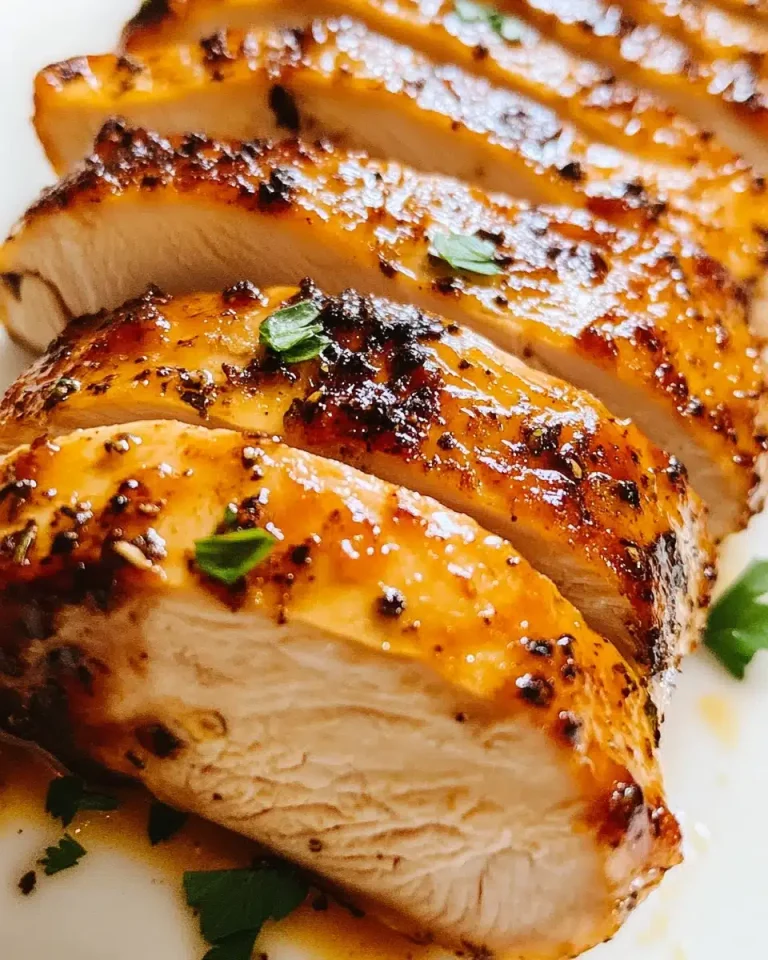
bulgogi chicken recipe korean

The Best bulgogi chicken recipe korean
I first tried bulgogi chicken years ago at a tiny Korean restaurant near my sister’s house, and I’ve been obsessed ever since. The way the sweet and savory marinade caramelizes on the chicken is just irresistible—it’s tender, flavorful, and so easy to make at home. My kids absolutely love it, especially when I serve it over rice with a side of quick-pickled cucumbers. They’ll even eat extra veggies if I toss them in the pan with the chicken, which is a win in my book.
What I love most about this recipe is how versatile it is. It’s perfect for a weeknight dinner because it comes together in under 30 minutes, but it’s also great for gatherings—just double the batch and let everyone serve themselves. Plus, it’s packed with protein and can be made lighter by using less sugar or swapping in coconut aminos if you’re watching your sodium. The marinade is simple but full of bold flavors, and the leftovers taste even better the next day. If you’re looking for a dish that’s quick, healthy, and always a hit, this is the one.
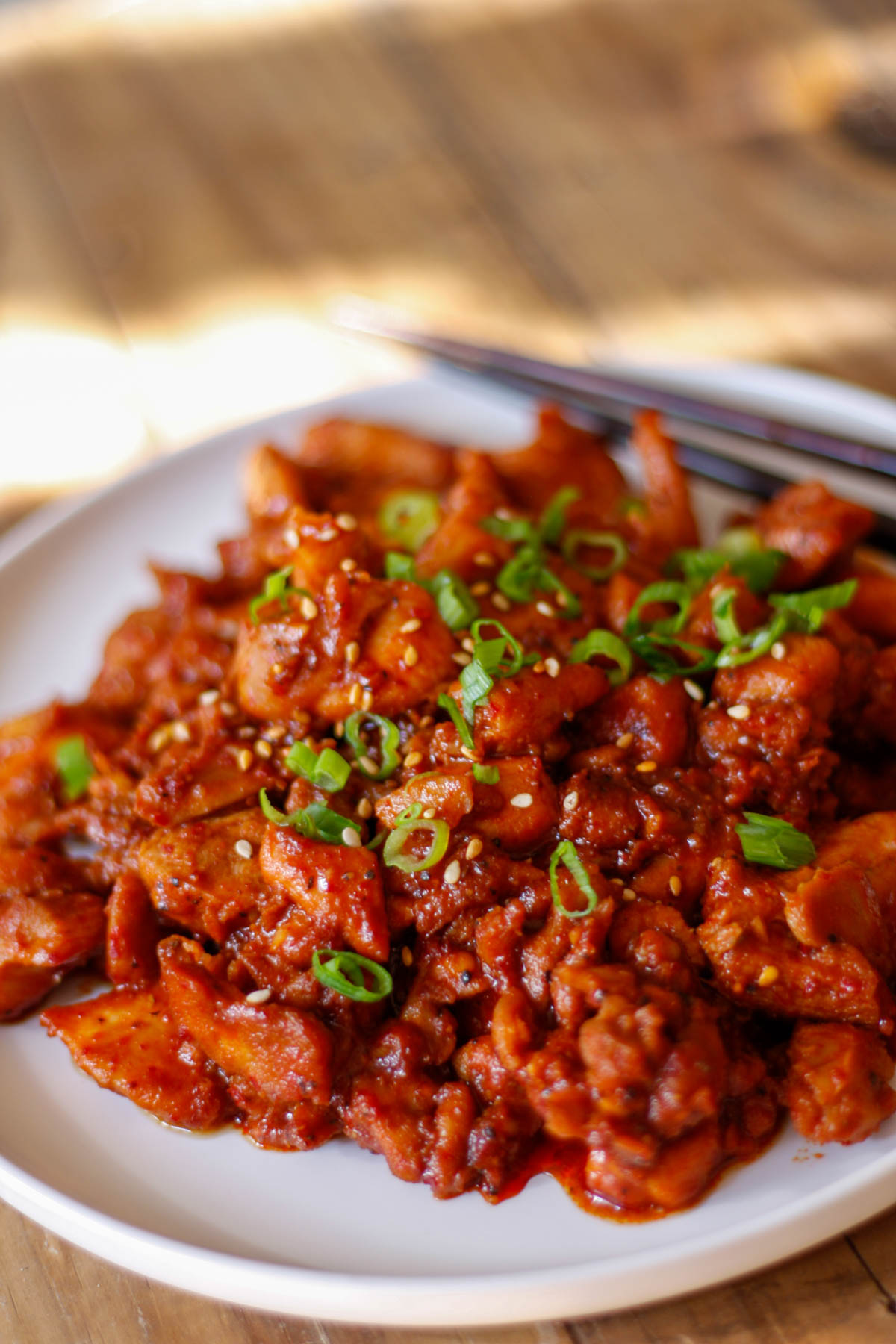
Korean Bulgogi Chicken
A savory and slightly sweet Korean-inspired dish featuring tender marinated chicken. This easy-to-make recipe is perfect for a quick weeknight dinner and pairs well with steamed rice and fresh vegetables.
🥘Ingredients
- 1.5 lbs (700g) boneless, skinless chicken thighs, thinly sliced
- 1/3 cup soy sauce (low-sodium preferred)
- 3 tbsp brown sugar
- 2 tbsp honey
- 3 cloves garlic, minced
- 1 tbsp fresh ginger, grated
- 1 tbsp sesame oil
- 1 tbsp rice vinegar
- 1 tbsp gochujang (Korean red pepper paste, optional for heat)
- 1 small Asian pear or 1/4 cup grated apple (for tenderizing)
- 1/2 tsp black pepper
- 1 tbsp toasted sesame seeds
- 1 tbsp vegetable oil (for cooking)
- 1 small onion, thinly sliced
- 2 green onions, chopped (for garnish)
- 1 tsp toasted sesame seeds (for garnish)
👨🍳Directions
-
1 In a mixing bowl, combine soy sauce, brown sugar, honey, minced garlic, grated ginger, sesame oil, rice vinegar, gochujang (if using), grated Asian pear or apple, and black pepper. Whisk until the sugar dissolves.
-
2 Add the thinly sliced chicken thighs to the marinade and mix well to ensure all pieces are coated. Let it marinate for at least 15 minutes (or up to 2 hours in the refrigerator for deeper flavor).
-
3 Heat vegetable oil in a large skillet or wok over medium-high heat. Add the sliced onions and sauté for 2 minutes until slightly softened.
-
4 Add the marinated chicken to the skillet in a single layer (work in batches if needed). Cook for 5-6 minutes, stirring occasionally, until the chicken is cooked through and caramelized.
-
5 Sprinkle toasted sesame seeds over the chicken and toss to combine. Garnish with chopped green onions before serving.
-
6 Serve hot with steamed rice, kimchi, or your favorite side dishes.
🔧Equipment
- Mixing bowl
- Whisk
- Large skillet or wok
- Tongs
- Cutting board
- Knife
📊Nutrition Facts (per serving)
📝Notes
Watch Video Of How Korean Bulgogi Chicken Works
This bulgogi chicken recipe is one of those foolproof dishes that always delivers—sweet, savory, and packed with flavor without being complicated. It’s perfect for weeknight dinners when you need something quick but still impressive, or for weekend gatherings where you want a crowd-pleaser that’s easy to scale up. Whether you’re feeding picky kids or hosting a potluck, this dish brings everyone to the table with minimal effort and maximum satisfaction.
❓ Frequently Asked Questions About Korean Bulgogi Chicken
1. What is bulgogi chicken, and how is it different from traditional bulgogi?
Bulgogi chicken is a variation of the classic Korean bulgogi, which traditionally uses thinly sliced beef. The chicken version replaces beef with boneless chicken thighs or breasts, marinated in a similar sweet and savory sauce made from soy sauce, sugar (or honey), garlic, sesame oil, and pear (or kiwi) for tenderness. The key difference is the protein—chicken is lighter and cooks faster than beef, making it a quicker and often more budget-friendly option.
2. Can I use chicken breast instead of thighs for bulgogi chicken?
Yes, you can use chicken breast, but thighs are recommended for better flavor and juiciness. Chicken breast tends to dry out more easily during cooking, especially if overcooked. If using breast, slice it thinly and marinate it for at least 2 hours (or overnight) to help tenderize it. Cook it quickly over high heat to prevent drying out.
3. Do I need to use Asian pear or kiwi in the marinade?
Asian pear or kiwi acts as a natural tenderizer due to their enzymes, but they’re not mandatory. If you don’t have them, you can substitute with 1–2 tablespoons of grated apple, pineapple juice, or even a splash of soda (like Sprite or 7-Up) to help soften the chicken. Alternatively, skip it and marinate the chicken longer (4+ hours) for similar tenderness.
4. How long should I marinate bulgogi chicken for the best flavor?
For the best flavor and texture, marinate the chicken for at least 2 hours, but overnight (8–12 hours) is ideal. If you’re short on time, even 30 minutes will infuse some flavor, but the chicken won’t be as tender. Avoid marinating for more than 24 hours, as the enzymes in the pear/kiwi can break down the meat too much, making it mushy.
5. What’s the best way to cook bulgogi chicken—grilling, pan-frying, or baking?
All methods work, but pan-frying is the most common for home cooks. Heat a skillet over medium-high heat, cook the chicken in batches (to avoid steaming), and let it caramelize for 3–4 minutes per side. For grilling, use skewers or a grill pan to prevent sticking. Baking (at 400°F/200°C for 15–20 minutes) is convenient but may not achieve the same char. Regardless of the method, cook until the internal temperature reaches 165°F (74°C).