
chicken breast recipe healthy

- The Best chicken breast recipe healthy
- Lemon-Garlic Grilled Chicken Breast with Quinoa
- 🥘Ingredients
- 👨🍳Directions
- 🔧Equipment
- 📊Nutrition Facts (per serving)
- 📝Notes
- Watch Video Of How Lemon-Garlic Grilled Chicken Breast with Quinoa Works
- ❓ Frequently Asked Questions About Lemon-Garlic Grilled Chicken Breast with Quinoa
The Best chicken breast recipe healthy
Chicken breast is one of my favorite things to cook because it’s so versatile and always a hit with my family. There’s something about a perfectly seasoned, juicy breast that makes every meal feel special—whether it’s for a quick weeknight dinner or a bigger gathering. My kids love it because it’s lean, flavorful, and easy to customize—marinades, spices, or even just a simple salt and pepper can turn it into something exciting. It’s also one of the healthiest proteins out there, packed with protein to keep us full and muscle-building nutrients without the extra fat. Plus, it’s budget-friendly and holds up well in meals, whether grilled, baked, or stir-fried.
I’ve found that this recipe works for so many occasions—weekend brunches, holiday dinners, even just a simple lunch for the kids. It’s that kind of dish that doesn’t require much fuss but still feels satisfying and nourishing. My husband and I both love it because it’s easy to prep ahead, and the kids always ask for seconds or thirds. The health benefits are real too—lean protein keeps energy steady, and it’s low in saturated fat compared to other cuts. Plus, it’s quick to cook, so there’s no stress when life gets busy. It’s that kind of recipe that feels like a no-brainer for everyday eating, but it also stands up when you want to impress someone.
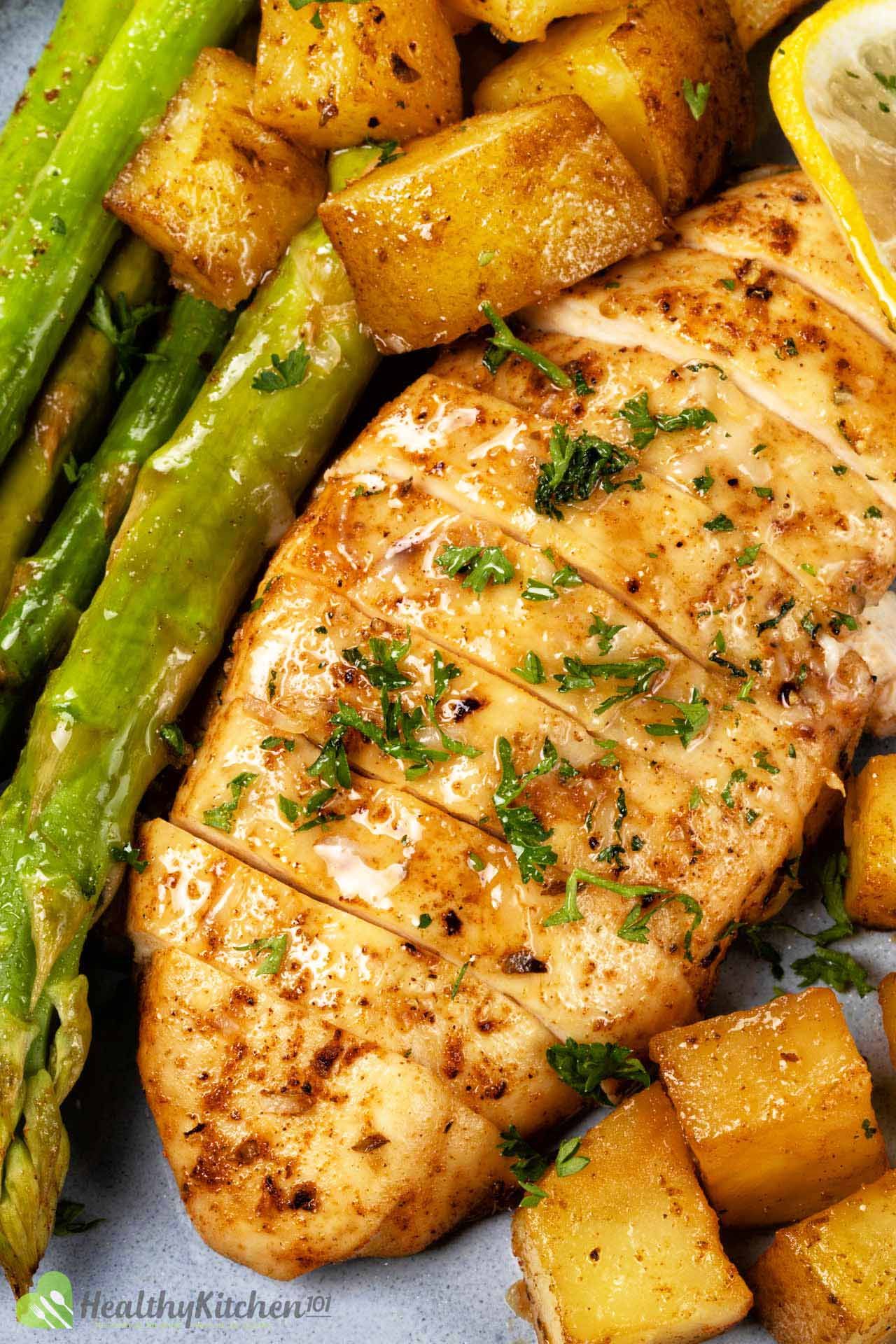
Lemon-Garlic Grilled Chicken Breast with Quinoa
A light, flavorful dish featuring tender grilled chicken breast seasoned with lemon and garlic, paired with fluffy quinoa and steamed vegetables for a balanced, healthy meal. This recipe is a must-try for any occasion.
🥘Ingredients
- 4 boneless, skinless chicken breasts
- 1 tbsp olive oil
- 1 lemon (juiced + zest)
- 3 cloves garlic (minced)
- 1 tsp dried oregano
- ½ tsp salt
- ¼ tsp black pepper
- 1 cup quinoa (uncooked)
- 2 cups water or low-sodium chicken broth
- ½ tsp salt
- 1 cup broccoli florets
- 1 cup steamed green beans
- 1 cup cherry tomatoes (halved)
- 1 tbsp olive oil
- ½ tsp garlic powder
👨🍳Directions
-
1 Preheat grill to medium-high heat. Lightly oil the grates or use a grill pan.
-
2 In a bowl, mix olive oil, lemon juice, lemon zest, minced garlic, oregano, salt, and black pepper. Place chicken breasts in a resealable bag or shallow dish and pour the marinade over them. Let marinate for at least 15 minutes.
-
3 While marinating, rinse quinoa under cold water, then drain. In a pot, bring water or broth and salt to a boil. Add quinoa, reduce heat to low, cover, and simmer for 15 minutes or until liquid is absorbed.
-
4 Grill chicken breasts for 5-6 minutes per side for medium-rare (adjust time for desired doneness). Let rest for 5 minutes before slicing.
-
5 In the same pot used for quinoa, steam broccoli, green beans, and cherry tomatoes for 5-7 minutes until tender-crisp. Drizzle with olive oil and garlic powder.
-
6 Divide quinoa among plates, top with sliced chicken, and arrange vegetables on top. Serve immediately.
🔧Equipment
- Grill or grill pan
- Mixing bowl
- Pot with lid
- Knife and cutting board
- Measuring cups
- Tongs
📊Nutrition Facts (per serving)
📝Notes
Watch Video Of How Lemon-Garlic Grilled Chicken Breast with Quinoa Works
This chicken breast recipe is a total lifesaver for any meal—whether it’s a quick weeknight dinner or a crowd-pleasing centerpiece at family gatherings. It’s lean, flavorful, and easy to customize, so you can keep things simple or add herbs and spices to make it feel special without extra effort. Plus, it’s always a hit because it’s healthy enough to feel good about serving, but still packed with satisfying taste that everyone will love.
❓ Frequently Asked Questions About Lemon-Garlic Grilled Chicken Breast with Quinoa
1. What makes chicken breast a healthy choice for cooking, and how does it compare to other protein sources like red meat or fish?
Chicken breast is a lean protein source with minimal fat (about 1–3g per 100g cooked), making it excellent for weight management and muscle building. It’s lower in saturated fats compared to red meat and often richer in essential nutrients like B vitamins, phosphorus, and selenium. While fish (like salmon) offers heart-healthy omega-3s, chicken breast provides a balanced, versatile protein with fewer calories and more affordability. For a truly healthy meal, pair it with veggies, whole grains, or healthy fats like avocado or olive oil.
—
2. How can I ensure my chicken breast stays juicy and tender while keeping it healthy?
To keep chicken breast moist and tender without excess fat: – Brining (optional): Soak the chicken in salted water (1–2 hours) or a light brine (water + lemon juice + herbs) to retain moisture. – Brining method: Pat dry, season generously with salt, then refrigerate for 30–60 minutes before cooking. – Cooking techniques: – Pan-searing: Cook over medium-high heat for 5–6 minutes per side until internal temp reaches 165°F (74°C). Avoid overcrowding the pan to prevent steaming. – Baking: Place on a lined tray, brush with olive oil, and bake at 375°F (190°C) for 20–25 minutes (for 6 oz per breast). Add lemon slices or herbs for flavor. – Steaming: Use a steamer basket over boiling water for 12–15 minutes (gentler than boiling). – Rest the chicken: Let it rest 5–10 minutes after cooking to redistribute juices.
—
3. Are there any common mistakes people make when cooking healthy chicken breast that reduce its nutritional value or make it dry?
Yes! Here are key pitfalls: – Overcooking: Chicken breast dries out quickly past 165°F (74°C). Use a meat thermometer to avoid overcooking. – Boiling: Boiling strips fat and nutrients; opt for poaching or steaming instead. – Skipping seasoning: Salt and herbs enhance flavor and moisture retention. Even a light sprinkle of salt before cooking helps. – Using too much oil: While healthy fats like olive oil add flavor, excess oil can negate the lean benefits. Use minimal oil or cook with broth. – Not resting: Skipping the rest time causes juices to leak out, making the meat dry. Always let it rest briefly before slicing. – Overcrowding the pan: This lowers temperature, leading to uneven cooking. Cook in batches if needed.
—
4. How can I incorporate healthy, flavorful ingredients into my chicken breast dishes to make them more appealing?
Boost the healthiness and taste of chicken breast with these simple swaps: – Flavor boosters: – Herbs & spices: Garlic powder, paprika, turmeric, cumin, or fresh herbs like rosemary, thyme, or cilantro. – Acids: Lemon juice, vinegar (apple cider or balsamic), or yogurt (for marinades) to tenderize and brighten flavors. – Umami: Soy sauce (low-sodium), miso paste, or nutritional yeast for depth. – Veggie-packed sides: – Roasted bell peppers, zucchini noodles, or steamed broccoli with garlic. – Sautéed spinach, mushrooms, or asparagus with olive oil and herbs. – Healthy sauces: – Greek yogurt-based sauces (with lemon and dill). – Avocado-lime dressing or tahini-lemon sauce. – Sautéed tomatoes and herbs (no added sugar). – Texture contrast: – Add quinoa, brown rice, or roasted sweet potatoes for fiber. – Include crispy roasted chickpeas or nuts for crunch.
—
5. Can I prep healthy chicken breast recipes ahead of time, and how should I store or reheat them for maximum freshness?
Yes! Prepping ahead saves time and ensures freshness: – Marinating: Mix chicken breast with lemon juice, olive oil, herbs, and spices. Marinate for 1–12 hours (or overnight) in the fridge. Store in an airtight container. – Cooking ahead: – Bake or air-fry: Cook chicken breast in batches, cool, and store in the fridge for up to 3 days. Reheat in the oven at 350°F (175°C) for 10–15 minutes until hot. – Slow-cooker: Brown chicken first, then add liquid (broth, vinegar, or tomato sauce) and cook on low for 3–4 hours. Shred and store for up to 4 days. – Freezing: Cook and cool completely, then freeze in a sealed container for up to 3 months. Thaw overnight in the fridge before reheating. – Reheating tips: – Microwave: 2–3 minutes on high, with a splash of water or broth to prevent drying. – Stovetop: Sauté in a pan with a little oil or broth for 3–5 minutes until heated through. – Oven: 375°F (190°C) for 10–15 minutes, covered with foil if needed to retain moisture.
