
healthy chicken soup recipe

The Best healthy chicken soup recipe
I’ve been making this healthy chicken soup since my kids were little, and I’ll tell you why it’s become a staple in our home. There’s something about the warm, comforting flavors of tender chicken, fresh vegetables, and aromatic herbs that makes it feel like a hug on a plate—especially when life gets busy or the weather turns cold. My family always leans toward it, whether it’s after a long day of school or during the winter months when we’re all craving something light but satisfying. It’s not just a meal; it’s a way to slow down and enjoy something simple yet nourishing together.
What I love most about this recipe is how it balances health and taste perfectly. Chicken soup is packed with lean protein to keep energy steady, and the vegetables add fiber and vitamins that help the whole family feel their best. It’s easy to customize too—swap in whatever veggies you have on hand, add a splash of broth for extra flavor, or even sneak in some extra greens if the kids are picky. Plus, it’s versatile enough to be a quick weeknight dinner or a special dish for a family gathering, whether it’s a holiday meal or just a cozy night in. My kids used to say it tasted like Mom’s secret recipe, and honestly? It is.
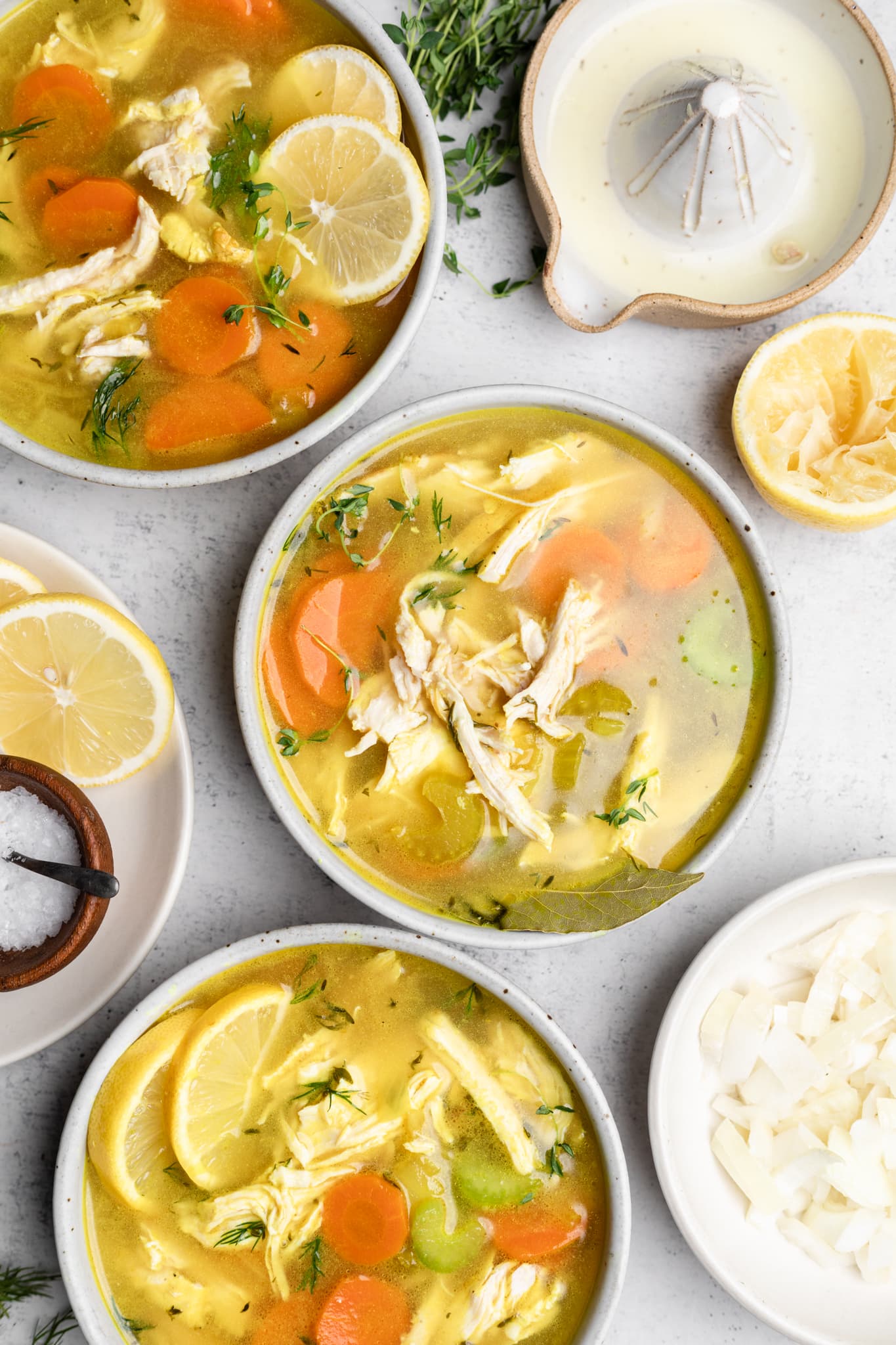
Healthy Lemon Garlic Chicken Soup
A light, nutrient-packed chicken soup infused with fresh herbs, lemon, and garlic for a refreshing and comforting meal. This recipe is a must-try for any occasion.
🥘Ingredients
- 2 boneless, skinless chicken breasts
- 1 tbsp olive oil
- 1 tsp dried thyme
- 1 tsp dried oregano
- 4 cups low-sodium chicken broth
- 1 large onion, diced
- 3 cloves garlic, minced
- 1 medium carrot, diced
- 1 medium celery stalk, diced
- 1 lemon (juiced + zest)
- 1 cup fresh spinach
- Fresh parsley, chopped
- Lemon wedges
- Black pepper
👨🍳Directions
-
1 In a pot, heat olive oil over medium heat. Season chicken breasts with thyme, oregano, and black pepper. Cook for 5-6 minutes per side until golden and cooked through. Remove and set aside.
-
2 In the same pot, add onion, garlic, carrot, and celery. Sauté for 5 minutes until softened. Pour in chicken broth and bring to a boil.
-
3 Reduce heat to low, add the cooked chicken back into the pot. Simmer for 10 minutes. Stir in lemon juice and zest, then simmer for another 5 minutes.
-
4 Strain the broth through a fine-mesh strainer to remove vegetables (optional). Return broth to the pot and add spinach. Cook for 2 minutes until wilted.
-
5 Garnish with chopped parsley, lemon wedges, and black pepper before serving.
🔧Equipment
- Large pot
- Wooden spoon
- Fine-mesh strainer
- Knife and cutting board
- Measuring cups and spoons
📊Nutrition Facts (per serving)
📝Notes
Watch Video Of How Healthy Lemon Garlic Chicken Soup Works
This chicken soup recipe is always a go-to for good reason—it’s comforting, nourishing, and simple enough to make feel like a special meal without the stress. Whether you’re pulling it together for a sick family member, a casual dinner with friends, or a cozy family gathering, it fills the house with warmth and leaves everyone satisfied. Plus, it’s flexible enough to adjust ingredients based on what you have on hand, making it perfect for quick meals or bigger gatherings.
❓ Frequently Asked Questions About Healthy Lemon Garlic Chicken Soup
1. What is the primary health benefit of drinking chicken soup during illness?
Chicken soup is known for its immune-boosting properties due to its rich content of proteins, vitamins (like vitamin B6 and selenium), and minerals (such as zinc and iron). It also contains anti-inflammatory compounds that may help reduce congestion, ease sore throats, and speed up recovery. Additionally, the warmth and hydration from the broth can help soothe the throat and keep you hydrated, which is crucial when you’re feeling unwell.
—
2. Can I substitute any ingredients in the traditional chicken soup recipe, and if so, what are some good alternatives?
Yes, you can make substitutions based on dietary preferences or availability. Here are a few common swaps: – Chicken broth can be replaced with vegetable broth for a vegan option or chicken-free version. – Chicken can be swapped with tofu, tempeh, or white fish (like cod or tilapia) for a lighter or plant-based dish. – Carrots, celery, and onions can be replaced with mushrooms, zucchini, or spinach for a different flavor profile. – Garlic and ginger can be omitted if you prefer a milder taste, but they add significant health benefits, so consider using them if possible. – Rice or noodles can be swapped with quinoa, barley, or even sweet potatoes for extra nutrients.
—
3. How long should I simmer the chicken broth for to ensure it’s flavorful and nutritious?
For a deeply flavorful and nutritious broth, simmer it for at least 45 minutes to 1 hour. If you have leftover chicken bones or meat, simmering them for 1–2 hours (or even overnight) will create a richer, more gelatinous broth. Strain the broth before using it to remove any solids, and store it in the fridge for up to 3–4 days or freeze it for longer storage.
—
4. Is there a way to make this soup healthier without sacrificing taste?
Absolutely! Here are a few ways to enhance the nutritional value without compromising flavor: – Use bone broth instead of regular chicken broth for added collagen, minerals, and a deeper umami taste. – Add fresh herbs like parsley, cilantro, or thyme for extra flavor and antioxidants. – Include whole-grain noodles or brown rice for fiber and sustained energy. – Top with avocado, cherry tomatoes, or a sprinkle of nutritional yeast for healthy fats and additional nutrients. – Reduce sodium by using low-sodium broth and adding a pinch of sea salt or herbs (like bay leaves) for seasoning. – Add turmeric or black pepper (with a pinch of black pepper to enhance curcumin absorption) for anti-inflammatory benefits.
—
5. Can I make this soup ahead of time, and how should I store it for optimal freshness?
Yes, chicken soup tastes even better the next day as flavors meld! You can prepare it 1–2 days in advance and store it in an airtight container in the fridge for up to 4 days. For longer storage, freeze it in portion-sized containers for up to 3 months. When reheating, stir well and check for ice crystals before serving. Thaw overnight in the fridge if frozen, or reheat in a pot on the stove over medium heat, stirring occasionally. Avoid reheating in the microwave directly on high power to prevent a sudden temperature spike.
