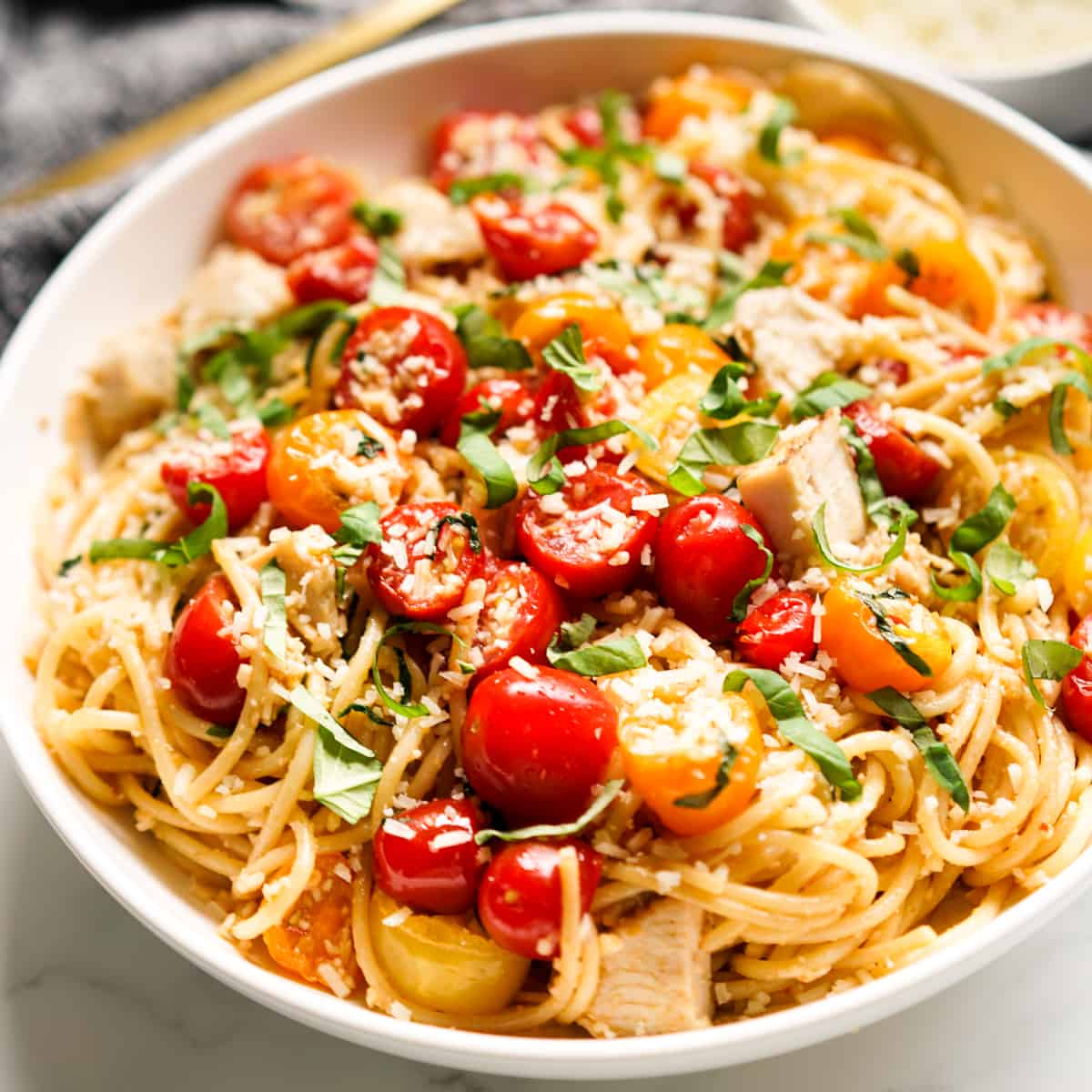
chicken seasoning recipe

The Best chicken seasoning recipe
Oh, this chicken seasoning recipe is one of those things that feels like magic in the kitchen—it’s simple enough that I don’t have to stress over complicated steps, but it turns out something so flavorful that everyone at the table just can’t get enough. I started making it years ago when my kids were little, and honestly, it became our go-to when we needed something quick but still impressive for a weeknight dinner or a weekend gathering. The way it makes the chicken taste like it’s been simmered in something rich and aromatic, with just the right kick of spices, is pure comfort food. My family—especially my kids—love it because it’s not too spicy for them, but still packs enough flavor to make them think they’re eating something fancy. It’s that kind of recipe that feels like a hug in a bowl, and honestly, I never want to go back to plain seasoning again.
What I love most about this recipe is how adaptable it is. Whether you’re cooking for a big family dinner or just feeding your household, the seasoning works just as well. It’s not heavy, so it’s good for daily meals without feeling like a chore, but it’s also hearty enough to make for special occasions—like a potluck or a holiday spread—without needing extra fuss. Plus, the spices in this seasoning are packed with good stuff. Paprika gives it a nice color and a mild smokiness, and the garlic and onion powder add depth without overpowering. It’s a balanced blend that keeps things nutritious without making you feel like you’re eating a health food. My kids have grown up eating it, and now they’re the ones who ask for it in their own meals. It’s one of those recipes that just keeps getting better over time, and honestly, I wouldn’t trade it for anything.
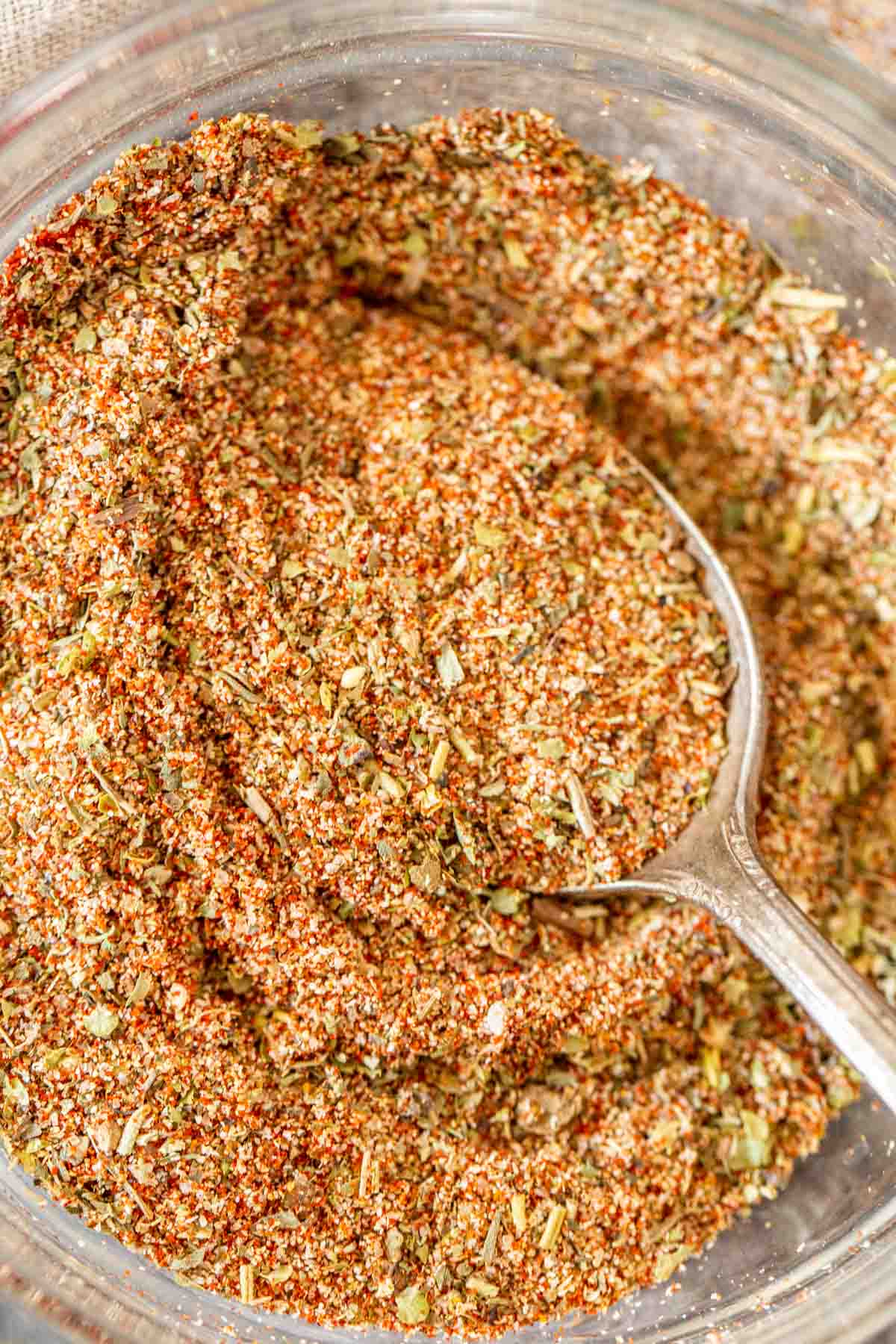
Garlic-Herb Chicken Seasoning
A flavorful blend of garlic, herbs, and spices to elevate any chicken dish, perfect for marinating, seasoning, or sprinkling on baked or grilled chicken. This recipe is a must-try for any occasion.
🥘Ingredients
- 2 tbsp dried oregano
- 2 tbsp dried thyme
- 2 tbsp garlic powder
- 1 tbsp onion powder
- 1 tbsp smoked paprika
- 1 tsp black pepper
- 1 tsp salt
- 1 tsp cayenne pepper (optional, for heat)
- 2 cloves fresh garlic, minced
- 2 tbsp fresh parsley, chopped
- 1 tbsp fresh rosemary, chopped
👨🍳Directions
-
1 In a mixing bowl, combine all the dried ingredients (oregano, thyme, garlic powder, onion powder, smoked paprika, black pepper, salt, and cayenne pepper).
-
2 For a fresh twist, mix in the minced garlic, chopped parsley, and chopped rosemary if using.
-
3 Stir well to ensure even distribution of all the spices and herbs.
🔧Equipment
- Mixing bowl
- Measuring spoons
- Knife and cutting board (if using fresh herbs)
📊Nutrition Facts (per serving)
📝Notes
Watch Video Of How Garlic-Herb Chicken Seasoning Works
This chicken seasoning recipe is always a go-to for me because it’s simple yet packed with flavor that makes every meal feel special—whether it’s a quick weeknight dinner or a crowd-pleasing dish for family gatherings. The mix of spices keeps things balanced and versatile, letting you adjust it to fit whatever you’re cooking, and it’s foolproof enough to impress without needing fancy techniques. Plus, it’s a great way to sneak in some extra herbs and spices for a little extra depth, so your family won’t even notice how good it tastes.
❓ Frequently Asked Questions About Garlic-Herb Chicken Seasoning
What is the best way to store homemade chicken seasoning to keep it fresh longer?
Homemade chicken seasoning can be stored in an airtight container in a cool, dark place like a pantry for up to 3 months. For longer storage, freeze it in small portions (like a spoonful in a freezer bag) to maintain freshness for 6–12 months. Ensure the container is completely dry before sealing to prevent moisture buildup.
Can I substitute any of the spices in the recipe, and if so, what are the best alternatives?
Yes, you can adjust spices based on taste, but here are common swaps: – Paprika → Smoked paprika (for depth) or cayenne (for heat). – Garlic powder → Fresh minced garlic or onion powder. – Onion powder → Fresh chopped onions or garlic powder (reduce slightly to avoid overpowering). – Dried oregano → Fresh oregano (use half the amount). – Salt & black pepper → Adjust to taste, but avoid overdoing it unless you prefer saltier flavor. For a Cajun-style twist, add a pinch of cayenne or a dash of thyme. For a Mexican-inspired version, swap paprika for cumin and add a pinch of cinnamon.
How do I ensure my chicken is cooked through evenly when using this seasoning?
To guarantee even cooking, follow these tips: 1. Pat the chicken dry before seasoning—this helps the seasoning adhere and ensures crispy skin. 2. Use a meat thermometer—chicken is fully cooked when it reaches 165°F (74°C) in the thickest part (breast or thigh). 3. Bake or pan-sear in batches if needed to avoid overcrowding, which can steam the meat instead of browning it. 4. Rest the chicken for 5–10 minutes after cooking before slicing to redistribute juices. 5. For larger cuts (like whole chicken or legs), roast at 325°F (165°C) until internal temp reaches 165°F, then finish under the broiler for extra flavor.
Why does my seasoned chicken taste bland, even after adding the spices?
Several factors could make your chicken taste flat: 1. Underseasoning—Taste as you go! Add salt gradually—seasoning enhances flavor, not masks it. A good rule: salt should be the first ingredient in your seasoning mix. 2. Raw chicken flavor dominance—If the meat itself is dry or undercooked, spices won’t shine. Ensure it’s cooked to 165°F (74°C). 3. Missing acidity or fat—A squeeze of lemon juice, vinegar (apple cider or white), or a drizzle of olive oil brightens flavors. For extra richness, add a tiny bit of butter or bacon fat when cooking. 4. Stale spices—Old spices lose potency. Check expiration dates and store them properly (cool, dark, airtight). 5. Cooking method issues—If you’re steaming or boiling, the seasoning won’t adhere. Try pan-searing, baking, or grilling for better flavor penetration.
How can I make this seasoning work for different types of chicken (breast, thighs, wings, or whole chicken)?
Adjust the method and technique based on the cut: – Boneless chicken breast: – Season generously (they cook fast!) and cook in a hot, dry pan (3–4 min per side) or bake at 400°F (200°C) for 20–25 min. Avoid overcrowding to prevent steaming. – Pro tip: Add a splash of brown sugar or honey to the pan for caramelization.
– Bone-in chicken thighs/drumsticks: – Crisp them up by roasting at 375°F (190°C) for 45–55 min (add 10 min per side under the broiler for browning). Thighs stay juicier than breasts. – Bonus: Add a little olive oil to the pan for extra crispiness.
– Chicken wings: – Double-bake or air-fry at 400°F (200°C) for 30–40 min, flipping halfway. For extra crispiness, toss in cornstarch before baking. – Seasoning hack: Rub with mayo or Greek yogurt before adding spices for moisture.
– Whole chicken: – Season all over, including under the skin. Roast at 325°F (165°C) for 1.5–2 hours (check internal temp at the thickest part). Add a damp paper towel inside to prevent drying. – Tip: Stuff the cavity with lemon slices or herbs for extra flavor.
For all cuts, marinate for at least 30 minutes (or overnight) to let flavors meld, especially for larger pieces.