
asian chicken soup recipe

- The Best asian chicken soup recipe
- Japanese Miso Chicken Soup (Shōyu Shio Gyū Dōfu)
- 🥘Ingredients
- 👨🍳Directions
- 🔧Equipment
- 📊Nutrition Facts (per serving)
- 📝Notes
- Watch Video Of How Japanese Miso Chicken Soup (Shōyu Shio Gyū Dōfu) Works
- ❓ Frequently Asked Questions About Japanese Miso Chicken Soup (Shōyu Shio Gyū Dōfu)
The Best asian chicken soup recipe
Oh, there’s nothing quite like a warm bowl of Asian chicken soup to pull me out of the cold, especially when the kids are stuck inside with a cold or flu. I grew up eating this kind of soup—simple, comforting, and packed with flavors that make everything feel lighter. My mom used to make it for when we were sick, and now my own kids swear by it whenever they’re under the weather. It’s that kind of soup that doesn’t just heal you—it makes you feel like you’re home, even when you’re miles away.
I love this recipe because it’s so versatile. You can make it for a quick weeknight dinner or serve it at a family gathering when everyone’s gathered around the table. The broth is rich but not heavy, and the chicken and veggies soak up the flavors beautifully. My kids ask for it every time they’re sick, and honestly, I don’t blame them—it’s the kind of meal that feels like a hug in a bowl. Plus, it’s packed with nutrients. The chicken provides lean protein, the ginger and garlic fight off inflammation, and the vegetables add fiber and vitamins. It’s comforting, healthy, and always a hit.
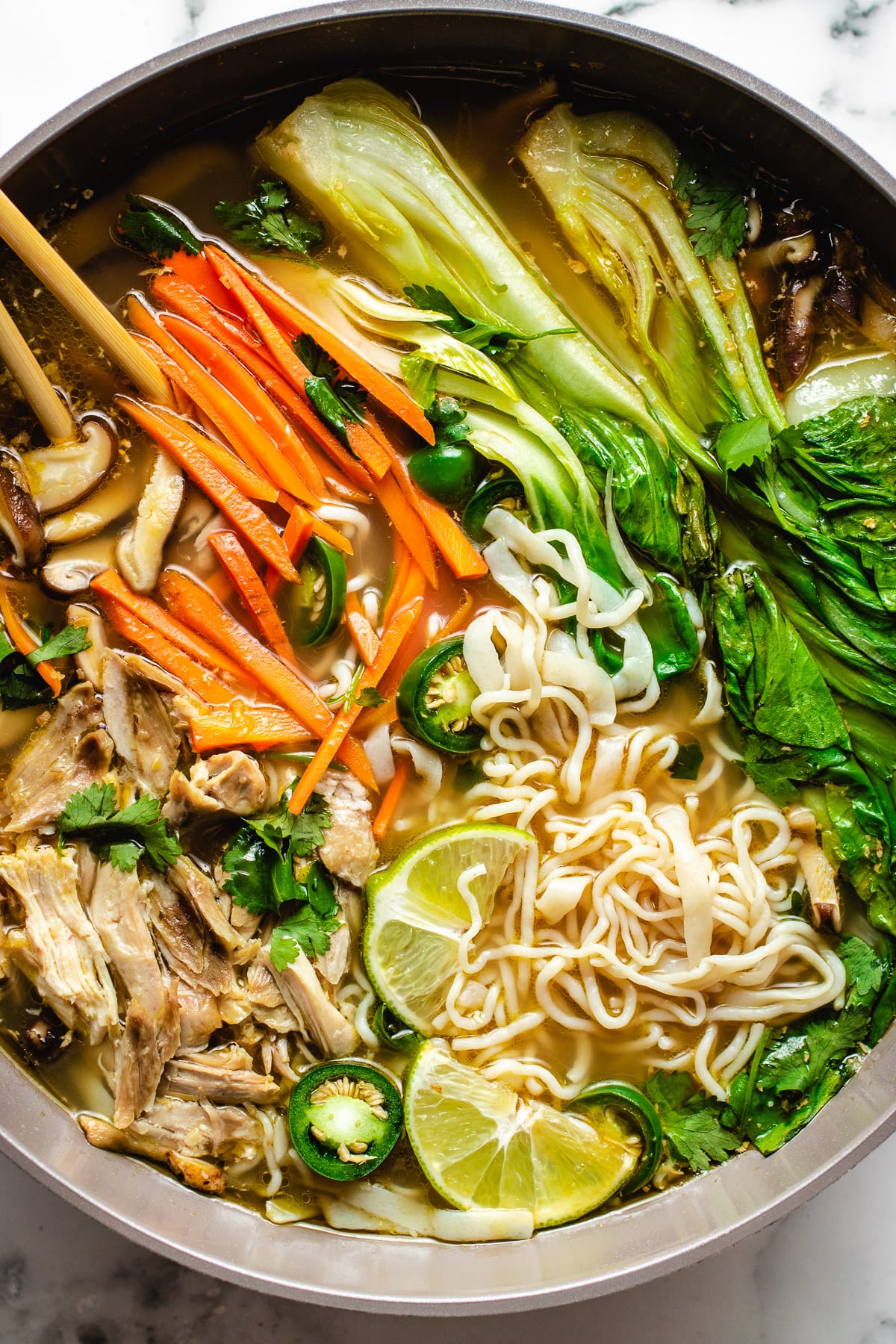
Japanese Miso Chicken Soup (Shōyu Shio Gyū Dōfu)
A comforting and flavorful Japanese miso chicken soup with tender chicken, soft tofu, and aromatic vegetables. Perfect for a cozy meal or a light winter dinner.
🥘Ingredients
- 4 cups chicken broth
- 2 tbsp white miso paste
- 1 tbsp soy sauce
- 1 tbsp mirin
- 1 tbsp sake (optional)
- 1 tsp grated ginger
- 1 clove garlic, minced
- 2 boneless, skinless chicken thighs
- 1 tbsp vegetable oil
- 1 tsp sesame oil
- 1 cup shiitake mushrooms, sliced
- 1 carrot, julienned
- 1 cup baby spinach
- 1/2 cup corn kernels (optional)
- 1 block (14 oz) extra-firm tofu, pressed and cubed
👨🍳Directions
-
1 In a large pot, combine chicken broth, miso paste, soy sauce, mirin, sake (if using), ginger, and garlic. Bring to a simmer over medium heat.
-
2 In a bowl, mix chicken thighs with vegetable oil and sesame oil. Season lightly with salt and pepper. Heat a pan over medium-high heat and cook chicken for 5–6 minutes per side until golden. Remove and set aside.
-
3 In the same pot, add mushrooms and cook for 3–4 minutes until softened. Add carrot and cook for another 2 minutes. Stir in tofu and cook for 1 minute.
-
4 Add spinach and corn (if using) to the pot. Stir gently to combine. Return chicken thighs to the pot and simmer for 5–7 minutes until chicken is cooked through.
-
5 Taste and adjust seasoning if needed. Remove from heat and let sit for 2 minutes before serving.
🔧Equipment
- Large pot
- Knife and cutting board
- Measuring cups
- Wooden spoon
- Steamer basket (optional)
📊Nutrition Facts (per serving)
📝Notes
Watch Video Of How Japanese Miso Chicken Soup (Shōyu Shio Gyū Dōfu) Works
This Asian chicken soup recipe is always a go-to for me because it’s simple yet deeply comforting—something that never fails to bring people together. Whether it’s a busy weeknight when everyone’s craving something warm and easy, or a family gathering where you want to impress without overcomplicating things, this soup delivers rich flavors and hearty comfort in just one pot. It’s the kind of dish that feels like a hug in a bowl, making it perfect for any occasion where you want to serve something nourishing and universally loved.
❓ Frequently Asked Questions About Japanese Miso Chicken Soup (Shōyu Shio Gyū Dōfu)
1. What are the key ingredients required for a traditional Asian chicken soup (like Pho or Hoisin Chicken Soup)?
To make an authentic Asian chicken soup, you’ll need: – Bone-in chicken thighs or drumsticks (for rich broth) – Aromatics (garlic, ginger, onion, star anise, cinnamon, cloves, fennel seeds) – Spices (sichuan peppercorns, black peppercorns, coriander seeds) – Broth base (beef or chicken stock, sometimes with a splash of soy sauce) – Hoisin sauce, oyster sauce, or a homemade broth base (depending on the variation) – Fresh herbs (cilantro, Thai basil, green onions) – Optional add-ins (tofu, mushrooms, bean sprouts, lime, chili)
—
2. Why does the soup taste better if you simmer the chicken broth for a long time?
Long simmering breaks down collagen and connective tissue in the bones, creating a deeply flavored, gelatinous broth that’s rich and aromatic. The longer you cook (60+ minutes), the more the spices infuse, and the more tender the chicken becomes. This is why homemade broths are far superior to instant ones.
—
3. Can I substitute chicken broth with other liquids like water or vegetable broth?
While you can use water or vegetable broth, it won’t capture the same depth of flavor. For the best results: – Use high-quality beef or chicken stock (homemade is ideal). – If using water, add extra aromatics and spices to compensate for the lack of depth. – Avoid plain water unless you’re making a very simple version (like a quick noodle soup).
—
4. How do I prevent the soup from becoming too watery or too thick?
– Balance with starches: Stir in a small amount of cornstarch slurry (1 tbsp cornstarch + 1 tbsp water) if it’s too thin, or reduce the broth slightly (simmer longer) if it’s too thick. – Adjust with broth: Add a splash of homemade stock or fish sauce (for umami) to thin it out. – Check consistency early: Taste after 30 minutes of simmering—adjust as needed. – Avoid overcooking: Boiling vigorously can make broth evaporate too quickly.
—
5. What’s the best way to prepare the chicken for maximum flavor?
– Marinate the chicken (optional but recommended): Mix with soy sauce, garlic, ginger, and a pinch of sugar for 30+ minutes before cooking. – Parboil the bones (for broth): Simmer bones separately for 20 minutes to remove impurities before adding aromatics. – Use bone-in cuts: Thighs and drumsticks release more collagen and fat, making the broth richer. – Don’t overcrowd: Cook chicken in batches if needed to ensure even cooking and flavor infusion.
