
authentic chicken pho recipe

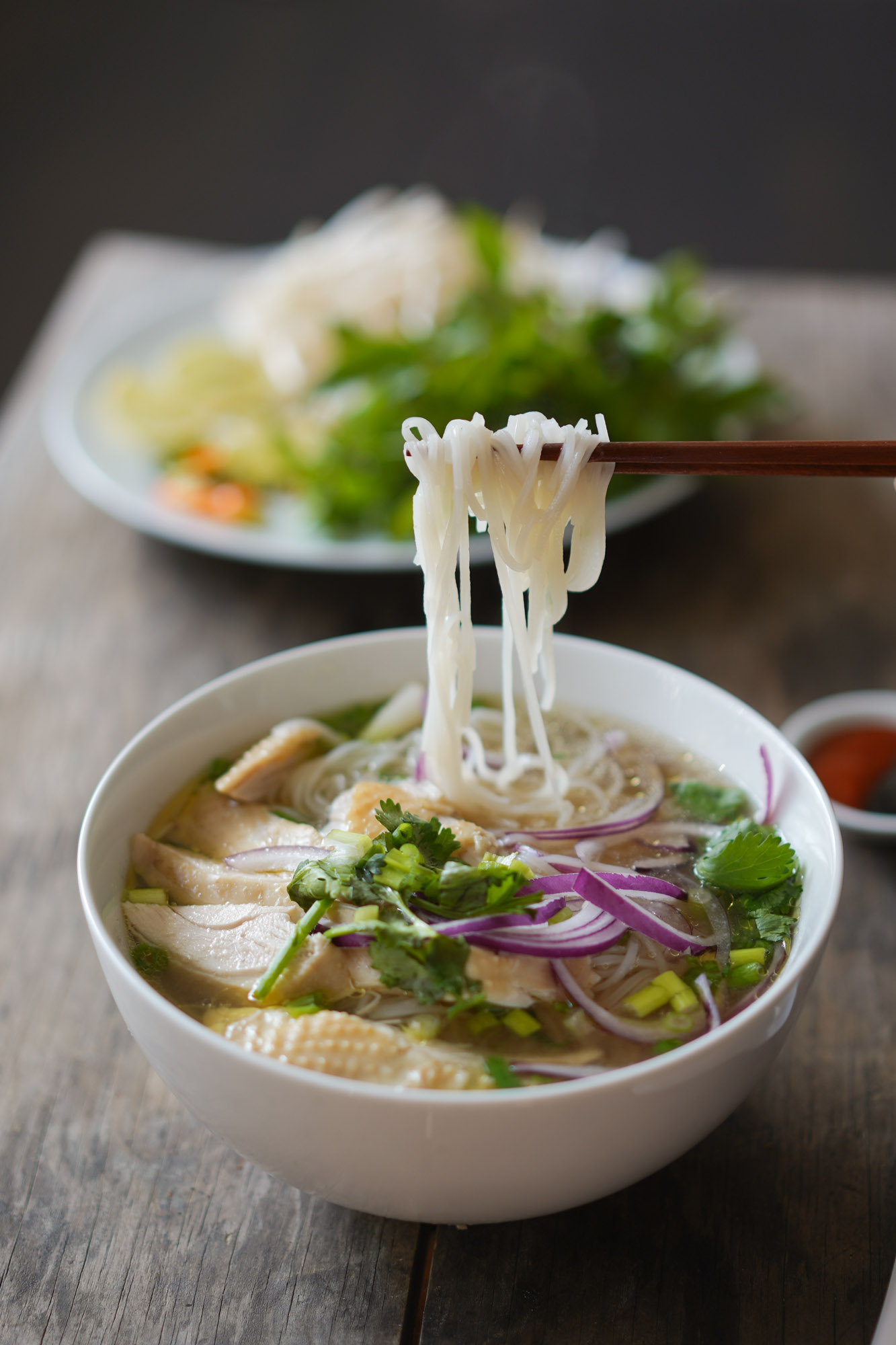
The Best authentic chicken pho recipe
I’ve been making chicken pho since I was in my twenties, long before I ever thought of sharing it online, and it’s one of those simple dishes that feels like a hug in a bowl. There’s something about the deep, aromatic broth that makes it feel like home—rich and comforting, but also light enough to eat all day. My kids, who’ve never been big fans of spicy foods, have grown to love it, especially when I serve it with a side of rice noodles and fresh herbs. It’s the kind of meal that feels special on a weeknight because it’s so easy to make, but also the kind of meal that feels like a celebration when you’re hosting guests. The way the tender chicken melts into the broth, the way the cinnamon sticks and star anise release their warmth, it’s a dish that’s both nourishing and celebratory.
I love that pho isn’t just a meal—it’s a health boost disguised as indulgence. The broth is packed with collagen from the bones, which helps with skin and joints, and the herbs and spices add antioxidants that keep things fresh. It’s got protein from the chicken, fiber from the rice noodles, and vitamins from the vegetables and lime. My husband says it’s the only meal he ever feels satisfied eating, and honestly, I agree. It’s the kind of dish that’s perfect for a family dinner because everyone can adjust the spice to their taste, and it’s so customizable you can add whatever you have on hand—maybe some extra garlic or a splash of fish sauce for extra depth. Whether it’s a quiet Sunday afternoon or a gathering with friends, pho always feels like the right choice. My kids will eat it straight from the pot, and I’ll have a bowl myself, knowing I’m feeding them something that’s both delicious and good for them.
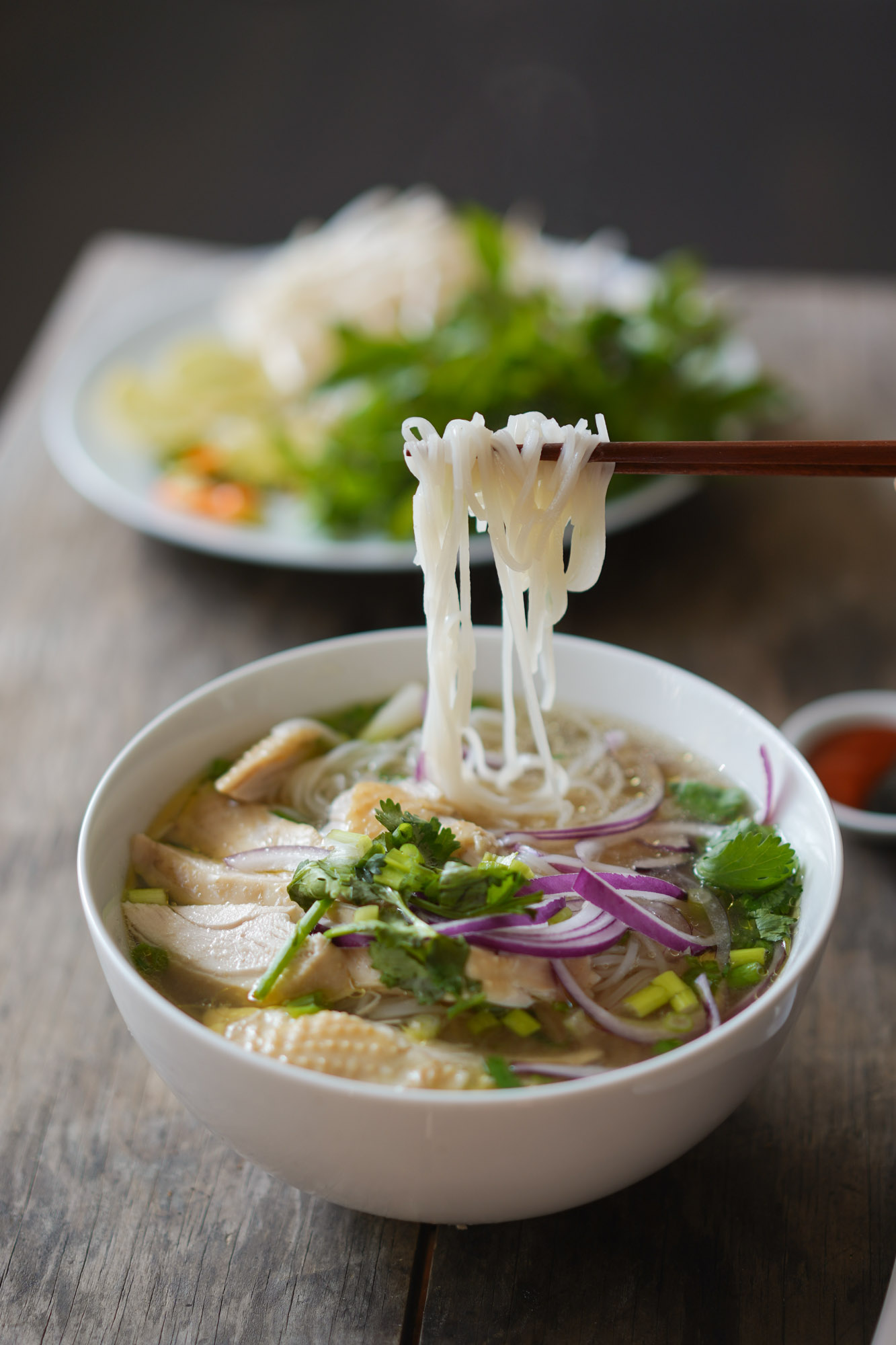
Authentic Vietnamese Chicken Pho
A fragrant, savory bowl of Vietnamese noodle soup featuring tender chicken, aromatic broth, and fresh herbs. Perfect for a comforting meal.
🥘Ingredients
- 4 lbs chicken bones (necks, backs, or thighs)
- 4 lbs beef bones (marrow or shank)
- 1 large onion, quartered
- 10 star anise pods
- 4 cinnamon sticks
- 4 cloves
- 1 tbsp coriander seeds
- 1 tbsp fennel seeds
- 1 tbsp black peppercorns
- 1 tbsp salt
- 1 cup fish sauce
- 2 tbsp sugar
- 1 tbsp soy sauce
- 1 tbsp vinegar
- 1 tbsp astragalus root (optional)
- 4 boneless, skinless chicken thighs
- 1 tbsp fish sauce
- 1 tbsp soy sauce
- 1 tbsp sugar
- 1 tbsp rice vinegar
- 1 tsp black pepper
- 1 tsp salt
- 8 oz rice noodles (pho noodles)
- Fresh cilantro
- Thai basil leaves
- Green onions
- Lime wedges
- Crushed peanuts
- Thinly sliced jalapeños (optional)
- Chopped bean sprouts
- Thinly sliced cucumber
👨🍳Directions
-
1 Prepare the bones: Rinse chicken and beef bones thoroughly. Remove any visible fat or debris.
-
2 Simmer the broth: In a large pot, combine bones, onion, star anise, cinnamon sticks, cloves, coriander seeds, fennel seeds, black peppercorns, and salt. Cover with water (about 6-8 quarts) and bring to a boil. Reduce heat to low, cover, and simmer for 3-4 hours, skimming off any foam that rises to the surface.
-
3 Blend the broth (optional): Remove the bones and spices from the broth. Blend the broth with fish sauce, sugar, soy sauce, and vinegar until smooth. Return the blended mixture to the pot and simmer for another 15-20 minutes. Strain the broth through a fine-mesh strainer to remove any remaining solids.
-
4 Prepare the chicken: In a bowl, mix chicken thighs with fish sauce, soy sauce, sugar, rice vinegar, black pepper, and salt. Marinate for at least 15 minutes, or up to 2 hours.
-
5 Cook the chicken: In a separate pot, cook the marinated chicken thighs in a little of the broth for 5-7 minutes until fully cooked. Remove chicken and set aside.
-
6 Cook the noodles: Boil rice noodles according to package instructions (usually 8-10 minutes in boiling water). Drain and rinse with cold water to stop cooking.
-
7 Assemble the pho: Ladle hot broth into bowls. Place a few noodles in each bowl. Top with sliced chicken, fresh herbs, green onions, lime wedges, crushed peanuts, jalapeños (if using), bean sprouts, and cucumber slices.
🔧Equipment
- Large pot or stockpot
- Slotted spoon
- Fine-mesh strainer
- Wooden spoon
- Knife and cutting board
- Measuring spoons
- Blender (optional, for quick broth)
📊Nutrition Facts (per serving)
📝Notes
Watch Video Of How Authentic Vietnamese Chicken Pho Works
This authentic chicken pho recipe is a perfect go-to for any gathering because it’s hearty, comforting, and always draws people together—whether you’re serving it after a long day or as the centerpiece of a meal. The rich, fragrant broth and tender chicken make it feel special, but the real magic is in its simplicity: it’s easy to scale up for a crowd without losing its soul, and the flavors deepen as they sit, letting everyone customize their bowl just the way they like it. It’s the kind of dish that feels like home, no matter who’s eating it.
❓ Frequently Asked Questions About Vietnamese Chicken Pho
1. What is the secret to making a rich, aromatic broth for authentic Vietnamese chicken pho?
The key lies in slow-simmering bones (preferably from the leg, thigh, or neck) with a blend of spices—star anise, cinnamon, cardamom, cloves, and fennel—along with ginger, garlic, and lemongrass. Use a light touch with salt and avoid over-seasoning early. For extra depth, add a splash of apple cider vinegar at the end. A perfect pho broth should be clear, fragrant, and slightly syrupy.
2. Why is rice vinegar essential in authentic pho, and how much should I use?
Rice vinegar balances the sweetness and richness of the broth, adding a bright, tangy contrast. Use 1–2 tablespoons per liter of broth, adjusting to taste. It also enhances the umami notes from the spices. Never skip it—it’s a defining flavor in Vietnamese pho.
3. How do I choose the best cuts of chicken for pho, and how do thinly slice it?
Opt for bone-in, skinless chicken thighs or drumsticks (they’re tender and flavorful). For thin slices, use a sharp knife and cut against the grain into 1/4-inch strips. Avoid pre-cooked or processed chicken—fresh, raw is non-negotiable for authentic texture.
4. What’s the difference between pho and pho bo (beef pho), and why does beef pho taste so different?
Pho bo uses beef marrow bones, brisket, or rib bones, which render fat and collagen into a thicker, more gelatinous broth. The meat is also tougher (cut into larger chunks), requiring longer simmering. Beef pho benefits from more salt and a deeper caramelization of spices, while chicken pho relies on lighter, aromatic infusion. The fat content and meat texture are the core differences.
5. How do I properly prepare the noodles for pho, and why can’t they be pre-cooked?
Use short, thick rice noodles (phở noodles)—soak them in warm water for 10–15 minutes until pliable but still firm. Never boil them in advance; they’ll turn mushy. The key is gentle rehydration to restore their chewy texture. Over-soaking or overcooking ruins the dish’s signature bite.
