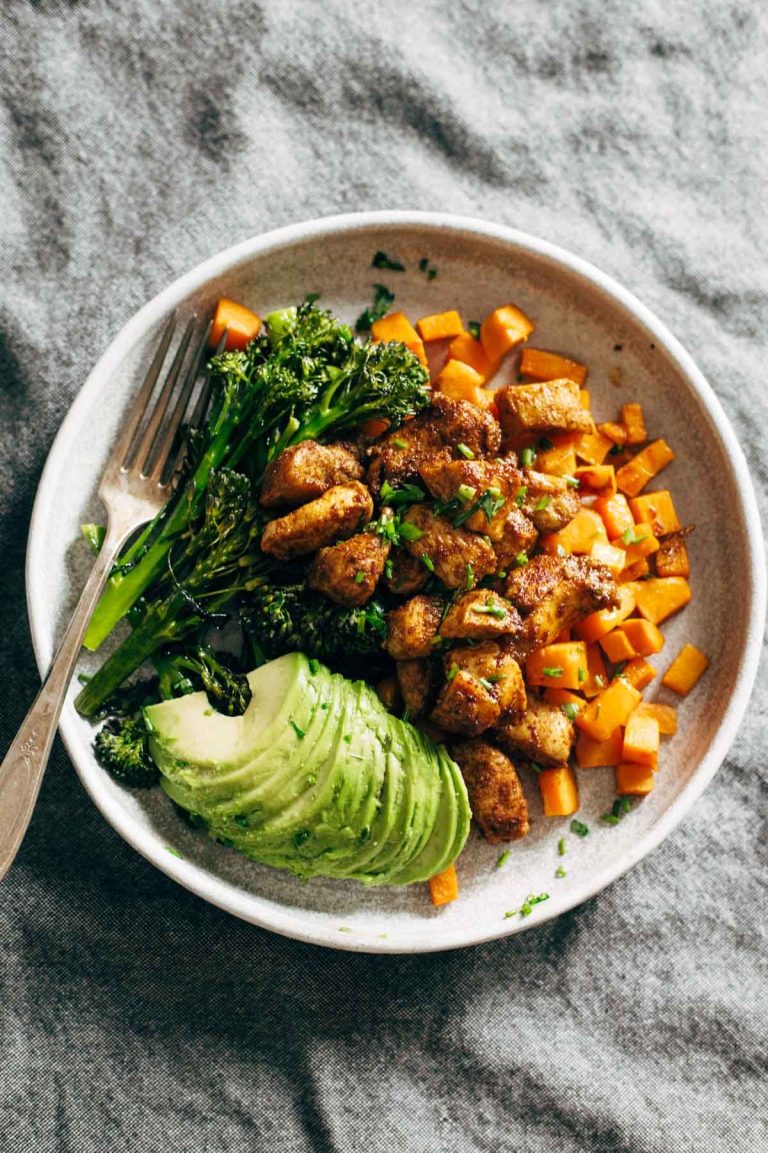
balsamic chicken breast recipe

The Best balsamic chicken breast recipe
I’ve been making this Balsamic Chicken Breast recipe for years, and it’s one of those dishes that feels like a quiet victory in the kitchen. Chicken breast can sometimes be dry or bland, but when you marinate it in a mix of balsamic vinegar, olive oil, garlic, and a touch of honey, it becomes something entirely different—tender, flavorful, and packed with depth. My kids actually beg for it because it’s not just tasty, it’s the kind of meal that doesn’t feel like a chore. They’ll eat it straight off the plate, and honestly, I don’t even have to remind them to finish their veggies because the chicken is so good they won’t stop talking about it.
This dish is also perfect for special occasions or just a regular night when you want something that feels special without the fuss. It’s lean but still satisfying, and the balsamic glaze adds a sweet-tangy richness that makes every bite feel indulgent. My husband loves it because it’s easy to prep ahead—marinate the chicken overnight, and it’s ready to cook when you are. Plus, the leftovers stay fresh in the fridge for a few days, so you can make it once and have it for multiple meals. It’s that kind of recipe that makes you feel like you’re doing something good for your family without overcomplicating things. And the health benefits? Well, chicken breast is a great source of lean protein, and the balsamic vinegar adds antioxidants that help with digestion. It’s not just food; it’s a little treat for your body.
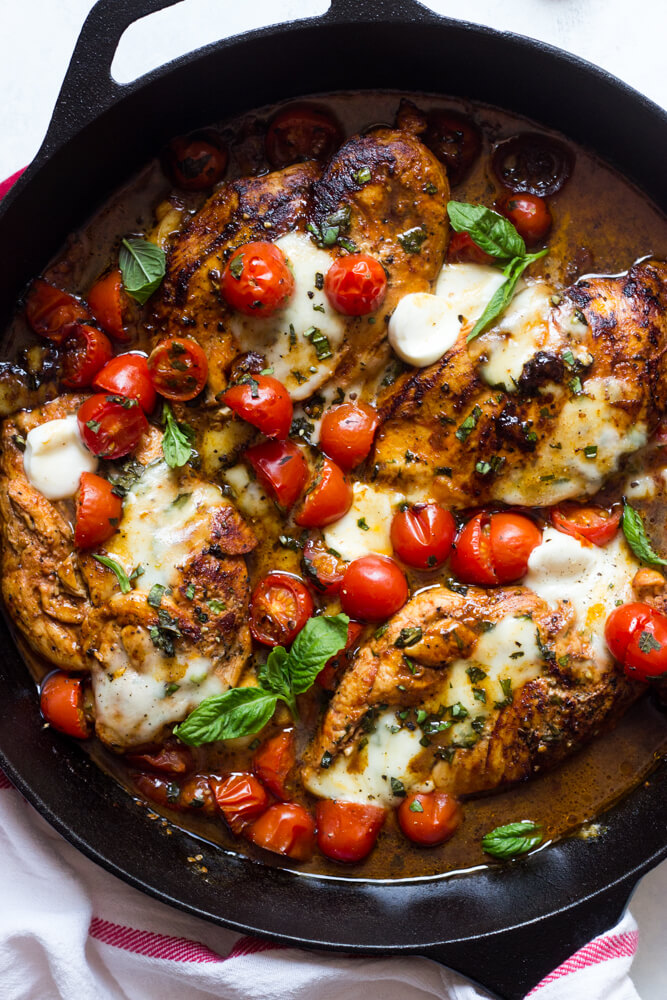
Balsamic Glazed Chicken Breast
Tender chicken breasts glazed with a rich, tangy balsamic reduction for a flavorful and elegant dish. This recipe is a must-try for any occasion.
🥘Ingredients
- 4 boneless, skinless chicken breasts
- 2 tbsp olive oil
- 1 tsp salt
- 1 tsp black pepper
- 1 tsp garlic powder
- ½ cup balsamic vinegar
- ¼ cup honey
- 2 tbsp brown sugar
- 1 tbsp Dijon mustard
- 1 tsp dried thyme
- 1 tsp dried rosemary
- 1 clove garlic, minced
- Fresh parsley, chopped
- Extra balsamic glaze for drizzling
👨🍳Directions
-
1 Preheat oven to 375°F (190°C). Line a baking sheet with parchment paper.
-
2 Pat chicken breasts dry with paper towels. Season both sides with salt, pepper, and garlic powder.
-
3 Heat olive oil in a skillet over medium-high heat. Cook chicken breasts for 5-6 minutes per side until golden and cooked through (internal temperature should reach 165°F/74°C). Transfer to the prepared baking sheet.
-
4 In a small saucepan, combine balsamic vinegar, honey, brown sugar, Dijon mustard, thyme, rosemary, and minced garlic. Simmer over medium heat for 10-12 minutes until reduced by half and thickened.
-
5 Pour the balsamic glaze over the chicken breasts. Cover with foil and bake for 10 minutes.
-
6 Remove foil and bake for another 5-7 minutes until the glaze is glossy and caramelized. Garnish with chopped parsley and extra glaze if desired.
🔧Equipment
- Mixing bowl
- Cutting board
- Knife
- Oven-safe baking dish or skillet
- Aluminum foil
- Mixing spoon
📊Nutrition Facts (per serving)
📝Notes
Watch Video Of How Balsamic Glazed Chicken Breast Works
This balsamic chicken breast recipe is always a crowd-pleaser because it’s simple yet impressive, making it perfect for any casual family gathering or quick meal prep. The sweet-tangy glaze adds a delicious depth that elevates the chicken without needing fancy techniques, so it’s foolproof whether you’re feeding kids or hosting guests. Plus, the flavors stay bright and fresh, so it works just as well for weeknight dinners as it does for a Sunday brunch spread.
❓ Frequently Asked Questions About Balsamic Glazed Chicken Breast
What is the best way to prepare the chicken breast for the balsamic reduction?
To prepare the chicken breast for the balsamic reduction, start by patting the chicken breast dry with paper towels to remove excess moisture. This helps the chicken cook evenly and prevents steaming. Then, season both sides generously with salt and pepper. You can also use other spices like garlic powder, paprika, or Italian seasoning for added flavor. Cut the chicken breast into bite-sized pieces if you prefer a more even cooking process.
How long should I simmer the chicken in the balsamic reduction?
Simmer the chicken in the balsamic reduction for approximately 10-12 minutes, or until the chicken reaches an internal temperature of 165°F (74°C). Stir occasionally to ensure even cooking and prevent sticking. The balsamic sauce will thicken and caramelize slightly as it cooks, adding rich flavor to the chicken.
Can I substitute any ingredients in the recipe?
While the original recipe calls for specific ingredients, you can make a few substitutions if needed. For example: – Balsamic vinegar: Use high-quality red wine vinegar or apple cider vinegar for a similar tangy flavor. – Chicken breast: You can substitute with chicken thighs or drumsticks, which are more forgiving and flavorful. – Garlic: If unavailable, use onion powder or minced fresh garlic as a substitute. – Extra herbs: Add fresh basil, rosemary, or thyme to enhance the flavor profile.
Why does my balsamic chicken breast turn out rubbery?
A rubbery texture in chicken breast often results from overcooking or not using the right technique. Here’s how to avoid it: – Cook to the right temperature: Ensure the chicken reaches an internal temperature of 165°F (74°C) without overcooking. Remove it from the heat just before it reaches this temperature. – Rest the chicken: Let the chicken rest for 5-10 minutes after cooking to redistribute the juices evenly. – Use a meat thermometer: A reliable thermometer is the best way to check doneness accurately. – Don’t overcrowd the pan: Cooking chicken in batches ensures even cooking and prevents steaming, which can make the meat rubbery.
How can I store and reheat the balsamic chicken breast for later use?
– Storage: – Room temperature: Keep the chicken covered in the fridge for up to 2 days. – Fridge: Store in an airtight container for up to 3-4 days. Refrigerate at 40°F (4°C) or below. – Freezer: Freeze for up to 2 months. Place the chicken in a freezer-safe container or bag, removing any excess liquid before freezing.
– Reheating: – Microwave: Place the chicken in a microwave-safe dish with a splash of water or a little balsamic sauce. Cover loosely and heat on medium power for 1-2 minutes, stirring halfway through. – Oven: Preheat to 350°F (175°C). Place the chicken on a baking sheet and heat for 10-15 minutes, adding a little water or sauce to prevent drying out. – Stovetop: Warm the chicken in a saucepan over low heat, stirring occasionally, until heated through (about 5-7 minutes). Add a splash of water or balsamic if needed.