
cast iron chicken breast recipe

- The Best cast iron chicken breast recipe
- Crispy Cast Iron Chicken Breast with Garlic Butter Sauce
- 🥘Ingredients
- 👨🍳Directions
- 🔧Equipment
- 📊Nutrition Facts (per serving)
- 📝Notes
- Watch Video Of How Crispy Cast Iron Chicken Breast with Garlic Butter Sauce Works
- ❓ Frequently Asked Questions About Crispy Cast Iron Chicken Breast with Garlic Butter Sauce
The Best cast iron chicken breast recipe
I’ve been making cast iron chicken breast this way for years, and I’ll tell you why—it’s simple, but it tastes like something special. There’s something about searing that thick-cut chicken in a hot cast iron skillet that makes it crispy on the outside and juicy inside, and it’s the kind of dish that feels like a little treat even though it’s actually pretty healthy. My kids eat it straight from the pan sometimes, and honestly, they don’t even notice it’s not fried—just flavorful and satisfying. It’s that kind of recipe that works for a quick weeknight dinner or a meal you want to impress at a family gathering. Plus, chicken breast is lean, packed with protein, and helps keep everyone full without feeling heavy. It’s not just a meal, it’s a balance—good for the body and easy for the kitchen.
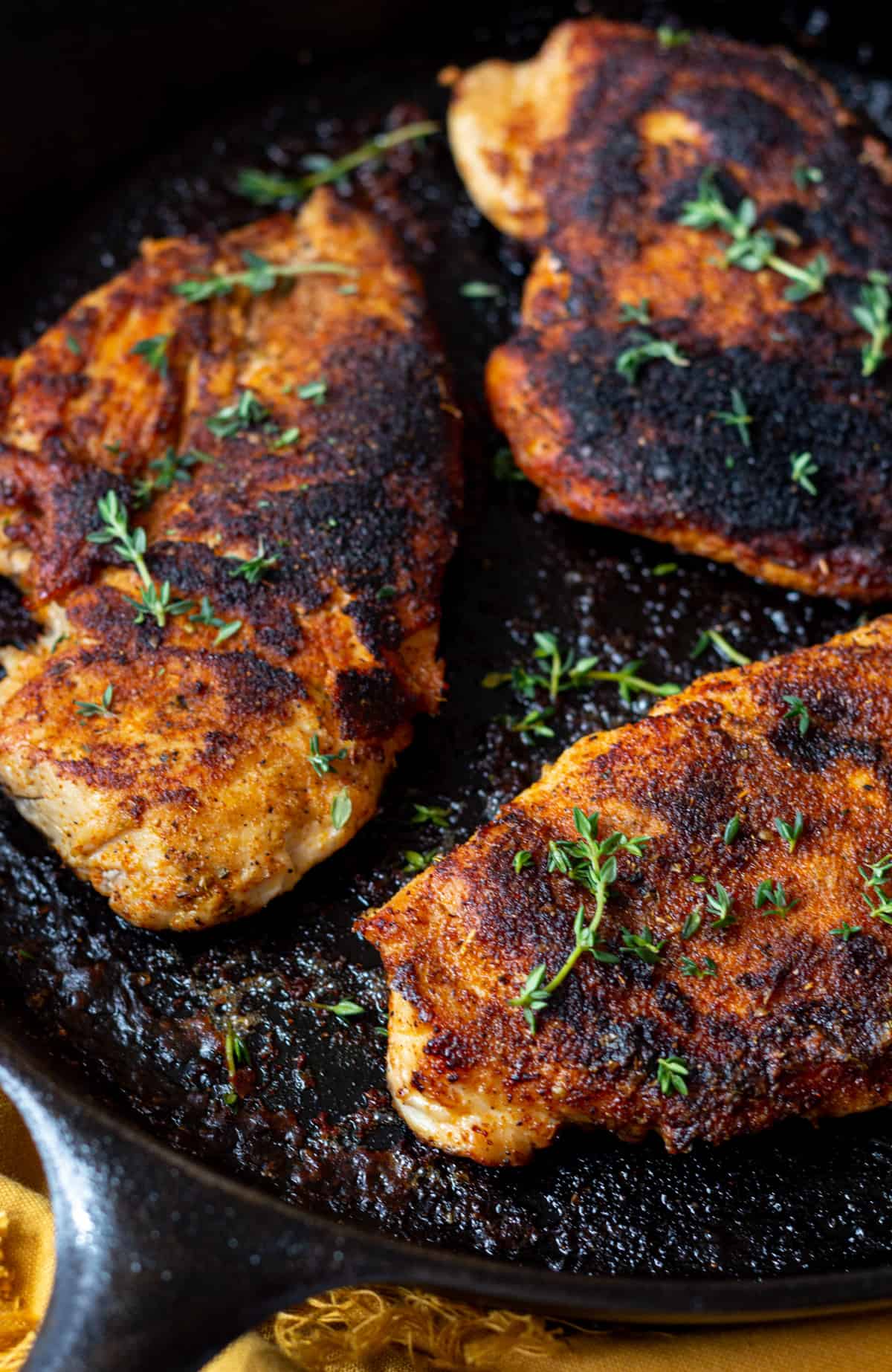
Crispy Cast Iron Chicken Breast with Garlic Butter Sauce
A perfectly seasoned and crispy chicken breast cooked in a cast iron skillet, paired with a rich garlic butter tomato sauce for a flavorful and satisfying meal. This recipe is a must-try for any occasion.
🥘Ingredients
- 4 boneless, skinless chicken breasts (6 oz each)
- 2 tbsp olive oil
- 2 tbsp cornstarch
- 1 tbsp smoked paprika
- 1 tsp garlic powder
- 1 tsp onion powder
- ½ tsp salt
- ½ tsp black pepper
- 3 tbsp unsalted butter
- 4 cloves garlic, minced
- 1 cup chicken broth
- ½ cup heavy cream (or half-and-half)
- 1 tbsp lemon juice
- 1 tsp dried thyme
- Salt and black pepper to taste
👨🍳Directions
-
1 Preheat oven to 400°F (200°C) if baking, or heat a cast iron skillet over medium-high heat. Pat chicken breasts dry with paper towels.
-
2 In a shallow bowl, mix olive oil, cornstarch, smoked paprika, garlic powder, onion powder, salt, and black pepper. Coat each chicken breast evenly with the mixture.
-
3 Place chicken breasts in the skillet (or on a baking sheet if baking). For pan-searing, cook for 5-6 minutes per side until golden brown and internal temperature reaches 165°F (74°C). For baking, place on a baking sheet and bake for 20-25 minutes, flipping halfway.
-
4 While chicken cooks, melt butter in the same skillet (or a separate one) over medium heat. Add minced garlic and cook for 30 seconds until fragrant. Pour in chicken broth, heavy cream, and lemon juice. Simmer for 3-4 minutes until slightly thickened. Season with thyme, salt, and pepper.
-
5 Remove chicken from the skillet (or oven) and let rest for 5 minutes. Spoon the garlic butter sauce over the chicken breasts before serving.
🔧Equipment
- Cast iron skillet
- Mixing bowls
- Knife and cutting board
- Measuring spoons
- Wooden spoon
- Oven (optional, for baking)
📊Nutrition Facts (per serving)
📝Notes
Watch Video Of How Crispy Cast Iron Chicken Breast with Garlic Butter Sauce Works
This cast iron chicken breast recipe is always a reliable crowd-pleaser because it’s simple yet packed with flavor, making it perfect for busy weeknights or when you need a hearty dish for family gatherings. The tender, juicy meat stays moist and delicious, and the crispy skin adds that satisfying crunch without extra fuss—ideal for anyone who wants a comforting, no-stress meal that still feels special. It’s the kind of recipe that works in a pinch but still feels like a real effortless centerpiece for the table.
❓ Frequently Asked Questions About Crispy Cast Iron Chicken Breast with Garlic Butter Sauce
What is the best way to season cast iron skillet for cooking chicken breast?
To prepare your cast iron skillet for cooking chicken breast, start by heating it over medium-high heat for about 5 minutes until it’s very hot. Then, add a thin layer of high-smoke-point oil (like avocado, grapeseed, or vegetable oil) and let it absorb into the pan. You can also use a small amount of melted butter or a high-quality cooking spray for extra flavor. Avoid overloading the pan with oil to prevent excess smoke.
—
Why does my cast iron chicken breast turn out dry or rubbery?
A dry or rubbery chicken breast in cast iron is often due to overcooking, insufficient moisture, or not using the right technique. To prevent this: 1. Cook until internal temp reaches 165°F (74°C)—pull it off the heat immediately to avoid overcooking. 2. Use a light coating of oil—this helps create a crispy exterior while keeping the inside juicy. 3. Let it rest for 5–10 minutes before slicing to redistribute juices. 4. Consider reverse searing—bake the chicken at 325°F (163°C) first until near done, then sear in the cast iron for a crispy crust. 5. Avoid overcrowding the pan—cook in batches if needed to ensure even cooking.
—
Can I use butter instead of oil for cooking chicken breast in a cast iron skillet?
Yes, butter can be used—but it’s best for flavor rather than pure non-stick performance. For best results: – Use unsalted butter (salted butter can make the chicken soggy). – Melt it in the hot skillet and let it foam slightly before adding the chicken. – Use a light pat (about 1–2 tbsp total) to avoid excess moisture. – For extra crispiness, finish with a pat of butter after cooking and let it melt slightly for a glossy finish.
—
How do I prevent the chicken breast from sticking to the cast iron?
Sticking is usually caused by insufficient heat, excess oil, or not letting the pan preheat properly. To avoid it: 1. Preheat the pan aggressively—heat it to medium-high for 5–10 minutes before adding oil or chicken. 2. Use the right oil—avoid low-smoke-point oils like butter or olive oil in high heat; stick to avocado, grapeseed, or vegetable oil. 3. Don’t overcrowd the pan—cook in small batches if needed to maintain high heat. 4. Pat the chicken dry—excess moisture causes sticking; dry the breasts thoroughly before seasoning. 5. Season generously with salt—this helps create a barrier against sticking (use kosher salt for better distribution). 6. Flip once—if the chicken starts sticking, flip it immediately to avoid burning.
—
Why does my cast iron chicken breast get a tough texture after cooking?
A tough texture in chicken breast often comes from overcooking, drying out, or not using the right technique. To fix it: – Cook to the right temperature—chicken is done at 165°F (74°C) internally; pull it off heat immediately. – Use a tenderizing method—marinate in a mix of olive oil, lemon juice, and spices (like garlic, herbs, or soy sauce) for at least 30 minutes before cooking. – Avoid overcooking—chicken breast can dry out quickly; use a meat thermometer to check doneness. – Consider a wet pan method—add a splash of water or broth to the skillet while cooking to keep it moist. – Rest before slicing—letting it rest for 5–10 minutes helps redistribute juices. – Choose the right cut—bone-in chicken thighs or drumsticks stay juicier than boneless breasts.
—
