
chicken and brown rice recipe

The Best chicken and brown rice recipe
Chicken and brown rice has been a staple in my kitchen for years, not just because it’s simple to make but because it’s something my whole family actually enjoys. I love how it balances flavor and nutrition without feeling like a chore—it’s that kind of dish that makes me want to cook for real people, not just for myself. My kids will eat it straight from the pan, and my husband always asks if it’s ready before I even finish stirring. It’s the kind of meal that feels comforting yet fresh, like a warm hug on a plate. And honestly? It’s perfect for any occasion—whether you’re feeding a big family for a holiday dinner or just making a quick, healthy lunch for the week.
What I love most about this recipe is how it’s packed with good stuff. Brown rice is loaded with fiber and keeps you full longer than white rice, and the chicken is lean but still packed with protein. It’s not some fancy, complicated meal—just good, wholesome food that doesn’t require a lot of effort. My kids swear by it because it’s not too salty or greasy, and it’s something they can actually look forward to eating. Plus, it’s flexible—you can tweak the seasonings or add veggies if you want, but the basics always work. It’s that kind of recipe that makes me feel good about feeding my family, knowing they’re getting something real and nourishing without all the fuss. And honestly? It’s one of those meals that doesn’t take forever, so it’s easy to whip up when life gets busy.
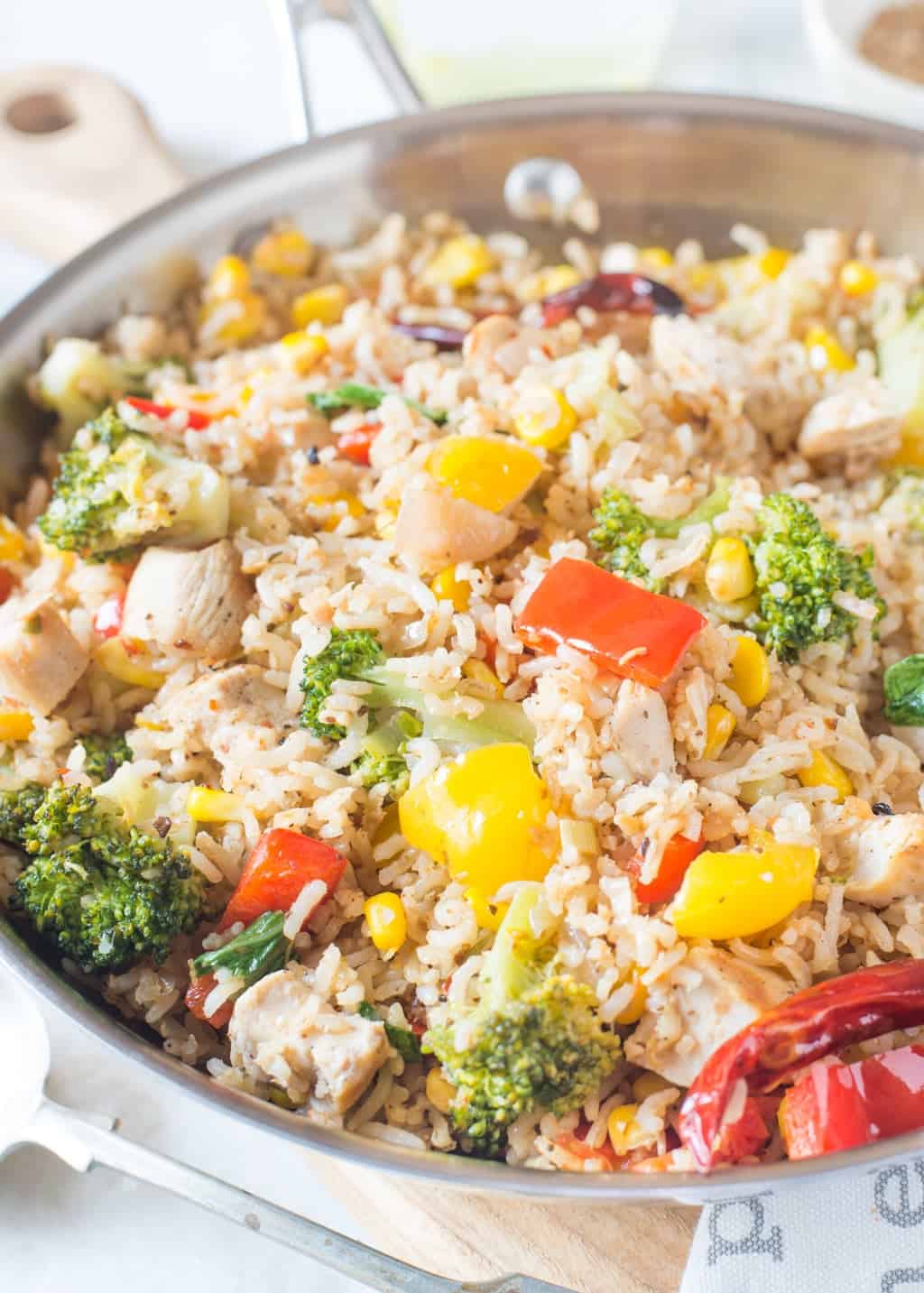
Garlic Butter Chicken with Brown Rice
A flavorful dish featuring tender chicken thighs marinated in garlic and herbs, served with fluffy brown rice and a light tomato-based sauce. This recipe is a must-try for any occasion.
🥘Ingredients
- 4 boneless, skinless chicken thighs
- 3 tbsp butter
- 3 cloves garlic, minced
- 1 tbsp fresh parsley, chopped
- 1 tsp dried thyme
- 1 tsp paprika
- Salt and pepper to taste
- 1 cup brown rice
- 2 cups chicken broth
- 1 tbsp olive oil
- ½ tsp turmeric
- Salt to taste
- 1 cup tomato sauce
- 1 tbsp olive oil
- ½ tsp red pepper flakes (optional)
- 1 tbsp fresh basil, chopped
👨🍳Directions
-
1 In a bowl, mix chicken thighs with 2 tbsp butter, minced garlic, parsley, thyme, paprika, salt, and pepper. Marinate for at least 15 minutes.
-
2 In a saucepan, bring chicken broth and turmeric to a boil. Reduce heat, cover, and simmer for 15 minutes. Fluff rice with a fork and set aside.
-
3 Heat olive oil in a skillet over medium-high heat. Cook chicken thighs for 5-6 minutes per side until golden and cooked through. Remove and set aside.
-
4 In the same skillet, add tomato sauce and red pepper flakes. Simmer for 3-4 minutes. Stir in chopped basil.
-
5 Spoon the tomato sauce over the brown rice. Place chicken thighs on top and serve.
🔧Equipment
- Large skillet
- Medium saucepan
- Mixing bowls
- Wooden spoon
- Knife and cutting board
📊Nutrition Facts (per serving)
📝Notes
Watch Video Of How Garlic Butter Chicken with Brown Rice Works
This chicken and brown rice recipe is always a solid choice for family gatherings because it’s hearty, flavorful, and easy to scale up for a crowd. The tender chicken and nutty brown rice make it filling enough to satisfy everyone without being overly heavy, while the simple marinade keeps it quick and stress-free. It’s the kind of dish that feels special without needing extra fuss—just a few steps and it’s ready to serve, making it perfect for busy weeknights or casual holidays when you want something comforting and satisfying for the whole table.
❓ Frequently Asked Questions About Garlic Butter Chicken with Brown Rice
1. What is the ideal cooking time for brown rice when preparing it alongside chicken?
When cooking brown rice, it typically takes 40–45 minutes for it to be fully cooked (soaked or unsoaked). For a 1:2 rice-to-water ratio, bring water to a boil, add rice, reduce heat to low, cover, and simmer for 30–35 minutes. If using a rice cooker, set it to the brown rice mode and follow the recommended time (usually 40–50 minutes). For extra tenderness, rinse rice before cooking to remove excess starch.
—
2. Can I substitute white rice for brown rice in this recipe, and if so, what adjustments should I make?
Yes, you can substitute white rice, but it will cook faster—reduce the cooking time by about 10–15 minutes (typically 20–25 minutes for white rice). White rice also absorbs liquid more quickly, so you may need to add a splash of water or broth to prevent drying out. If using a rice cooker, simply select the “white rice” setting.
—
3. How do I ensure the chicken is cooked evenly without overcooking it?
For even cooking, start with bone-in chicken thighs or breasts (seasoned with salt, pepper, and herbs like garlic, paprika, or ginger). Cook on medium-high heat for 15–18 minutes (thighs) or 12–15 minutes (breasts), turning occasionally. For chicken breasts, avoid overcrowding the pan to prevent steaming. If using ground chicken, cook on medium heat until no longer pink inside (~6–7 minutes). Always check internal temp with a meat thermometer (165°F/74°C).
—
4. What spices or seasonings work best with chicken and brown rice, and can I customize them?
Classic pairings include: – Garlic, ginger, and soy sauce (for umami depth) – Turmeric, cumin, and coriander (for warm, earthy flavors) – Lemon zest + olive oil (bright and fresh) – Curry powder or garam masala (for a spiced twist) – Sriracha or chili flakes (for heat) For brown rice, lightly toast grains in a dry pan before cooking for nuttier flavor. Customize based on preference—try Asian-inspired (ginger, sesame, scallions) or Mediterranean (olive oil, rosemary, feta).
—
5. How should I store leftovers to maintain freshness and flavor?
Store cooked chicken and brown rice in an airtight container in the fridge for 3–4 days. To reheat: – Microwave: Cover with a damp paper towel, microwave on high for 1–2 minutes, stirring halfway. – Stovetop: Warm in a pan with a splash of water or broth for 2–3 minutes, stirring until heated through. For longer storage, freeze in portions for up to 3 months. Thaw overnight in the fridge before reheating. Avoid reheating multiple times to prevent bacterial growth.
