chicken cast iron skillet recipe

- The Best chicken cast iron skillet recipe
- Crispy Chicken Cast Iron Skillet with Garlic Butter Sauce
- 🥘Ingredients
- 👨🍳Directions
- 🔧Equipment
- 📊Nutrition Facts (per serving)
- 📝Notes
- Watch Video Of How Crispy Chicken Cast Iron Skillet with Garlic Butter Sauce Works
- ❓ Frequently Asked Questions About Crispy Chicken Cast Iron Skillet with Garlic Butter Sauce
The Best chicken cast iron skillet recipe
I’ve been making chicken in a cast iron skillet for years, and it’s one of those simple dishes that just feels right—like home. There’s something about the deep, even heat of cast iron that cooks the meat perfectly without needing extra oil, and the flavor it imparts is unmatched. My kids grew up eating this dish, and they always ask for it, especially when they’re picky about what they eat. It’s quick to prep, and the whole family loves how it’s tender yet juicy, with a little crispy skin if you like. It’s not just a meal; it’s something we pull out for family dinners, game nights, or even just a quick weeknight supper when we’re all tired after a long day.
What I love most about this recipe is how it’s so versatile. You can make it with bone-in or boneless chicken, and it works just as well for a big family meal as it does for two. The cast iron holds onto the heat, so the chicken stays moist and flavorful, and the pan gets that nice sear that makes everything taste better. Plus, it’s a great way to use up whatever veggies you have on hand—carrots, bell peppers, onions—whatever you chop, it just gets absorbed into the dish. And because it’s cooked in one pan, there’s no extra cleanup, which is always a win. My kids love that it’s healthy but still tastes like something they’d want to eat every day, not just special occasions. It’s that kind of dish that feels comforting and nourishing, and it’s always a hit with my family.

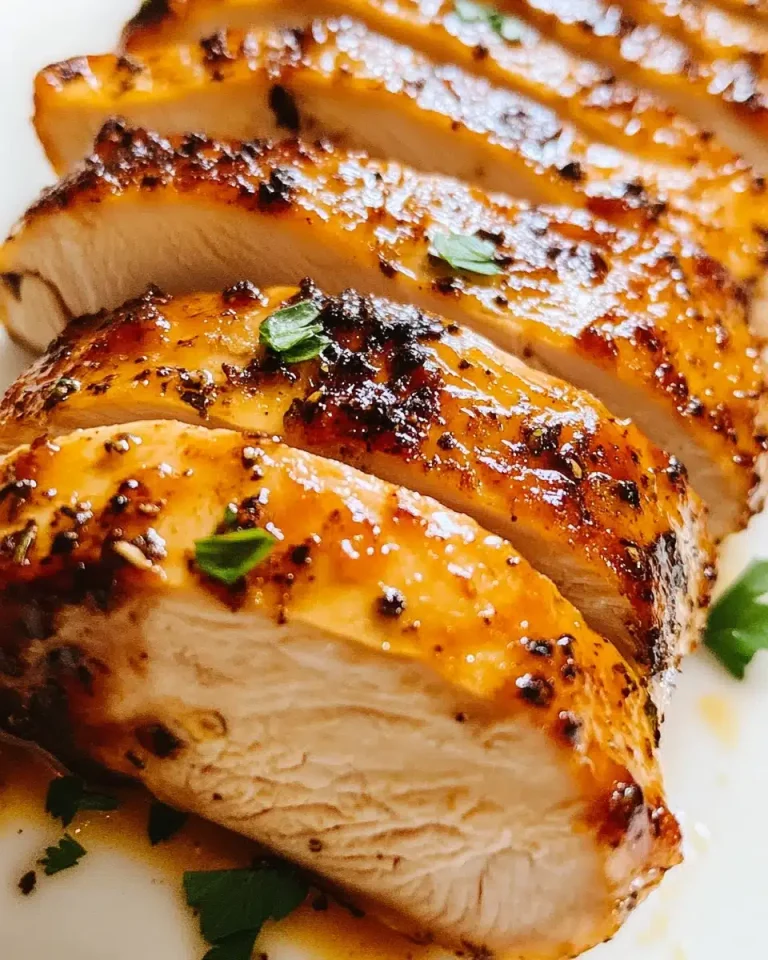
Crispy Chicken Cast Iron Skillet with Garlic Butter Sauce
A flavorful dish featuring tender chicken cooked in a cast iron skillet with a rich garlic butter sauce. Perfect for a quick weeknight meal with minimal effort.
🥘Ingredients
- 1.5 lbs boneless, skinless chicken breasts or thighs
- 1 tbsp olive oil
- 1 tsp paprika
- 1 tsp garlic powder
- ½ tsp salt
- ½ tsp black pepper
- 3 tbsp unsalted butter
- 4 cloves garlic, minced
- 1 tbsp lemon juice
- 1 tbsp fresh parsley, chopped
- ½ tsp red pepper flakes (optional)
- Salt to taste
👨🍳Directions
-
1 Preheat oven to 400°F (200°C) or heat a cast iron skillet over medium-high heat.
-
2 In a bowl, mix olive oil, paprika, garlic powder, salt, and black pepper. Coat chicken evenly with the mixture.
-
3 Place chicken in the skillet (or on a baking sheet if using oven). Bake for 20 minutes or until internal temperature reaches 165°F (74°C).
-
4 While chicken bakes, melt butter in the same skillet over medium heat. Add minced garlic and sauté for 30 seconds until fragrant.
-
5 Add lemon juice, red pepper flakes, and parsley. Stir to combine and let sauce simmer for 2 minutes.
-
6 Remove chicken from oven, let it rest for 2 minutes, then slice. Pour sauce over chicken and serve.
🔧Equipment
- Cast iron skillet
- Mixing bowl
- Knife and cutting board
- Measuring spoons
- Wooden spoon
- Oven or stovetop
📊Nutrition Facts (per serving)
📝Notes
Watch Video Of How Crispy Chicken Cast Iron Skillet with Garlic Butter Sauce Works
This cast iron skillet chicken recipe is my go-to for any occasion because it’s simple enough to whip up in one pan yet feels special enough for a family dinner or holiday meal. The crispy skin and tender meat hold up well whether you’re serving it with mashed potatoes, roasted veggies, or just a simple side salad—no fuss, just great flavor. It’s the kind of dish that makes everyone feel welcome, whether you’re hosting a small get-together or feeding a big crowd, and it never disappoints.
❓ Frequently Asked Questions About Crispy Chicken Cast Iron Skillet with Garlic Butter Sauce
1. What is the best type of cast iron skillet for cooking chicken in?
The best type of cast iron skillet for cooking chicken is a high-quality, seasoned one made from solid cast iron. Look for a skillet that is at least 10 inches in diameter to ensure even cooking. Brands like Le Creuset, Lodge, and GSI Outdoors are known for their durability and excellent heat retention. Make sure it’s properly preheated before adding chicken to avoid sticking.
—
2. How do I properly season my cast iron skillet before using it for chicken?
Properly seasoning your cast iron is essential for preventing sticking and enhancing flavor. After cleaning the skillet with hot, soapy water and drying it thoroughly, apply a thin layer of high-smoke-point oil (like vegetable, canola, or flaxseed oil) using a paper towel. Heat the skillet on the stove over medium heat until the oil is fully absorbed. Repeat this process 2-3 times for a well-seasoned surface. Avoid using butter or low-smoke-point oils initially, as they can burn and leave residue.
—
3. How should I prepare the chicken before cooking in the cast iron skillet?
For crispy, flavorful chicken, pat the pieces dry thoroughly with paper towels to remove excess moisture. Season generously with salt, pepper, and any desired herbs or spices (like paprika, garlic powder, or Italian seasoning). For extra crispiness, lightly coat the chicken in a thin layer of oil before placing it in the skillet. If using marinades, let the chicken sit in the marinade for at least 15 minutes before cooking to allow the flavors to penetrate.
—
4. What temperature should I set the stove for cooking chicken in a cast iron skillet?
For optimal results, preheat your cast iron skillet to medium-high heat (around 375–450°F or 190–230°C). This ensures the chicken cooks evenly and develops a crispy exterior. If the chicken is large (like a whole chicken or thick-cut breasts), start with a slightly lower heat to avoid burning the outside while the inside cooks through. Monitor closely and adjust as needed.
—
5. Can I use butter or olive oil for cooking chicken in a cast iron skillet?
While butter can add delicious flavor, it’s best to avoid using it directly in the skillet for high-heat cooking because it can burn and leave a bitter taste. Instead, use high-smoke-point oils like vegetable, avocado, or grapeseed oil for searing. If you prefer butter, consider adding it at the end of cooking or using a small amount for finishing touches. Olive oil is also fine in moderation, but it may not handle high heat as effectively as other oils.