
chicken in pressure cooker recipe

The Best chicken in pressure cooker recipe
Chicken cooked in a pressure cooker is one of those meals that feels like a no-fuss miracle. I’ve been making it since my kids were little, and honestly, there’s nothing quite like the tender, juicy chicken that comes out of that pressure cooker after just a few hours of hands-off cooking. It’s fast—way faster than slow-roasting or frying—and it’s always perfect, no matter how many times I’ve done it. My family loves it because it’s so easy to customize. One day it’s with rice and roasted veggies, the next with mashed potatoes and gravy, and sometimes just straight up with a simple green salad. The kids swear it’s the only chicken they’ll eat because it’s so tender and flavorful, and honestly, I don’t blame them. It’s not just quick; it’s also healthier than deep-fried options, packed with lean protein and all the nutrients you need without all the extra grease.
I love this recipe because it’s the kind of meal that works for everything—whether it’s a weeknight dinner or a special occasion. My husband always says it’s the only thing that makes Sunday dinner feel like a weekend treat, and I get why. The pressure cooker cuts down on active time, so you can spend less energy in the kitchen and more time with your family. Plus, it’s foolproof—no burning, no soggy meat, no last-minute scrambling. My kids, especially my picky one, will eat it because it’s just so good, and it’s a great way to sneak in some veggies if you’re serving it with roasted or steamed sides. I’ve also found that the pressure cooking method keeps the chicken moist and flavorful longer than traditional methods, so it’s perfect for meal prep too. It’s not just a recipe; it’s a lifesaver for busy weeks and a crowd-pleaser for gatherings. And the best part? It’s something my whole family will eat without complaint, which is a rare thing these days.
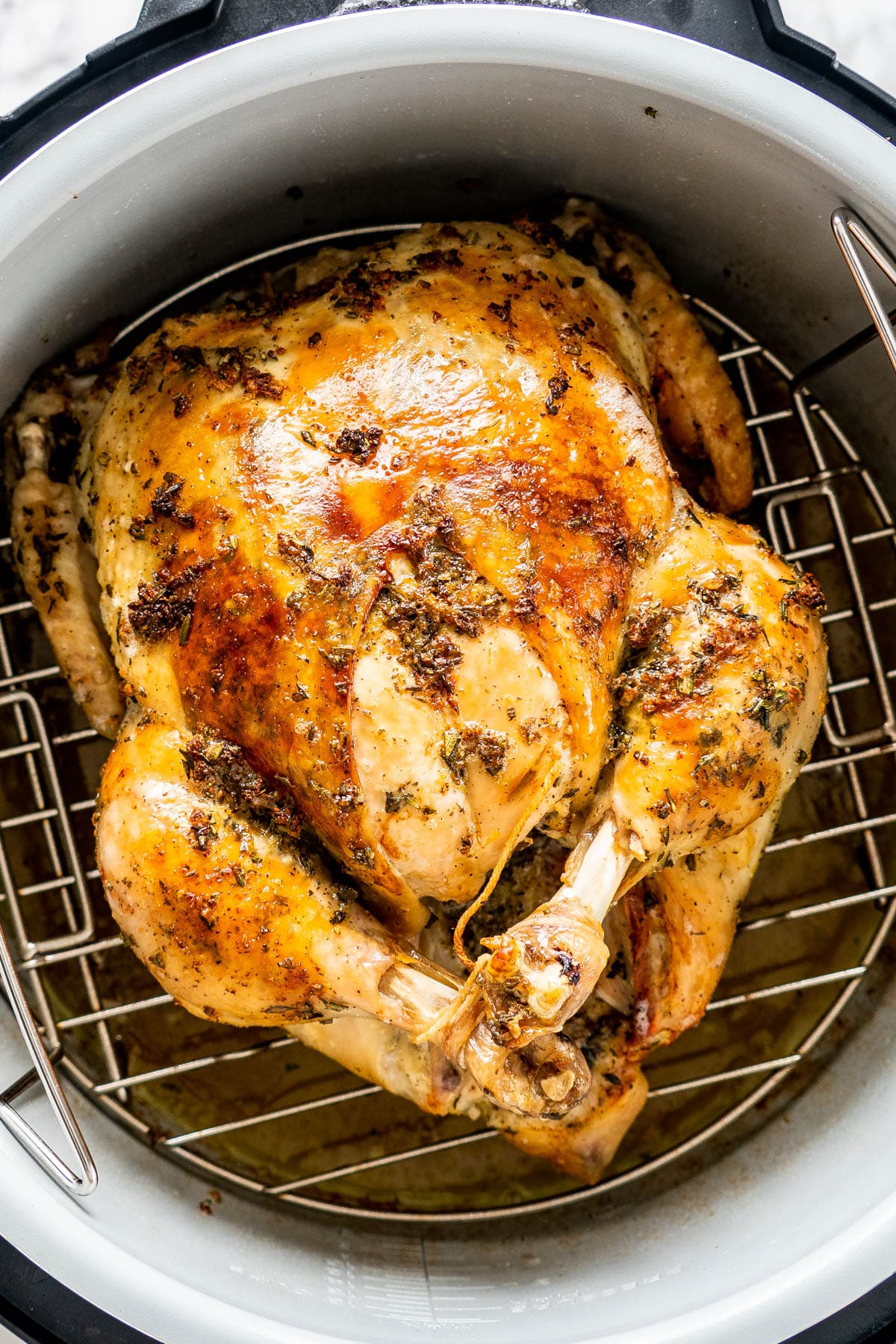
Pressure Cooker Honey Garlic Chicken
A quick and flavorful dish where tender chicken is marinated in a sweet and savory honey garlic sauce, cooked in a pressure cooker for a perfectly tender result. This recipe is a must-try for any occasion.
🥘Ingredients
- 1.5 lbs boneless, skinless chicken thighs or breasts
- 1 tbsp olive oil
- 1 tsp garlic powder
- 1 tsp onion powder
- ½ tsp paprika
- ½ tsp salt
- ½ tsp black pepper
- 3 tbsp honey
- 3 tbsp soy sauce
- 2 tbsp rice vinegar
- 3 cloves garlic, minced
- 1 tbsp fresh ginger, grated
- 1 tsp cornstarch
- 1 cup chicken broth
- 1 tbsp sesame oil
👨🍳Directions
-
1 Preheat your pressure cooker by adding 1 cup of water to the bottom pot and setting it to high pressure for 2 minutes. Drain the water and wipe the pot clean.
-
2 In a bowl, mix olive oil, garlic powder, onion powder, paprika, salt, and black pepper. Rub the mixture evenly over the chicken pieces.
-
3 In another bowl, combine honey, soy sauce, rice vinegar, minced garlic, grated ginger, and cornstarch. Stir well.
-
4 Place the chicken in the pressure cooker. Pour the sauce mixture over the chicken, ensuring it is well-coated.
-
5 Add sesame oil to the pressure cooker. Seal the lid and set the pressure cooker to high pressure. Cook for 8 minutes.
-
6 Allow the pressure to release naturally for 5 minutes, then quick-release any remaining pressure. Let the chicken rest for 5 minutes before serving.
🔧Equipment
- Pressure cooker
- Mixing bowls
- Measuring cups and spoons
- Knife and cutting board
- Wooden spoon
- Tongs
📊Nutrition Facts (per serving)
📝Notes
Watch Video Of How Pressure Cooker Honey Garlic Chicken Works
This chicken pressure cooker recipe is always a lifesaver for busy families—it cooks fast, keeps the meat tender, and makes cleanup a breeze. Whether you’re feeding a crowd for a holiday dinner or just need a simple weeknight meal, the pressure cooker makes sure every bite is juicy and flavorful without extra fuss. Plus, it’s perfect for gatherings because it’s foolproof, fills the house with great-smelling aromas, and leaves everyone happy with minimal effort.
❓ Frequently Asked Questions About Pressure Cooker Honey Garlic Chicken
How long should I cook chicken in a pressure cooker for tender and juicy results?
For most chicken cuts like thighs or drumsticks, cook for 6-8 minutes on high pressure. For breasts (bone-in), 5-7 minutes is usually enough, while boneless breasts may need 3-5 minutes. Always check the recipe guidelines as some cuts vary—once pressure releases naturally, let it steam off for 10 minutes before opening to retain moisture.
—
Can I add any seasonings or aromatics while cooking chicken in a pressure cooker?
Absolutely! You can add ingredients like garlic, onions, ginger, herbs (thyme, rosemary, bay leaves), and even vegetables (bell peppers, carrots) while cooking. For marinades, coat the chicken in soy sauce, honey, lemon juice, or spices before pressure cooking. Just ensure you don’t overcrowd the pot, as this can reduce pressure efficiency.
—
What’s the best way to handle raw chicken in a pressure cooker to avoid cross-contamination?
Use separate utensils, cutting boards, and containers for raw chicken to prevent cross-contamination. Rinse the chicken under cold water before cooking and pat it dry. If using a multi-cooker, clean the inner pot thoroughly after each use. For safety, cook chicken to an internal temperature of 165°F (74°C) before serving.
—
Why is my chicken dry or rubbery after pressure cooking?
Dry or rubbery chicken often happens due to overcooking or not letting it rest. Ensure you’re following the recommended time (see first Q&A). After pressure release, let the chicken sit in its juices for 5-10 minutes before serving. If using a bone-in cut, avoid overcrowding the pot. For extra moisture, add a splash of broth or liquid during cooking.
—
Can I use frozen chicken in a pressure cooker, and how do I adjust cooking time?
Yes, you can cook frozen chicken, but adjust the time by 10-15 minutes longer than fresh (e.g., 8–10 minutes for frozen thighs instead of 6–8). Press the quick-release valve immediately after pressure builds to avoid overcooking. Avoid overcrowding the pot, as frozen chicken releases moisture slowly. Thaw it partially if possible for even cooking.
