chicken recipe using oyster sauce

- The Best chicken recipe using oyster sauce
- Oyster Sauce Glazed Chicken with Stir-Fried Vegetables
- 🥘Ingredients
- 👨🍳Directions
- 🔧Equipment
- 📊Nutrition Facts (per serving)
- 📝Notes
- Watch Video Of How Oyster Sauce Glazed Chicken with Stir-Fried Vegetables Works
- ❓ Frequently Asked Questions About Oyster Sauce Glazed Chicken with Stir-Fried Vegetables
The Best chicken recipe using oyster sauce
Chicken with oyster sauce has been a go-to dish in my kitchen for years—not just because it’s flavorful, but because it’s simple enough to make when life gets busy, yet feels special when served at a meal. I grew up eating it often, and now my kids ask for it every time they’re home. The way the sauce caramelizes on the chicken and glues everything together is just so satisfying, and it’s something that feels like a little comfort food without being heavy. It’s not just a meal; it’s something that makes everyone sit down and eat because it’s that good.
What I love most about this recipe is how it works for almost any occasion. It’s hearty enough for a family dinner, light enough for a weeknight, and feels festive when served with steamed rice or noodles. My kids love it because it’s not too spicy, and the sweet-savory balance makes it taste like something their grandma would make. It’s also pretty healthy—lean protein with a touch of umami from the oyster sauce, which helps with digestion, and the carbs from the rice or veggies keep energy steady. Plus, it’s cheap and easy to scale up if you have guests over, so it’s perfect for both everyday meals and special gatherings.
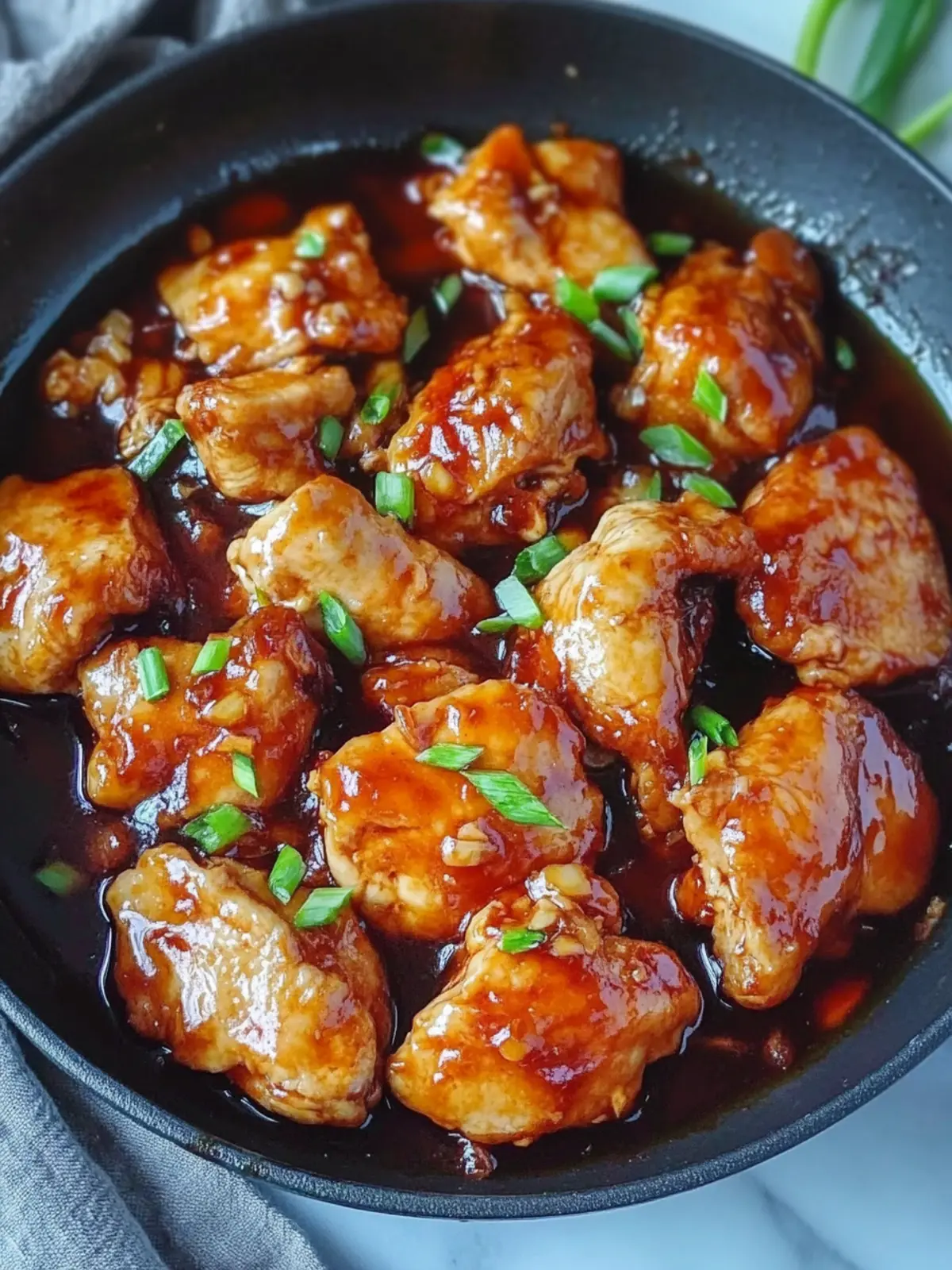
Oyster Sauce Glazed Chicken with Stir-Fried Vegetables
A flavorful and savory dish featuring tender chicken glazed in a rich oyster sauce, paired with crisp stir-fried vegetables for a balanced meal. This recipe is a must-try for any occasion.
🥘Ingredients
- 1.5 lbs boneless, skinless chicken thighs
- 2 tbsp soy sauce
- 1 tbsp oyster sauce
- 1 tbsp honey
- 1 tbsp rice vinegar
- 1 clove garlic, minced
- 1 tsp grated ginger
- 1 tsp sesame oil
- 1 bell pepper, sliced
- 1 cup broccoli florets
- 1 carrot, julienned
- 1 cup snap peas
- 2 tbsp vegetable oil
- 1 tbsp minced garlic
- 1 tsp red pepper flakes (optional)
- 1 tbsp chopped green onions
- 1 tsp sesame seeds
👨🍳Directions
-
1 Preheat oven to 400°F (200°C) if baking, or heat a skillet over medium-high heat. In a bowl, mix chicken thighs with soy sauce, oyster sauce, honey, rice vinegar, minced garlic, grated ginger, and sesame oil. Marinate for at least 15 minutes.
-
2 In a separate bowl, combine sliced bell pepper, broccoli florets, carrot, and snap peas. Heat vegetable oil in the skillet over medium-high heat. Stir-fry vegetables for 4-5 minutes until tender-crisp. Add minced garlic and red pepper flakes, stir for 30 seconds.
-
3 Remove chicken from marinade, reserving the marinade. Pat dry with paper towels. If baking, place chicken on a lined baking sheet. If stir-frying, add chicken to the skillet with the vegetables. Pour reserved marinade over chicken and vegetables. Cook for 10-12 minutes until chicken is cooked through (165°F/74°C internal temperature).
-
4 Garnish with chopped green onions and sesame seeds. Serve hot with steamed rice.
🔧Equipment
- Large skillet or wok
- Mixing bowls
- Knife and cutting board
- Measuring spoons
- Wooden spoon
- Oven (optional, for baking)
📊Nutrition Facts (per serving)
📝Notes
Watch Video Of How Oyster Sauce Glazed Chicken with Stir-Fried Vegetables Works
This chicken recipe with oyster sauce is always a solid choice for any gathering because it’s hearty, flavorful, and easy to serve in big batches. The deep umami punch from the oyster sauce makes it taste like a restaurant dish at home, and it pairs perfectly with steamed rice or stir-fried veggies—no fuss, just great food that feels special without the stress. Plus, it’s a crowd-pleaser that everyone, from kids to adults, will enjoy, especially when you’re hosting a family meal or a casual get-together.
❓ Frequently Asked Questions About Oyster Sauce Glazed Chicken with Stir-Fried Vegetables
What is the best way to balance the sweetness and umami flavors in a chicken recipe using oyster sauce?
The best way to balance sweetness and umami in a dish with oyster sauce is to start with a flavorful base like soy sauce, garlic, ginger, or a touch of honey or brown sugar. For example, stir-fry chicken with oyster sauce by sautéing garlic and ginger first, then adding chicken, followed by a mix of oyster sauce, soy sauce, and a little honey or sugar. Adjust the ratio—start with 2 parts oyster sauce to 1 part sweetener—to taste. If the dish feels too salty, reduce soy sauce slightly; if it’s too bland, add a pinch of MSG or a splash of vinegar.
—
Can I substitute oyster sauce with another sauce or ingredient, and if so, what are the best alternatives?
Yes! If you don’t have oyster sauce, you can replace it with a mix of 50% soy sauce + 50% hoisin sauce for a similar sweet-savory depth. Other alternatives include: – 50% dark soy sauce + 50% Worcestershire sauce (for umami without sweetness). – A mix of 3 parts fish sauce + 1 part brown sugar (for a fermented, sticky glaze). – Homemade oyster sauce alternative: Blend 1 tbsp soy sauce, 1 tbsp dark brown sugar, 1 tsp cornstarch, ½ tsp MSG, and a pinch of black pepper for a quick DIY version. For stir-fries, a splash of hoisin + a little hoisin substitute (like a 1:1 ratio of soy sauce + molasses) works well. Avoid plain soy sauce alone—it lacks depth.
—
How do I prevent the chicken from getting dry when using oyster sauce in a stir-fry?
To keep chicken tender and juicy when using oyster sauce in a stir-fry, follow these key steps: 1. Marinate the chicken (at least 30 minutes, up to 2 hours) in a mix of soy sauce, oyster sauce, cornstarch, garlic, ginger, and a little honey or sesame oil. This helps bind flavors and tenderize. 2. Don’t overcook—use high heat and stir-fry until just cooked (165°F/74°C internal temp). Overcooking dries out meat. 3. Add a little water or broth at the end of cooking (1–2 tbsp) to steam the chicken slightly and retain moisture. 4. Cut chicken into even pieces (thin strips or bite-sized cubes) so they cook uniformly. 5. Finish with a quick sear—after removing chicken from the pan, sear it in the same pan for 1–2 minutes to lock in juices. 6. Use a little more cornstarch or starch slurry (1 tbsp cornstarch + 1 tbsp water) in the sauce to help retain moisture.
—
Why does my oyster sauce chicken taste bland, and how can I enhance the depth of flavor?
If your oyster sauce chicken tastes bland, it’s likely missing key umami, acidity, or heat. Try these enhancements: – Add a splash of vinegar (rice vinegar or apple cider vinegar) to brighten flavors (½–1 tsp). – Boost umami with fish sauce (1 tsp), Worcestershire sauce (1 tbsp), or a pinch of MSG (if you like saltiness). – Increase the oyster sauce ratio—start with 3 tbsp oyster sauce per 2 cups chicken (adjust to taste). – Sauté aromatics first: Cook garlic, ginger, and scallions in the pan before adding chicken to build flavor. – Use a mix of sauces: Combine oyster sauce with hoisin, dark soy sauce, or a little chili oil for complexity. – Add a touch of acidity (lime juice, pineapple juice, or even a dash of sriracha) to cut richness. – Toast the oyster sauce briefly in the pan before adding chicken to deepen its flavor.
—
How do I make a homemade oyster sauce from scratch, and what ingredients do you recommend?
Making homemade oyster sauce is simple and budget-friendly. Here’s a classic recipe: Ingredients: – ½ cup fish sauce (or soy sauce for a vegetarian option) – ¼ cup dark brown sugar (or coconut sugar) – 2 tbsp soy sauce – 1 tbsp cornstarch (or arrowroot powder) – 1 tsp MSG (optional, for extra umami) – ½ tsp black pepper – 1 tsp sesame oil (optional, for aroma) – 1 tbsp water (to thin if needed)
Instructions: 1. In a small saucepan, combine fish sauce, brown sugar, soy sauce, cornstarch, MSG, and pepper. Stir well. 2. Bring to a gentle simmer over medium-low heat, stirring constantly until the mixture thickens (about 5–7 minutes). 3. Remove from heat and let it cool slightly, then stir in sesame oil (if using). 4. Adjust sweetness/saltiness to taste. For a thicker consistency, simmer longer; for thinner, add a splash of water. Storage: Keep in an airtight container in the fridge for up to 2 weeks or freeze for longer shelf life. For best flavor, use within 1 week.