indian food recipe chicken curry

The Best indian food recipe chicken curry
Chicken curry is one of those dishes that feels like a warm hug for my whole family—especially after a long day. There’s something about the rich, aromatic spices and the tender, flavorful chicken that makes it feel like home, no matter where we are. I grew up eating it often, and now that I make my own version, it’s become a staple in our kitchen, whether we’re hosting a small get-together or just having a quiet night in. The kids love it because it’s comforting and always tastes better than takeout, and my husband says it’s the only dish that makes him forget about the stress of the day. Plus, it’s versatile—you can serve it with rice, naan, or even roti, and it works for both casual meals and when we want to impress guests.
What really makes this recipe special is how balanced it is—spices that aren’t just sweet or sour but a mix of warmth and depth, with just the right amount of heat if you like it spicy. I’ve always been drawn to dishes that feel hearty but still light enough to not weigh you down, and chicken curry hits that sweet spot. The health benefits are nice too, especially since we use whole chicken and avoid heavy cream in favor of coconut milk or yogurt for creaminess. It’s got protein to keep us full, fiber from the vegetables, and healthy fats that make it satisfying without being too heavy. Plus, the spices like turmeric and ginger have been linked to anti-inflammatory benefits, so it’s not just delicious—it’s good for you too. That’s why I always keep this recipe on hand, whether we’re feeding a crowd or just enjoying a simple family meal. It’s that kind of dish that makes everyday feel a little extra special.
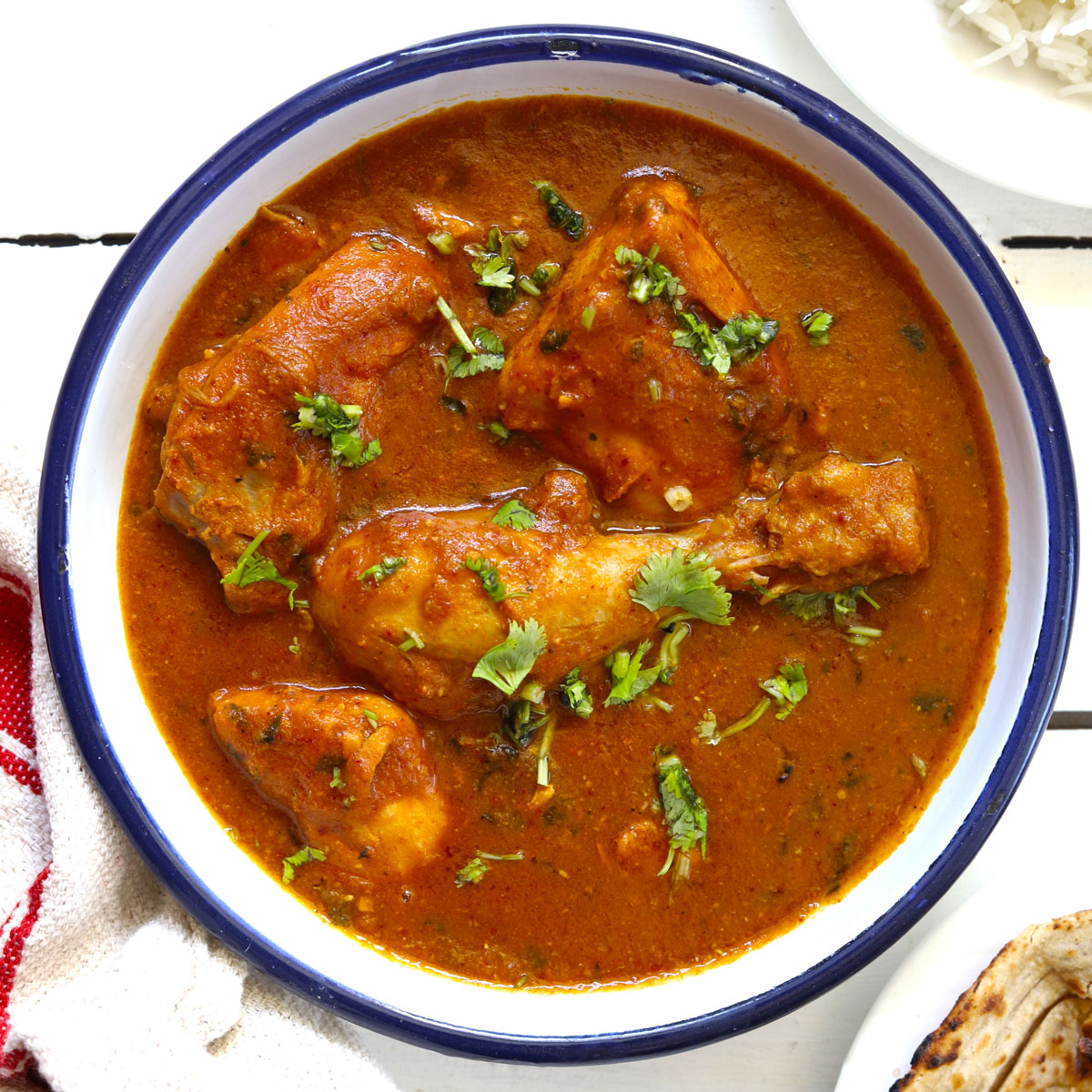
Classic Indian Chicken Curry
A rich, aromatic, and flavorful chicken curry made with tender chicken pieces, a blend of warm spices, and a creamy tomato-based gravy. Perfect for a comforting meal!
🥘Ingredients
- 1.5 kg boneless chicken thighs or breasts, cut into bite-sized pieces
- 1 tbsp ginger-garlic paste
- 1 tsp turmeric powder
- 2 tbsp oil or ghee
- 1 large onion, finely chopped
- 2 green chilies, slit (adjust to taste)
- 1 tsp cumin seeds
- 1 tsp coriander powder
- 1 tsp garam masala
- 1 tsp red chili powder
- 1 tsp turmeric powder
- 1 tsp kasuri methi (dried fenugreek leaves)
- 1 cup tomato puree
- 1 cup coconut milk (or heavy cream for richness)
- 1 cup water or chicken broth
- 1 tbsp lemon juice
- Salt to taste
- Fresh cilantro (coriander leaves)
- Extra lemon wedges
- Crushed peanuts or cashews
👨🍳Directions
-
1 In a bowl, marinate the chicken pieces with ginger-garlic paste, turmeric powder, salt, and a pinch of black pepper. Let it sit for 10 minutes.
-
2 Heat oil/ghee in the pan over medium heat. Add cumin seeds and let them splutter. Add chopped onions and sauté until golden brown (~5 mins).
-
3 Add green chilies, coriander powder, red chili powder, and turmeric. Stir for 1 minute until fragrant. Add the marinated chicken and cook for 5 minutes.
-
4 Pour in tomato puree and stir well. Cook for 5 minutes until the oil separates.
-
5 Add garam masala, kasuri methi, coconut milk, and water/broth. Bring to a boil, then reduce heat to low. Simmer for 15-20 minutes, stirring occasionally, until chicken is fully cooked and sauce thickens.
-
6 Remove from heat, stir in lemon juice, and adjust salt if needed. Garnish with fresh cilantro and serve hot with steamed rice or naan.
🔧Equipment
- Large deep pan or heavy-bottomed pot
- Knife and cutting board
- Mixing bowls
- Wooden spoon or spatula
- Pressure cooker (optional, for quicker cooking)
📊Nutrition Facts (per serving)
📝Notes
Watch Video Of How Classic Indian Chicken Curry Works
Indian chicken curry is one of those recipes that never fails to bring warmth to any meal—whether it’s a casual weeknight dinner or a busy family gathering. The rich, spiced gravy makes it feel special, and it’s so versatile that you can serve it with rice, naan, or even roti without any fuss. Plus, it’s comforting in a way that feels like home, so it’s always a hit with kids and adults alike.
❓ Frequently Asked Questions About Indian Chicken Curry
What is the key difference between making a creamy vs. dry chicken curry?
The key difference lies in the consistency and ingredients used. A creamy chicken curry typically includes yogurt, milk, or coconut milk to thicken the gravy, along with ghee or butter for richness. You’ll also often use spices like garam masala, turmeric, and cumin seeds to create a smooth, velvety texture. In contrast, a dry chicken curry relies on a spicier, more aromatic base with minimal liquid—think of dishes like Butter Chicken (Murgh Makhani) with a tomato-based sauce or Hyderabadi Biryani with a lighter, herb-infused gravy. The dry version emphasizes bold flavors and less fat, while the creamy version prioritizes comfort and indulgence.
—
How can I make my chicken curry extra flavorful without overpowering the taste?
To elevate flavor without overpowering, focus on layering aromatics and spices properly. Start with a blanching or tempering step—sauté onions, garlic, ginger, and whole spices (like cardamom, cloves, and cinnamon) in ghee or oil until fragrant. Add tomatoes at the right time: cook them until mushy (not raw) to deepen sweetness, then balance with acidity (lemon juice or tamarind). Use fresh herbs like cilantro or mint in the final mix, and don’t skip the yogurt or cream—it mellows heat while adding depth. A pinch of sugar can also harmonize the spices. Avoid overcrowding the pan; cook in batches for even flavor distribution.
—
Can I use frozen chicken for making chicken curry, and if so, what’s the best way to prepare it?
Yes, you can use frozen chicken, but thawing it properly is crucial for texture. Thaw overnight in the fridge (or microwave in short bursts) to avoid ice crystals. Once thawed, pat dry thoroughly with paper towels to remove excess moisture—this prevents a soggy curry. For best results: 1. Marinate the chicken (if possible) in yogurt, lemon juice, and spices for 30+ minutes before cooking. 2. Cut into uniform pieces (bone-in for richer flavor, boneless for convenience). 3. Sear well in a hot pan before adding the curry base to lock in juices. 4. Simmer gently—frozen chicken can take longer to cook evenly, so adjust time by ~10–15 minutes. Avoid overcooking; chicken curry should be tender but not dry. If using a slow cooker, add frozen chicken last and cook on low for 4–5 hours.
—
What are some common mistakes people make when making chicken curry, and how can they be avoided?
1. Skipping the tempering step: Many overlook sautéing whole spices (like bay leaves, curry leaves, or whole garam masala pods) in oil first. Fix: Always start with a “temper” (tadka) to release oils and enhance flavors. 2. Using raw or undercooked tomatoes: Tomatoes should be cooked until soft and mushy to release their natural sweetness and prevent bitterness. Fix: Sauté tomatoes with onions, garlic, and a pinch of sugar until they break down. 3. Overloading spices: Too much cumin, coriander, or turmeric can make the curry taste harsh. Fix: Use half the recommended amount and adjust to taste; start with 1 tsp of each spice and add more if needed. 4. Not balancing acidity: A curry can become too tangy or bland without a touch of acid (lemon, tamarind, or vinegar). Fix: Add a squeeze of lemon juice or a teaspoon of tamarind paste at the end. 5. Ignoring the yogurt ratio: Too much yogurt can make the curry watery, while too little can make it dry. Fix: Use 1/4 cup yogurt per cup of gravy (adjust to preference). 6. Cooking the chicken too fast: High heat can dry out the meat. Fix: Cook chicken in low to medium heat, stirring occasionally, and add liquid (like water or broth) to prevent sticking.
—
How can I make my chicken curry gluten-free without sacrificing flavor?
To keep your chicken curry gluten-free, avoid tamarind (sometimes contains gluten) and traditional thickeners like wheat-based starches. Instead: – Use gluten-free tamarind pulp or gluten-free tamarind paste (check labels). – Boost thickness naturally: – Coconut milk (full-fat for creaminess) or yogurt (ensure it’s gluten-free). – Cornstarch or arrowroot powder (1 tsp per cup of gravy) mixed with water as a slurry. – Chickpea flour (besan)—sauté 2 tbsp with spices to thicken. – Spice blends: Ensure garam masala, cumin, and coriander powders are certified gluten-free (some brands contain wheat). – Acid balance: Use gluten-free vinegar (apple cider or rice vinegar) instead of malt vinegar. – Herbs & aromatics: Fresh ginger, garlic, and cilantro add depth without gluten. For extra richness, add a splash of gluten-free gravy thickener (like Bob’s Red Mill) or a spoonful of cashew paste (blend soaked cashews with water). Always check ingredient labels for hidden gluten!