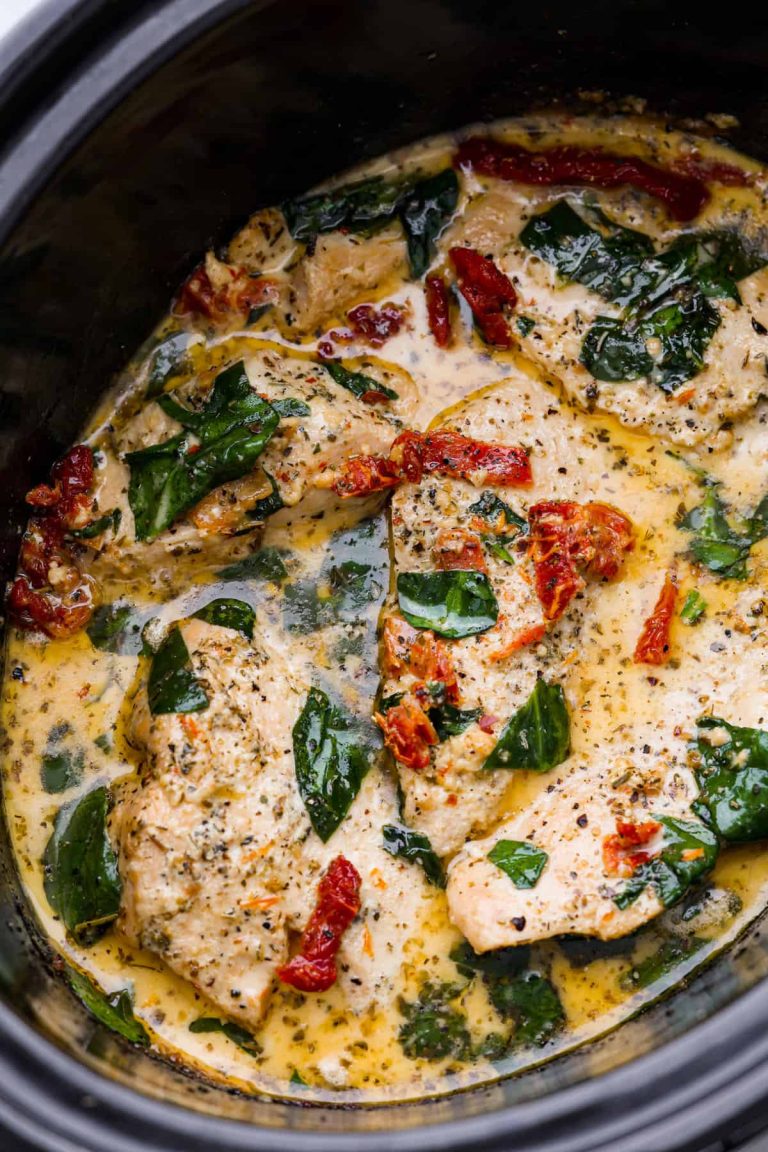
japanese chicken breast recipe

The Best japanese chicken breast recipe
Oh, this Japanese-style chicken breast recipe is one of my all-time favorites—it’s simple enough to whip up in under an hour but feels like a real treat because it’s so flavorful and satisfying. I love it because it’s got that perfect balance of tender, juicy chicken with a savory-sweet glaze that’s not too heavy but still packs a punch. My kids actually beg for it, especially after school when they’re hungry but don’t want something too messy or greasy. It’s that kind of dish that feels special but doesn’t take forever to prepare, which is a win in my book.
Plus, it’s one of those recipes that works for everything—whether you’re feeding a crowd for a casual dinner or just making a quick weeknight meal for the family. The chicken stays moist and flavorful, and the sauce clings nicely without being overly sticky. My husband even says it’s his go-to when he wants something healthy but still indulgent, and honestly, I agree. It’s not just a meal; it’s a way to get a little extra protein and nutrients without feeling like you’re sacrificing taste. And the fact that it’s gluten-free and lean makes it a great pick for anyone watching their diet, but it still feels like a real comfort food. It’s that kind of recipe that makes you feel good about what you’re eating, and honestly, that’s what I love most about it.

Japanese Teriyaki Chicken Breast
A flavorful and tender Japanese-style dish featuring marinated chicken breast glazed with a sweet and savory teriyaki sauce. This recipe is a must-try for any occasion.
🥘Ingredients
- 4 boneless, skinless chicken breasts
- 2 tbsp soy sauce
- 1 tbsp mirin
- 1 tbsp sake (or dry white wine)
- 1 tbsp honey
- 1 clove garlic, minced
- 1 tsp grated ginger
- 1 tsp sesame oil
- 2 tbsp soy sauce
- 1 tbsp brown sugar
- 1 tbsp honey
- 1 tbsp rice vinegar
- 1 clove garlic, minced
- 1 tsp grated ginger
- 1 tsp sesame oil
- 1 tbsp vegetable oil
- 1 tbsp toasted sesame seeds
- 1 green onion, sliced
- 1 tsp red pepper flakes (optional)
👨🍳Directions
-
1 Preheat oven to 200°C (390°F) if baking, or heat a non-stick pan over medium-high heat.
-
2 In a bowl, mix chicken breasts with soy sauce, mirin, sake, honey, minced garlic, grated ginger, and sesame oil. Let marinate for at least 15 minutes.
-
3 For the sauce, combine soy sauce, brown sugar, honey, rice vinegar, minced garlic, grated ginger, and sesame oil in a small bowl. Stir well.
-
4 If baking: Place chicken breasts on a lined baking sheet, pour sauce over them, and wrap in aluminum foil. Bake for 20 minutes. Unwrap, baste with sauce, and bake for another 5 minutes. Remove from oven and let rest for 5 minutes.
-
5 If pan-frying: Pour sauce into the pan, add chicken breasts, and cook for 4-5 minutes on each side until fully cooked and glazed.
-
6 Garnish with toasted sesame seeds, sliced green onions, and red pepper flakes if desired.
🔧Equipment
- Mixing bowls
- Cutting board
- Knife
- Cooking pan (non-stick)
- Aluminum foil
- Oven (optional for baking)
- Spatula
📊Nutrition Facts (per serving)
📝Notes
Watch Video Of How Japanese Teriyaki Chicken Breast Works
This Japanese chicken breast recipe is always a solid choice for any gathering because it’s simple yet packed with flavor—no fancy ingredients or complicated steps required. It’s perfect for family dinners or potlucks because it holds up well on its own or pairs nicely with rice and veggies, making cleanup easy and the meal balanced. Plus, the tender, slightly sweet taste never disappoints, whether you’re serving it to kids or adults alike.
❓ Frequently Asked Questions About Japanese Teriyaki Chicken Breast
1. What is the secret to achieving tender and juicy Japanese-style chicken breast?
The secret lies in a combination of techniques: marinating the chicken in a mixture of soy sauce, mirin, sake, and a touch of sugar for 30 minutes to 2 hours (or overnight for deeper flavor), then pounding it thin (about ½ inch) to ensure even cooking and tenderness. Baking or grilling at high heat (around 400°F/200°C) helps retain moisture while searing the outside for a crispy crust. Avoid overcooking—Japanese-style chicken is typically cooked to medium-rare (155–160°F/68–71°C internal temp).
—
2. Can I substitute soy sauce with another type of sauce in the marinade?
While traditional Japanese marinades use koikuchi soy sauce (light soy), you can experiment with: – Tamari (gluten-free, darker flavor) – Maggi seasoning (for a deeper umami taste, but adjust saltiness) – Fish sauce (for a briny twist, but balance with extra sugar/mirin) However, soy sauce remains the best choice for authentic flavor—substitutes may alter texture or taste.
—
3. How do I prevent the chicken from drying out while cooking?
To keep Japanese chicken breast juicy: – Don’t overcook: Use a meat thermometer to check for 155–160°F (68–71°C)—overcooking turns it rubbery. – Baste frequently: For baking, spoon pan juices over the chicken every 10 minutes to add moisture. – Rest before serving: Let it sit for 5 minutes after removing from heat to redistribute juices. – Use a high-heat method: Grilling or searing creates a protective crust that locks in moisture better than slow cooking.
—
4. What’s the best way to cook Japanese chicken breast—pan-searing, baking, or grilling?
Each method works, but here’s the breakdown: – Pan-searing: Quick and crispy (great for stir-fries or quick meals). Use a nonstick or cast-iron pan, cook over high heat, and add veggies last. – Baking: Hands-off and even (ideal for whole chicken breast). Preheat oven to 400°F (200°C), coat chicken in oil/marinade, and bake for 20–25 minutes (flip halfway). – Grilling: Adds smoky flavor but requires monitoring for charring. Brush with oil and grill over high heat for 4–5 minutes per side (until internal temp reaches 155°F/68°C). For best results, marinate first—grilling or pan-searing works best.
—
5. Can I make Japanese chicken breast ahead of time and reheat it?
Yes, but with precautions: – Marinate overnight (up to 12 hours) for maximum flavor, then cook fresh. – Prep components separately: Marinate chicken, chop veggies, and make sauce ahead. Assemble and cook just before serving to avoid sogginess. – Reheat gently: – Oven: Warm at 300°F (150°C) for 10–15 minutes, covered with foil. – Stovetop: Sauté in a little oil to restore crispiness. Avoid microwaving directly—this can dry out the meat. If reheating marinated chicken, add a splash of water or broth to prevent burning.