
kimchi chicken recipe

The Best kimchi chicken recipe
Kimchi chicken is one of those dishes that feels like a warm hug for your taste buds and your body. I first discovered it years ago when my Korean friend introduced me to the bold, tangy flavors of fermented kimchi—something I’d never tried before. At first, I was skeptical, but the first bite of that crisp, spicy chicken in kimchi sauce was pure magic. It’s not just food; it’s comfort in a bowl, and it’s something that makes my whole family—kids included—go wild. My boys, especially, love it because it’s flavorful but not too heavy, and it’s always a hit at family gatherings. Whether it’s a cozy weeknight dinner or a meal for a bigger crowd, this recipe never disappoints. The health benefits make it even better. Kimchi is packed with probiotics that boost gut health, and the chicken is lean protein that keeps us full without the guilt. Plus, the spices in the sauce—like gochugaru, which is the Korean red pepper flakes—give a little kick that’s satisfying but not overpowering. It’s that kind of dish that feels like a celebration of good food, and it’s something I make often because it’s simple enough to prep ahead but always tastes fresh when served. Plus, the kids don’t even notice how healthy it is—they just think it’s the best thing ever.
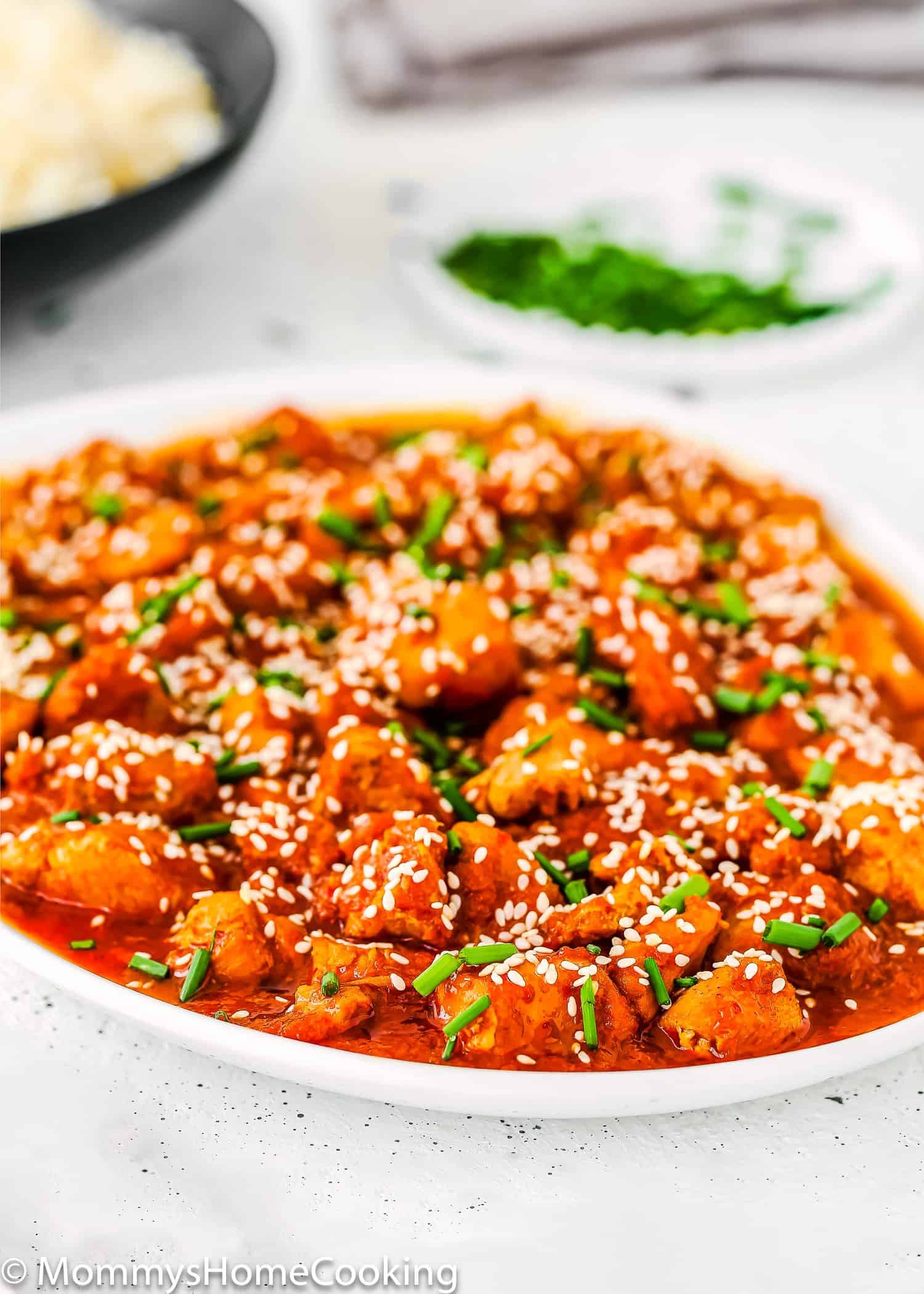
Kimchi Chicken with Spicy Glaze
A flavorful Korean-inspired dish featuring tender chicken marinated in kimchi and spices, baked to perfection with a sweet and tangy glaze. This recipe is a must-try for any occasion.
🥘Ingredients
- 1.5 lbs boneless chicken thighs
- 2 tbsp soy sauce
- 1 tbsp sesame oil
- 1 tbsp brown sugar
- 1 tsp minced garlic
- 1 tsp grated ginger
- 1 tsp red pepper flakes (adjust to taste)
- 1 cup kimchi (packed)
- 1/2 cup kimchi juice
- 1 tbsp gochujang (Korean chili paste)
- 1 tbsp rice vinegar
- 1 tbsp honey
- 1 tsp toasted sesame seeds
- 1/2 cup low-sodium chicken broth
- 1 tbsp gochujang
- 1 tbsp brown sugar
- 1 tsp soy sauce
- 1 clove garlic, minced
👨🍳Directions
-
1 Preheat oven to 400°F (200°C). In a bowl, mix chicken thighs with soy sauce, sesame oil, brown sugar, garlic, ginger, and red pepper flakes. Marinate for at least 15 minutes.
-
2 In a separate bowl, combine kimchi, kimchi juice, gochujang, rice vinegar, honey, and sesame seeds. Mix well and set aside.
-
3 In a baking dish, arrange chicken thighs in a single layer. Pour the kimchi marinade over the chicken and mix gently to coat.
-
4 Preheat oven to 400°F (200°C). Bake the chicken for 25-30 minutes or until the internal temperature reaches 165°F (74°C).
-
5 While chicken is baking, prepare the glaze by mixing chicken broth, gochujang, brown sugar, soy sauce, and minced garlic in a small saucepan. Simmer for 3-5 minutes until slightly thickened.
-
6 Once chicken is done, remove from oven and let it rest for 5 minutes. Pour the glaze over the chicken and drizzle any extra glaze over the baking dish.
-
7 Return the chicken to the oven for 2-3 minutes to let the glaze caramelize. Serve hot with steamed rice.
🔧Equipment
- Mixing bowls
- Cutting board
- Knife
- Oven-safe baking dish
- Oven
📊Nutrition Facts (per serving)
📝Notes
Watch Video Of How Kimchi Chicken with Spicy Glaze Works
This kimchi chicken recipe is always a crowd-pleaser because it’s simple enough to make ahead and still taste fresh, which is perfect for busy family gatherings. Whether you’re feeding a big dinner or just making leftovers for quick meals, the bold flavors of the kimchi and tender chicken keep everyone coming back for more, and it never fails to bring everyone together in a cozy, flavorful way.
❓ Frequently Asked Questions About Kimchi Chicken with Spicy Glaze
1. What is the best type of chicken to use for kimchi fried chicken?
The best type of chicken for kimchi fried chicken is bone-in, skin-on thighs or drumsticks. These cuts retain more moisture and flavor during frying, making them ideal for achieving a crispy exterior with juicy meat. If you prefer boneless chicken, breasts or thighs cut into strips work well, but they may require extra care to prevent drying out.
2. Can I substitute regular kimchi for the spicy kimchi in this recipe?
No, it’s best to use spicy kimchi (or at least kimchi with a high spice level) for the fried chicken. Regular kimchi lacks the fermented tanginess and heat that give the dish its signature flavor. If you can’t find spicy kimchi, you can add extra gochugaru (Korean red pepper flakes) or sugar to balance the heat, but the texture and depth of flavor will be slightly different.
3. How do I ensure the chicken stays juicy while it’s deep-frying?
To keep the chicken juicy, follow these key steps: – Marinate thoroughly (at least 2–4 hours, or overnight) to allow flavors to penetrate. – Pat the chicken dry before frying to prevent excess oil from steaming the meat instead of frying it. – Use a double-fry method: First, fry at a lower temperature (350°F/175°C) for 5–7 minutes to cook through, then finish at a higher temp (375°F/190°C) for 2–3 minutes to crisp the skin. – Don’t overcrowd the pan—fry in batches to maintain proper oil temperature.
4. Can I make kimchi fried chicken without deep-frying?
Yes! You can achieve a delicious version using baking or air-frying: – Baking method: Use a wire rack on a baking sheet to ensure even crispiness. Bake at 400°F (200°C) for 25–30 minutes, flipping halfway. – Air-frying: Cook at 375°F (190°C) for 12–15 minutes, flipping halfway, until golden and crisp. – Stovetop pan-frying: Use a non-stick or cast-iron skillet with high heat, frying in batches for 4–5 minutes per side until crispy.
5. What’s the secret to balancing the spicy and tangy flavors in the marinade?
The marinade’s flavor balance comes from layering ingredients carefully: – Acidity (tang): Kimchi juice, vinegar (rice or apple), or lemon juice cuts through the richness of the chicken. – Heat: Start with 1–2 tbsp gochugaru (adjust to taste) and balance with 1–2 tbsp sugar to mellow the spice. – Umami depth: Add a splash of soy sauce, fish sauce, or a pinch of MSG for savory richness. – Sweetness: A small amount of honey, brown sugar, or maple syrup (½–1 tsp) enhances the fermented notes without overpowering. – Fat: Olive oil or melted butter adds richness, while sesame oil adds aroma. Avoid overdoing it—just enough to coat the chicken.
