
low calorie chicken recipe

- The Best low calorie chicken recipe
- Lemon Garlic Herb Baked Chicken with Roasted Vegetables
- 🥘Ingredients
- 👨🍳Directions
- 🔧Equipment
- 📊Nutrition Facts (per serving)
- 📝Notes
- Watch Video Of How Lemon Garlic Herb Baked Chicken with Roasted Vegetables Works
- ❓ Frequently Asked Questions About Lemon Garlic Herb Baked Chicken with Roasted Vegetables
The Best low calorie chicken recipe
I love this low-calorie chicken recipe because it’s simple, healthy, and always a hit with my family. My kids ask for it all the time, and honestly, I don’t mind making it because it’s so easy to throw together. The best part is that it’s packed with protein and flavor without all the extra calories, so I feel good serving it for weeknight dinners or even when we have friends over.
This recipe is perfect for anyone trying to eat lighter without sacrificing taste. The chicken stays juicy, the seasoning is just right, and it pairs well with almost anything—roasted veggies, a fresh salad, or even whole grains. Plus, it’s a great way to meal prep for the week since it reheats so well. If you’re looking for a go-to dish that’s both satisfying and good for you, this is the one.
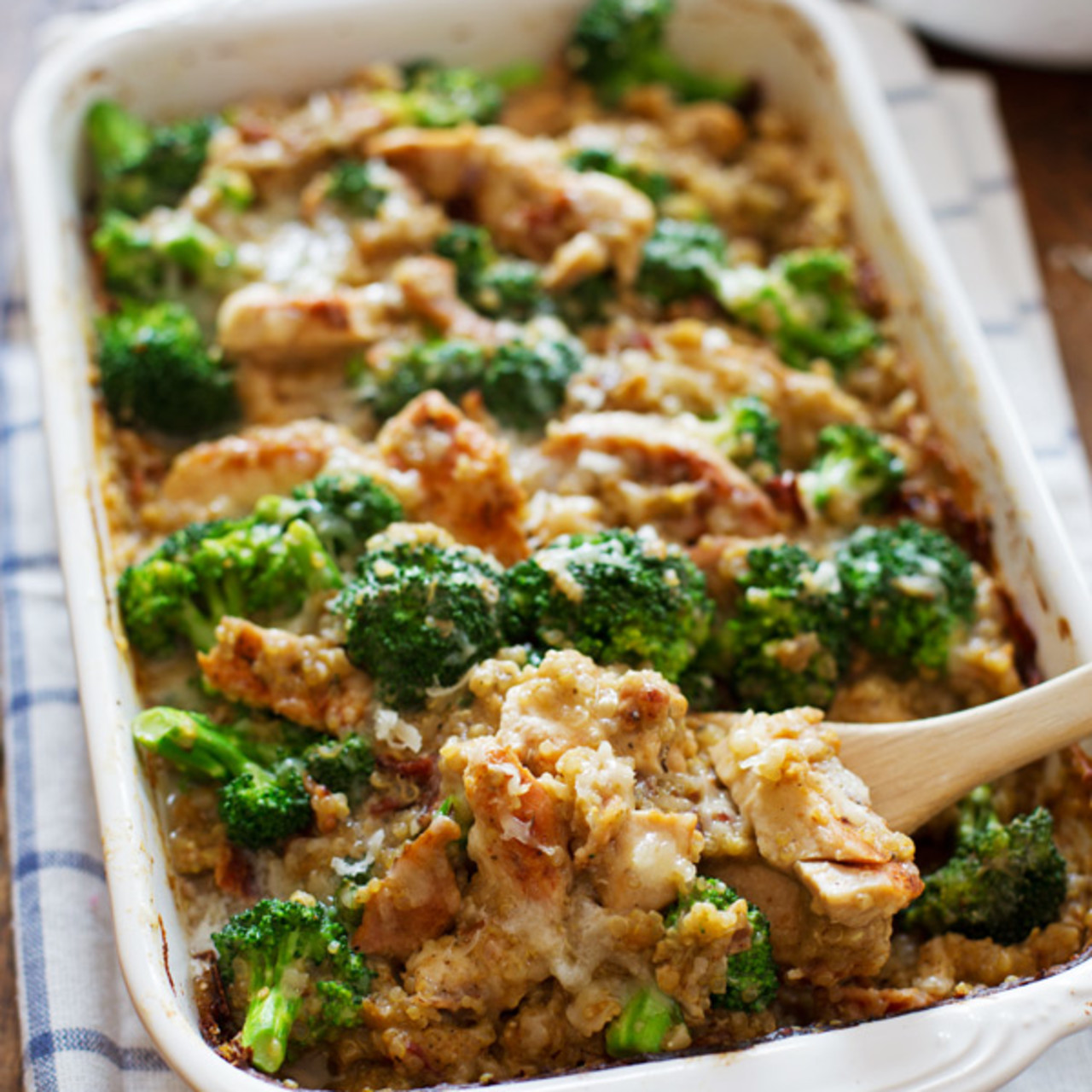
Lemon Garlic Herb Baked Chicken with Roasted Vegetables
A light and flavorful low-calorie chicken dish with zesty lemon, aromatic garlic, and fresh herbs, paired with tender roasted vegetables. Perfect for a healthy weeknight dinner.
🥘Ingredients
- 4 boneless, skinless chicken breasts (about 6 oz each)
- 2 tbsp olive oil (divided)
- 1 lemon (zested and juiced)
- 4 cloves garlic (minced)
- 1 tsp dried oregano
- 1 tsp dried thyme
- ½ tsp salt
- ½ tsp black pepper
- 2 tbsp fresh parsley (chopped)
- 2 cups broccoli florets
- 1 medium zucchini (sliced into half-moons)
- 1 red bell pepper (sliced)
- 1 small red onion (cut into wedges)
- 1 tbsp olive oil
- ½ tsp salt
- ¼ tsp black pepper
- ½ tsp paprika
👨🍳Directions
-
1 Preheat your oven to 400°F (200°C) and line a large baking sheet with parchment paper.
-
2 In a mixing bowl, combine 1 tbsp olive oil, lemon zest, lemon juice, minced garlic, oregano, thyme, salt, and black pepper. Mix well to create the marinade.
-
3 Place the chicken breasts in the bowl with the marinade and coat evenly. Let it sit for 5-10 minutes while you prepare the vegetables.
-
4 In a separate bowl, toss the broccoli, zucchini, bell pepper, and red onion with 1 tbsp olive oil, salt, black pepper, and paprika until evenly coated.
-
5 Arrange the marinated chicken breasts on one side of the baking sheet and the vegetables on the other side. Ensure the chicken is not overcrowded.
-
6 Bake for 25-30 minutes, or until the chicken reaches an internal temperature of 165°F (74°C) and the vegetables are tender and slightly caramelized.
-
7 Remove from the oven and let the chicken rest for 5 minutes. Garnish with fresh parsley before serving.
-
8 Divide the chicken and vegetables evenly among four plates and serve immediately.
🔧Equipment
- Mixing bowl
- Baking sheet
- Parchment paper
- Measuring spoons
- Chef’s knife
- Cutting board
- Zester or grater
- Tongs
📊Nutrition Facts (per serving)
📝Notes
Watch Video Of How Lemon Garlic Herb Baked Chicken with Roasted Vegetables Works
This low-calorie chicken recipe is one I always keep in my back pocket because it’s simple, healthy, and works for any occasion—whether it’s a weeknight dinner or a big family gathering. It’s light enough to feel good about serving but still packed with flavor, so no one feels like they’re missing out. Plus, it’s easy to scale up or down, making it a no-fuss option that everyone will actually eat.
❓ Frequently Asked Questions About Lemon Garlic Herb Baked Chicken with Roasted Vegetables
1. How many calories are in this low-calorie chicken recipe?
This depends on the specific recipe and portion size, but most low-calorie chicken dishes range between 150–250 calories per serving. For example, grilled chicken breast with vegetables typically contains around 180–220 calories, while baked or air-fried versions may be slightly lower. Always check the exact ingredients and measurements for precise calorie counts.
2. Can I use chicken thighs instead of chicken breast for a low-calorie recipe?
Yes, but chicken thighs have more fat and calories than breast. A skinless, boneless chicken thigh has about 170–200 calories per 100g, compared to 165 calories per 100g for chicken breast. To keep it low-calorie, remove the skin, trim visible fat, and adjust cooking methods (e.g., baking or grilling instead of frying). The flavor will be richer, but the calorie count will be slightly higher.
3. What are the best low-calorie seasonings or marinades for chicken?
Great low-calorie seasonings and marinades include: – Herbs & Spices: Garlic powder, paprika, cumin, turmeric, rosemary, thyme, or black pepper. – Citrus & Vinegar: Lemon juice, lime juice, apple cider vinegar, or balsamic vinegar (adds flavor without calories). – Low-Sodium Sauces: Mustard, hot sauce, or a splash of low-sodium soy sauce. – Yogurt or Buttermilk: Plain Greek yogurt (unsweetened) or buttermilk for a tenderizing marinade (just watch portion sizes). Avoid sugary sauces like BBQ or teriyaki, as they add unnecessary calories.
4. How can I keep my low-calorie chicken from drying out?
To prevent dry chicken, try these tips: – Don’t overcook: Use a meat thermometer to cook chicken to 165°F (74°C)—overcooking makes it tough. – Marinate: Soak chicken in a low-calorie marinade (e.g., citrus, vinegar, or yogurt) for at least 30 minutes before cooking. – Cook with moisture: Add a splash of broth, lemon juice, or water to the pan when baking or sautéing. – Use high-heat methods: Grill, broil, or air-fry for a crispy exterior while locking in moisture. – Rest before slicing: Let chicken rest for 5–10 minutes after cooking to redistribute juices.
5. Can I meal prep low-calorie chicken recipes in advance?
Absolutely! Low-calorie chicken is perfect for meal prep. Here’s how to do it safely: – Cook thoroughly: Ensure chicken reaches 165°F (74°C) before storing. – Store properly: Keep in airtight containers in the fridge for 3–4 days or freeze for up to 3 months. – Reheat gently: Use a microwave, oven, or stovetop with a splash of water/broth to prevent drying. Avoid reheating more than once. – Pair with fresh sides: Prep veggies or grains separately to maintain texture (e.g., store sauces on the side to avoid sogginess).
