
piri piri chicken recipe

The Best piri piri chicken recipe
Piri piri chicken has become one of my go-to recipes because it’s flavorful, easy to make, and always a hit with my family. The combination of spicy, tangy, and slightly sweet flavors makes it hard to resist, and my kids actually ask for seconds—which is saying something. I love that it works just as well for a weeknight dinner as it does for a weekend cookout with friends. Plus, it’s a great way to get some protein on the table without a lot of fuss.
What I appreciate most about this recipe is how versatile it is. You can adjust the heat level to suit your taste, and it pairs perfectly with everything from roasted veggies to a simple salad. The marinade is packed with garlic, lemon, and spices, which not only taste amazing but also add some great health benefits. Garlic is known for its immune-boosting properties, and the capsaicin in the peppers can help with metabolism. It’s a dish that feels indulgent but is actually pretty balanced.
I usually make a big batch because leftovers reheat well, and my husband loves taking it for lunch the next day. Whether you’re feeding a crowd or just looking for a quick, satisfying meal, piri piri chicken is a winner. It’s one of those recipes that’s simple enough to make regularly but special enough to impress.
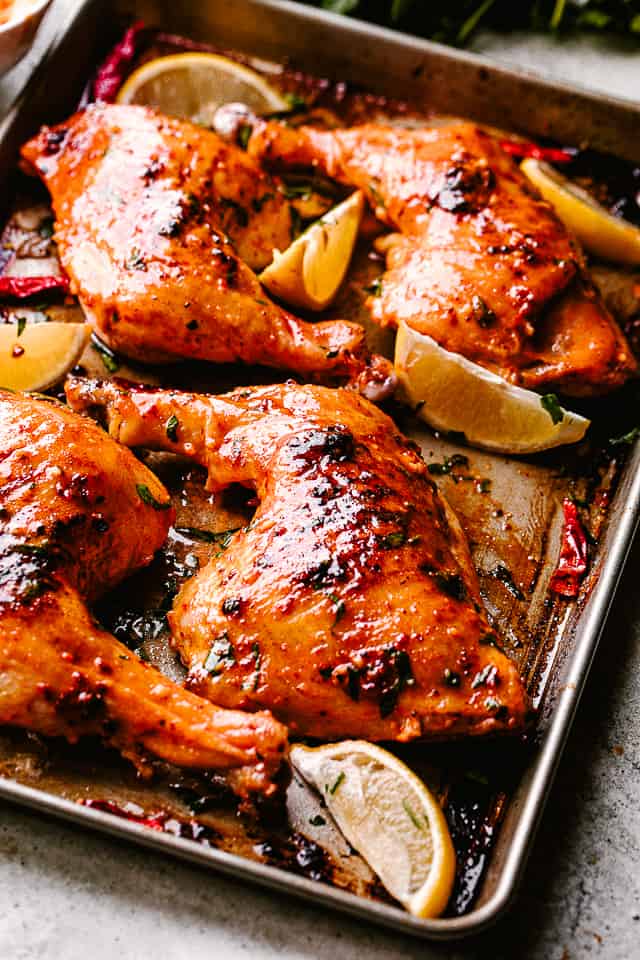
Piri Piri Chicken
A fiery and flavorful Portuguese-African grilled chicken dish, marinated in a spicy piri piri sauce. Perfect for a bold and zesty meal with a side of fresh salad or roasted vegetables.
🥘Ingredients
- 6-8 fresh red chilies (or 2 tbsp piri piri chili flakes)
- 4 cloves garlic, minced
- 1 small red onion, chopped
- 1 red bell pepper, chopped
- 1/4 cup olive oil
- 1/4 cup lemon juice
- 2 tbsp red wine vinegar
- 1 tbsp smoked paprika
- 1 tsp dried oregano
- 1 tsp salt
- 1/2 tsp black pepper
- 1/2 tsp ground cumin
- 4 boneless, skinless chicken breasts (or 8 thighs)
- 2 tbsp olive oil
- 1 tsp salt
- 1 tsp black pepper
- 1 tsp garlic powder
- 1 tsp smoked paprika
- Fresh cilantro, chopped
- Lemon wedges
- Grilled vegetables or salad
👨🍳Directions
-
1 Prepare the piri piri sauce: Combine chilies, garlic, onion, bell pepper, olive oil, lemon juice, vinegar, paprika, oregano, salt, pepper, and cumin in a blender. Blend until smooth. Adjust salt and spice level to taste.
-
2 Marinate the chicken: In a bowl, coat the chicken with olive oil, salt, pepper, garlic powder, and smoked paprika. Pour half of the piri piri sauce over the chicken and mix well. Cover and refrigerate for at least 2 hours (or overnight for deeper flavor).
-
3 Preheat the grill or grill pan to medium-high heat. Lightly oil the grates to prevent sticking.
-
4 Grill the chicken: Place the chicken on the grill and cook for 6-7 minutes per side, basting with the reserved piri piri sauce occasionally, until the internal temperature reaches 165°F (74°C).
-
5 Rest the chicken: Remove from the grill and let it rest for 5 minutes before slicing or serving.
-
6 Serve: Garnish with fresh cilantro and lemon wedges. Serve with grilled vegetables, salad, or crusty bread.
🔧Equipment
- Blender or food processor
- Mixing bowl
- Grill or grill pan
- Tongs
- Basting brush
📊Nutrition Facts (per serving)
📝Notes
Watch Video Of How Piri Piri Chicken Works
Piri piri chicken is one of those recipes that just works every time—spicy enough to feel special but simple enough to make for a weeknight dinner or a big family gathering. The bold flavors and easy prep mean you’ll never regret putting it on the table, whether it’s for a casual cookout or a holiday spread. It’s a crowd-pleaser that keeps people coming back for seconds, and that’s really all you need in a go-to dish.
❓ Frequently Asked Questions About Piri Piri Chicken
1. What is piri piri chicken, and where does it originate from?
Piri piri chicken is a spicy grilled or roasted chicken dish marinated in a sauce made from piri piri (African bird’s eye) chilies, garlic, lemon, and other spices. It originates from Portuguese and African cuisine, particularly Mozambique and Angola, where the piri piri chili was introduced by Portuguese explorers. The dish is now popular worldwide, especially in Portuguese and South African restaurants.
2. Can I make piri piri chicken without fresh piri piri chilies?
Yes! If fresh piri piri chilies are unavailable, you can use dried piri piri chilies, red chili flakes, or even substitute with other hot chilies like bird’s eye or habanero. For a milder version, reduce the amount of chili or use a mix of sweet and hot paprika. Adjust the heat level to your preference while keeping the other flavors (garlic, lemon, and herbs) intact.
3. How long should I marinate the chicken for the best flavor?
For the most flavorful piri piri chicken, marinate the chicken for at least 4 hours, but ideally overnight (8–12 hours). This allows the spices and acidic ingredients (like lemon or vinegar) to tenderize the meat and infuse it deeply with flavor. If you’re short on time, even 1–2 hours will still give good results, though the flavor won’t be as intense.
4. What’s the best way to cook piri piri chicken—grilling, baking, or frying?
All three methods work well, but each gives a slightly different texture: – Grilling (best for smoky, charred flavor) – Cook over medium-high heat for 6–8 minutes per side. – Baking (easiest for even cooking) – Roast at 400°F (200°C) for 25–30 minutes, basting occasionally. – Frying (crispy exterior) – Pan-fry in oil for 5–7 minutes per side until golden and cooked through. For the most authentic taste, grilling is preferred, but baking is the most convenient for home cooks.
5. Can I store leftover piri piri chicken, and how should I reheat it?
Yes, you can store leftover piri piri chicken in an airtight container in the fridge for up to 3–4 days or freeze it for up to 3 months. To reheat: – Oven/Toaster Oven: Warm at 350°F (180°C) for 10–15 minutes to retain moisture. – Microwave: Cover with a damp paper towel and heat in 30-second intervals to prevent drying. – Skillet: Reheat in a pan with a splash of water or broth to keep it juicy. Avoid overcooking to prevent the chicken from becoming tough.
