
recipe canned chicken

The Best recipe canned chicken
I’ve been using canned chicken for years, not because I’m lazy, but because it’s one of those simple ingredients that turns ordinary meals into something special. There’s something about the tender, flavorful texture of canned chicken that makes it feel like a little extra effort—even when you’re just scrambling to get dinner on the table. It’s quick, it’s affordable, and it’s got that protein punch that keeps everyone full without the fuss of marinating or prepping hours ahead. My kids love it because it’s easy to customize—add some cheese, a dash of hot sauce, or just toss it in a bowl with rice and veggies. And honestly, it’s saved me more than one night when I’m running late or just want something hearty but not heavy.
What really makes this recipe stand out is how versatile it is. Whether you’re serving it for a casual weeknight family dinner or a more formal meal with friends, canned chicken works. It’s light enough to pair with salads or grain bowls but hearty enough to stand alone with a side of roasted potatoes or a fresh green salad. And the health benefits? Well, it’s packed with protein, which helps keep everyone’s energy steady, and it’s easy to balance with fresh veggies or whole grains. My husband always says it’s the secret to my cooking—something he can’t get enough of, and honestly, neither can I. It’s that kind of recipe that feels like a no-brainer, but it still feels like a treat. Plus, it’s got that comforting, familiar taste that reminds me of simpler times, and that’s something I appreciate.
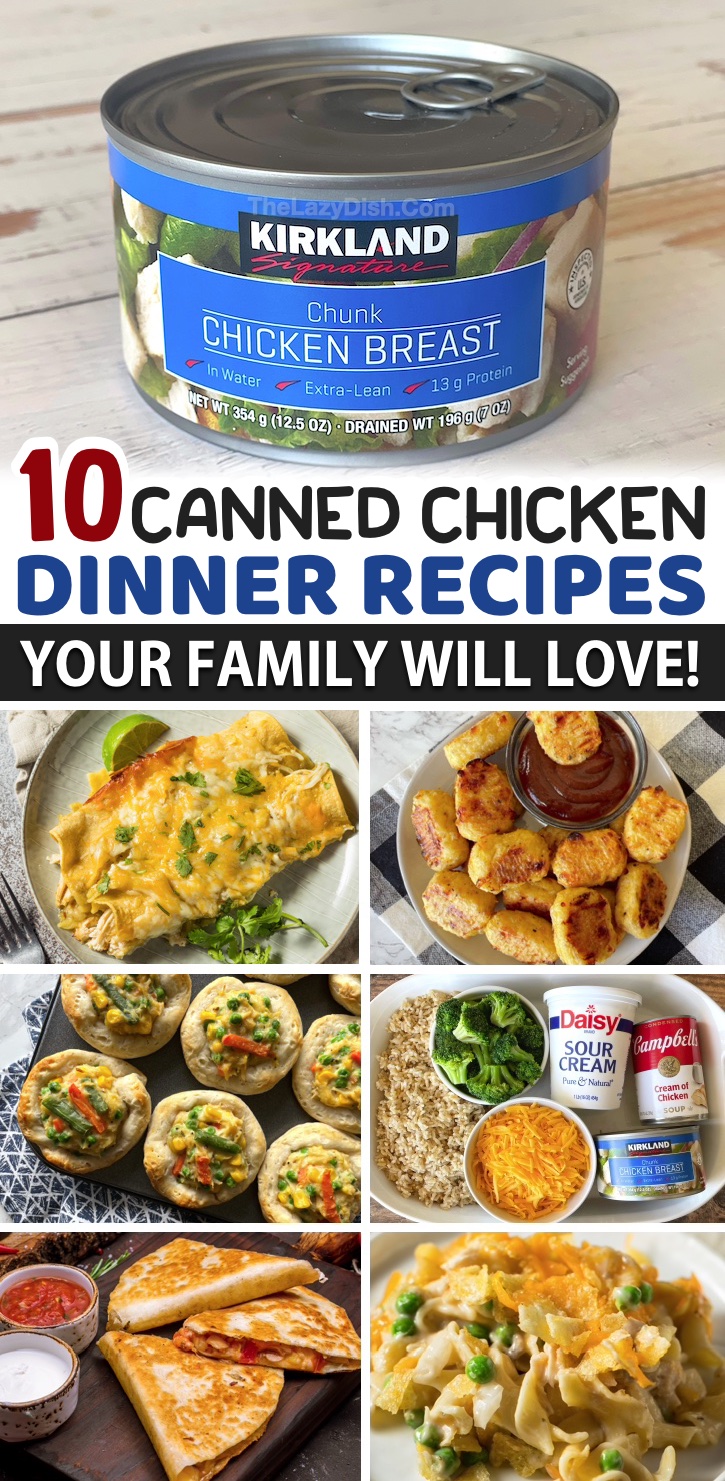
Easy Canned Chicken Pasta
A quick and flavorful one-pot dish featuring canned chicken mixed with pasta, tomato sauce, and herbs for a comforting meal. This recipe is a must-try for any occasion.
🥘Ingredients
- 8 oz (225g) pasta (penne, fusilli, or any short pasta)
- 1 tbsp olive oil
- 1 (15 oz / 425g) can chicken, drained
- 1 cup (240ml) tomato sauce
- 1 small onion, finely chopped
- 2 cloves garlic, minced
- 1 tsp dried oregano
- 1 tsp dried basil
- ½ tsp red pepper flakes (optional)
- 1 cup (240ml) chicken broth
- ½ cup (120ml) grated Parmesan cheese (optional)
- Salt and black pepper to taste
- Fresh parsley, chopped
- Red pepper flakes
- Extra grated Parmesan cheese
👨🍳Directions
-
1 Bring a large pot of salted water to a boil. Cook pasta according to package instructions until al dente. Drain and set aside.
-
2 In a medium saucepan, heat olive oil over medium heat. Sauté onion and garlic until soft (about 3 minutes). Add oregano, basil, and red pepper flakes; cook for 1 minute.
-
3 Add drained chicken, tomato sauce, and chicken broth to the saucepan. Simmer for 10 minutes, stirring occasionally. Season with salt and pepper to taste.
-
4 Return cooked pasta to the saucepan. Stir in Parmesan cheese (if using) and mix well. Cook for another 2 minutes to heat through.
-
5 Garnish with fresh parsley, red pepper flakes, and extra Parmesan cheese before serving.
🔧Equipment
- Large pot
- Medium saucepan
- Knife and cutting board
- Colander
- Wooden spoon
- Measuring cups/spoons
📊Nutrition Facts (per serving)
📝Notes
Watch Video Of How Easy Canned Chicken Pasta Works
This canned chicken recipe is a lifesaver for busy families because it’s quick, easy, and always ready when you need it—whether it’s for a quick weeknight dinner or a last-minute meal prep for a big family gathering. It’s flexible enough to mix into salads, soups, or even just eat straight from the can with a side of rice or pasta, so there’s no stress over complicated prep. Plus, it’s perfect for when you’re hosting because it lets everyone sit down to eat without the fuss of cooking from scratch.
❓ Frequently Asked Questions About Canned Chicken Pasta
1. What ingredients do I need to make canned chicken taste fresh and flavorful? To make canned chicken taste fresh and flavorful, you’ll need high-quality canned chicken (preferably boneless, skinless), a mix of aromatic ingredients like garlic, onions, fresh herbs (such as parsley or cilantro), lemon juice, olive oil, and a savory base like soy sauce, Worcestershire sauce, or a homemade chicken broth. Adding spices like smoked paprika, cumin, or black pepper can also enhance the flavor. For extra richness, consider adding a splash of cream or a dash of hot sauce.
2. Can I use any type of canned chicken in this recipe? Yes, you can use most types of canned chicken, including chicken breast, thighs, or even rotisserie chicken (if drained well). However, for the best texture and flavor, opt for boneless, skinless chicken in water or broth. Avoid chicken in heavy sauces (like tomato-based or cream-based) if you want a cleaner taste, as they can make the dish too rich or thick.
3. How do I prevent canned chicken from getting soggy when cooking it? To avoid sogginess, pat the canned chicken dry with paper towels before cooking to remove excess moisture. Cook it in a non-stick skillet or baking dish with a bit of oil or butter to create a barrier. Stir-frying or baking at a moderate temperature (around 375°F/190°C) for a shorter duration also helps maintain crispiness. If using it in soups or stews, strain it first to remove liquid before adding it back.
4. What are some great ways to serve canned chicken besides salads? Canned chicken is incredibly versatile! You can use it in wraps with hummus, tzatziki, and fresh veggies, or in grain bowls with quinoa, roasted potatoes, and avocado. For a quick meal, mix it with rice, beans, and salsa for a tacos or burrito bowl. It also works well in pasta dishes (like chicken Alfredo or pasta salad) or as a topping for toast with melted cheese and sriracha mayo. Even a simple grilled cheese with canned chicken and a drizzle of hot sauce is delicious!
5. How long does canned chicken last after opening the can? Once you open a can of chicken, it should be refrigerated immediately. If stored properly in an airtight container, it can last for 3–4 days before it starts to spoil. For best quality, consume it within 2 days for optimal taste and texture. If you won’t use it all right away, consider freezing portions for up to 3 months (though texture may change slightly upon thawing). Always check for signs of spoilage like a sour smell, slimy texture, or discoloration.
