
rice recipe for curry chicken

The Best rice recipe for curry chicken
Rice has always been my go-to side for curry chicken—not just because it’s simple to make, but because it pairs perfectly with the rich, spiced flavors of the dish. I love how a bowl of fluffy basmati rice soaks up all those garlic, ginger, and coconut milk notes without overpowering them. My family adores it too, especially the kids, who’ll eat their plates clean if there’s a little extra butter in the rice. It’s not just comforting; it’s balanced—carbs for energy, protein from the chicken, and healthy fats from the coconut milk that make it feel indulgent but still light enough for a meal.
This recipe works for every occasion. Whether it’s a weeknight dinner after a long day or a special family gathering, the rice makes the meal feel complete. My husband always says it’s the one thing that ties everything together—no fancy sides needed. And the health perks? Rice is a great source of B vitamins, fiber (if you use whole grains), and it’s low in fat compared to other fried dishes. It’s filling without being heavy, and the coconut milk adds a creamy touch that keeps the meal satisfying. Plus, it’s easy to customize—swap basmati for jasmine, add a little turmeric for color, or even stir in some fresh cilantro. It’s that kind of recipe that feels like home, no matter how you make it.
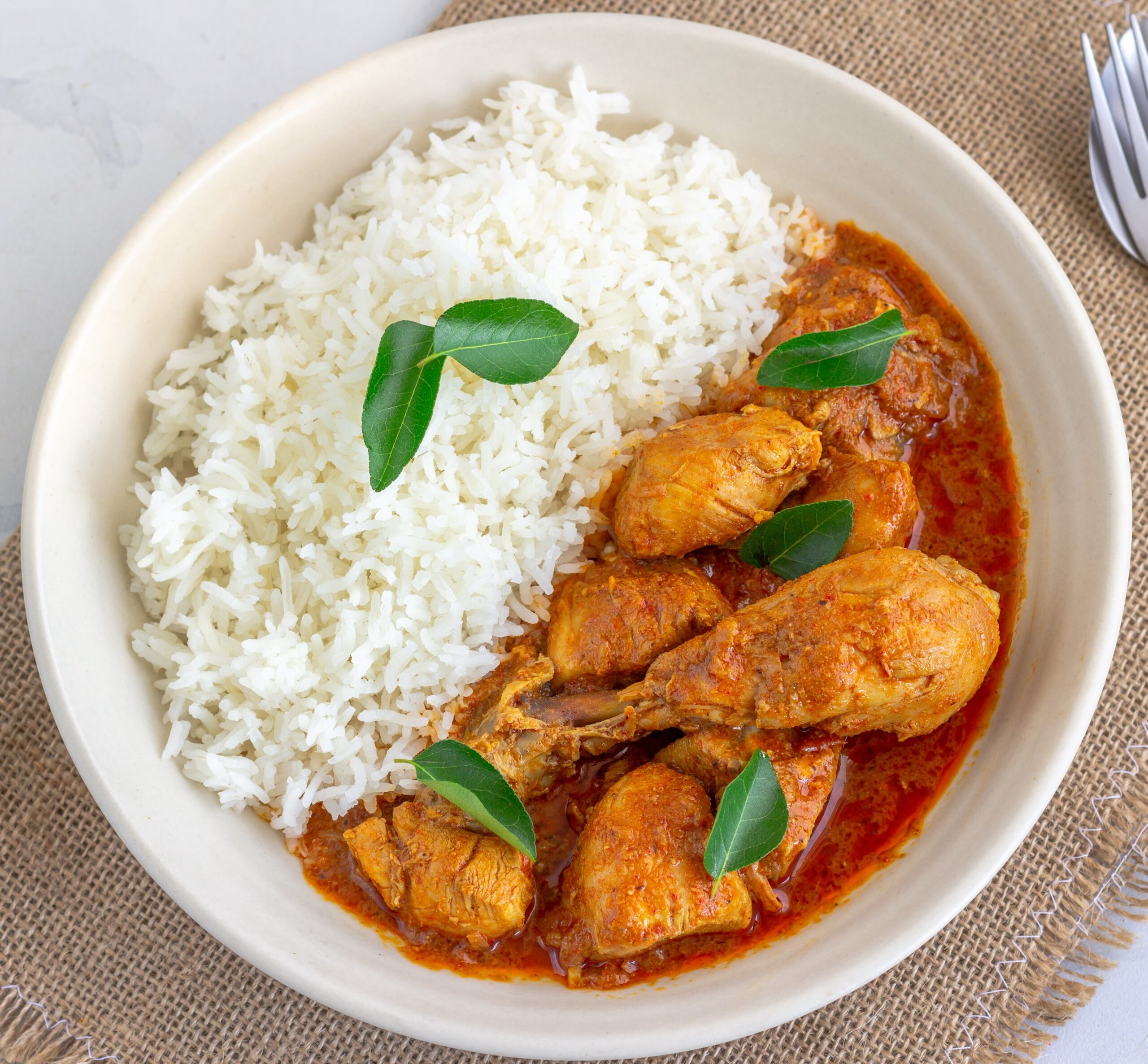
Coconut Curry Chicken with Jasmine Rice
A flavorful and aromatic dish featuring tender chicken pieces simmered in a rich coconut curry sauce, paired with fragrant jasmine rice. This recipe is a must-try for any occasion.
🥘Ingredients
- 2 cups jasmine rice
- 4 cups water
- 1 tbsp butter
- 1 tsp salt
- 1.5 lbs boneless chicken thighs or breasts
- 2 tbsp vegetable oil
- 1 large onion, finely chopped
- 3 cloves garlic, minced
- 2 tbsp fresh ginger, grated
- 1 red bell pepper, diced
- 1 can (14 oz) diced tomatoes
- 1 can (14 oz) coconut milk
- 1 tbsp curry powder
- 1 tsp turmeric
- 1 tsp cumin
- 1 tsp coriander
- 1 tsp garam masala
- 1 tbsp soy sauce
- 1 tbsp lime juice
- Salt and pepper to taste
👨🍳Directions
-
1 Rinse the jasmine rice under cold water, then drain. In a pot, bring 4 cups of water to a boil, add salt, and cook the rice for 15 minutes. Remove from heat, cover, and let it sit for 10 minutes. Set aside.
-
2 In a skillet, heat vegetable oil over medium heat. Add chopped onion and sauté until golden brown. Add garlic, ginger, and bell pepper; cook for another 3 minutes.
-
3 Add diced tomatoes, coconut milk, curry powder, turmeric, cumin, coriander, garam masala, and soy sauce. Simmer for 10 minutes.
-
4 Add chicken pieces to the skillet, ensuring they are coated in the sauce. Cook for 10-12 minutes or until chicken is fully cooked. Stir in lime juice and season with salt and pepper.
-
5 Divide the cooked rice evenly among plates. Place the curry chicken on top of the rice. Garnish with fresh cilantro if desired.
🔧Equipment
- Large pot
- Skillet or frying pan
- Mixing bowls
- Knife and cutting board
- Measuring cups and spoons
📊Nutrition Facts (per serving)
📝Notes
Watch Video Of How Coconut Curry Chicken with Jasmine Rice Works
This curry chicken with rice is always a solid choice for any gathering because it’s hearty, flavorful, and easy to scale up—whether you’re feeding a small family or a crowd. The rice soaks up all the rich, spiced broth from the chicken, making every bite satisfying, and the dish feels special without needing fancy techniques. It’s the kind of meal that’s simple to prepare ahead, keeps well, and never disappoints, so it’s my go-to for casual dinners or when you want something comforting and delicious without the stress.
❓ Frequently Asked Questions About Coconut Curry Chicken with Jasmine Rice
What is the best type of rice to use for curry chicken and why?
The best type of rice to use for curry chicken is typically basmati rice or long-grain white rice. Basmati rice has a delicate texture and absorbs flavors well, making it ideal for pairing with rich curry sauces. Long-grain white rice also works well, as it remains fluffy and separate when cooked. Avoid short-grain or sticky rice, as they can turn mushy and lose their shape when mixed with curry gravy.
—
How do I ensure my rice is perfectly cooked for curry chicken without overcooking or undercooking?
To achieve perfectly cooked rice for curry chicken, follow these steps: 1. Rinse the rice thoroughly under cold water until the water runs clear to remove excess starch. 2. Use a 1:1.25 to 1:1.5 rice-to-water ratio (e.g., 1 cup rice to 1 ¼ to 1 ½ cups water). 3. Bring the water to a boil, then reduce heat to a gentle simmer. 4. Cover with a tight lid and cook for 12–15 minutes (basmati) or 14–16 minutes (long-grain white rice). 5. Let it sit covered off the heat for 5–10 minutes before fluffing with a fork to release steam and prevent sticking.
—
Can I use pre-cooked rice for curry chicken, and if so, what’s the best way to adjust the recipe?
Yes, you can use pre-cooked rice, but it’s best to lightly steam or reheat it to restore its texture. For the best results: – If using freshly cooked rice, spread it on a tray and steam for 5–7 minutes to prevent clumping. – If using frozen rice, thaw it first and steam for 10–12 minutes to avoid sogginess. – Adjust the curry sauce slightly—pre-cooked rice can absorb more liquid, so reduce the gravy by 1–2 tablespoons if needed to prevent wateriness.
—
How can I prevent my curry chicken rice from becoming mushy or sticking together?
To keep your curry chicken rice fluffy and separate: 1. Cook the rice first (as described above) and let it rest covered before adding the curry. 2. Use a light hand with the curry sauce—start with a smaller amount and adjust seasoning gradually. 3. Stir gently when combining rice and curry to avoid breaking grains; let it sit for 5 minutes before serving. 4. Avoid overcrowding the pan—cook the curry chicken separately and add rice in batches if needed. 5. If the rice feels sticky, sprinkle a little cold water while reheating (just enough to loosen it without soaking).
—
What are some common mistakes people make when making curry chicken rice, and how can they be avoided?
Common mistakes include: 1. Using the wrong rice ratio—too much water makes rice gummy, while too little leaves it dry. Stick to 1:1.25 to 1:1.5 for long-grain rice. 2. Skipping the resting time—letting rice sit covered after cooking ensures even cooking and prevents sticking. 3. Overcooking the curry—simmering too long can make the sauce thick and the rice mushy. Taste and adjust seasoning as you go. 4. Mixing hot rice with cold curry—this causes the rice to absorb too much moisture. Let the curry cool slightly before combining. 5. Ignoring the rice-to-water ratio for the curry—if the gravy is too thin, the rice may turn soggy. Use a 1:1.5 to 1:2 sauce-to-rice ratio for balanced texture.
