
summer chicken thigh recipe

- The Best summer chicken thigh recipe
- Summer Roasted Chicken Thighs with Lemon-Herb Glaze
- 🥘Ingredients
- 👨🍳Directions
- 🔧Equipment
- 📊Nutrition Facts (per serving)
- 📝Notes
- Watch Video Of How Summer Roasted Chicken Thighs with Lemon-Herb Glaze Works
- ❓ Frequently Asked Questions About Summer Roasted Chicken Thighs with Lemon-Herb Glaze
The Best summer chicken thigh recipe
Summer is when I start pulling out the slow cooker and my favorite crispy chicken thighs—nothing beats the first crispy skin after a day in the sun. These thighs are so tender and packed with flavor, they’re basically the perfect protein for any meal, whether it’s a casual weeknight dinner or a little something extra for a family gathering. My kids love them because they’re juicy and easy to eat, and honestly, I don’t think they’ve ever complained about a meal that comes out of the oven this way. The health benefits are a plus too—lean protein without all the extra fat, and the spices keep things flavorful without heavy sauces. Plus, they reheat beautifully, so I always have a stash ready for when life gets busy. Nothing beats a simple, satisfying meal that everyone actually enjoys.
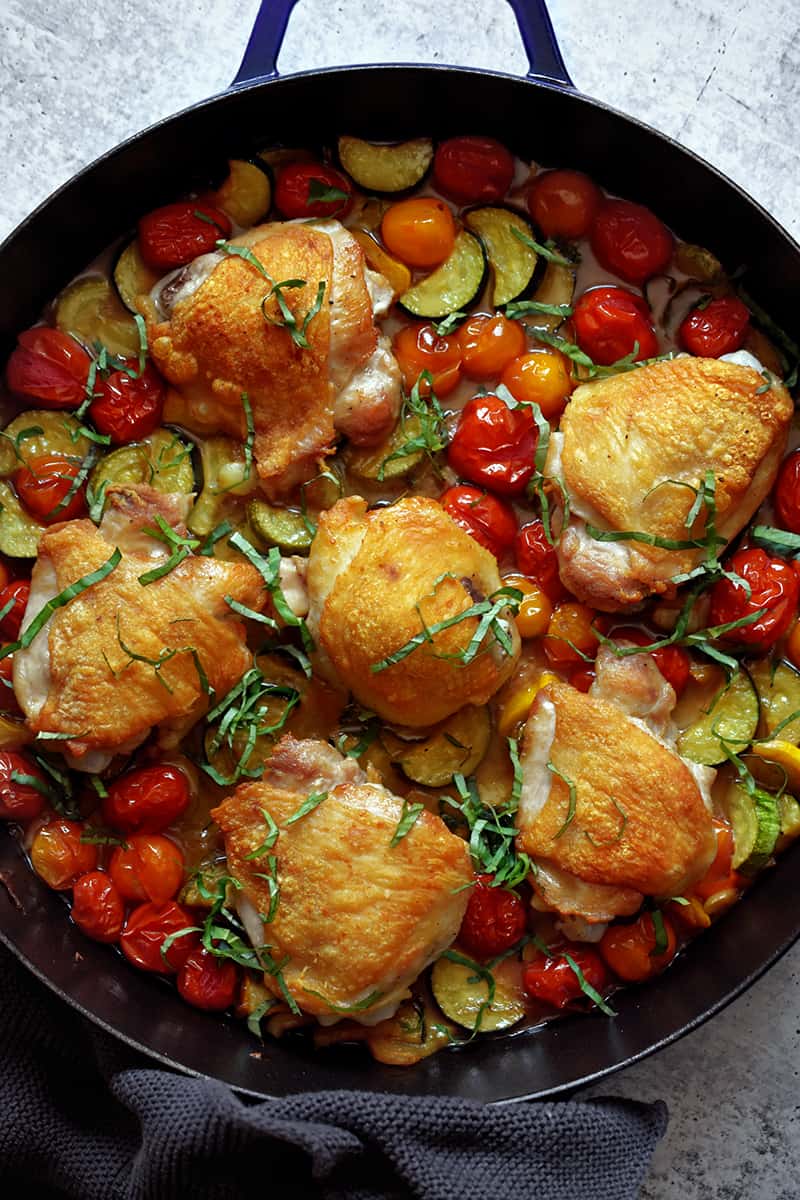
Summer Roasted Chicken Thighs with Lemon-Herb Glaze
Juicy, flavorful chicken thighs glazed with a bright lemon-herb sauce, perfect for a refreshing summer meal. Light yet satisfying, these thighs are seasoned simply yet beautifully.
🥘Ingredients
- 6 bone-in, skin-on chicken thighs
- 2 tbsp olive oil
- 1 tsp smoked paprika
- 1 tsp dried thyme
- 1 tsp garlic powder
- ½ tsp salt
- ½ tsp black pepper
- 3 tbsp fresh lemon juice
- 2 tbsp honey
- 2 cloves garlic, minced
- 2 tbsp chopped fresh parsley
- 1 tbsp fresh dill, chopped
- 1 tsp Dijon mustard
- 1 cup cherry tomatoes, halved
- 1 small red onion, sliced
- Freshly cracked black pepper
👨🍳Directions
-
1 Preheat oven to 400°F (200°C). Line a baking sheet with parchment paper.
-
2 In a bowl, toss chicken thighs with olive oil, smoked paprika, thyme, garlic powder, salt, and black pepper until evenly coated.
-
3 Arrange thighs on the baking sheet, skin-side up. Bake for 20 minutes.
-
4 While chicken bakes, prepare the glaze: In a small saucepan, heat lemon juice, honey, minced garlic, parsley, dill, and Dijon mustard over medium heat until honey is melted (~3 mins). Remove from heat.
-
5 After 20 minutes, add cherry tomatoes and red onion to the baking sheet. Bake for another 15–20 minutes, basting thighs with the glaze every 5 minutes.
-
6 Increase oven temperature to 425°F (220°C) for the final 5 minutes to crisp the skin.
-
7 Serve immediately with extra glaze drizzled over the top and fresh black pepper.
🔧Equipment
- Mixing bowl
- Cutting board
- Knife
- Baking sheet
- Oven
- Mixing spoon
- Small saucepan
📊Nutrition Facts (per serving)
📝Notes
Watch Video Of How Summer Roasted Chicken Thighs with Lemon-Herb Glaze Works
This summer chicken thigh recipe is always a crowd-pleaser because it’s simple yet packed with flavor—no fussing over marinades or extra steps, just tender meat and bright herbs that shine when you’re hosting. It’s perfect for family gatherings because it serves well in a pinch, whether you’re feeding a big crowd or just whipping up a quick meal after the kids are in bed. Plus, the crispy skin stays intact without needing fancy techniques, so you don’t have to stress over perfection.
❓ Frequently Asked Questions About Summer Roasted Chicken Thighs with Lemon-Herb Glaze
1. What are the key ingredients for the best summer chicken thigh recipe?
The key ingredients for the best summer chicken thighs typically include boneless, skinless chicken thighs (for juiciness), a flavorful marinade or sauce (like soy sauce, garlic, ginger, honey, and a touch of citrus), and fresh herbs such as cilantro or parsley. For extra crispiness, you might also add cornstarch or arrowroot powder. Seasonings like black pepper, salt, and a pinch of red pepper flakes can enhance the flavor profile.
—
2. How long should I marinate the chicken thighs before cooking?
For optimal flavor absorption, marinate the chicken thighs for at least 30 minutes to 2 hours, depending on preference. Longer marinating times (up to 4–6 hours in the refrigerator) allow the flavors to penetrate deeper, but avoid leaving them overnight to prevent bacterial growth. If using a quick marinade, even 15–20 minutes can make a noticeable difference.
—
3. What’s the best way to cook summer chicken thighs for maximum tenderness and flavor?
For the best results, pan-sear or bake the chicken thighs. First, pat them dry and season generously with salt and pepper. Heat a skillet or baking dish over medium-high heat, then cook the thighs skin-side down for 5–6 minutes until golden. Flip and cook for another 4–5 minutes (or until internal temperature reaches 165°F/74°C). For extra moisture, baste with the pan juices or a light glaze before serving. Alternatively, bake at 375°F (190°C) for 20–25 minutes, basting halfway.
—
4. Can I substitute any ingredients in the summer chicken thigh recipe, and if so, what are the best alternatives?
Yes! Here are some common substitutions: – Chicken thighs → Use boneless, skinless breasts (but they’ll be drier; add extra marinade time or pan-fry longer). – Soy sauce → Swap for tamari (gluten-free) or coconut aminos. – Honey → Use maple syrup, agave, or brown sugar for sweetness. – Garlic & ginger → Replace with minced shallots or a dash of garlic powder. – Fresh herbs → Dried herbs (like oregano or thyme) work in smaller amounts. For crispier skin, try frying in oil at 350°F (175°C) for 5–6 minutes before baking.
—
5. How do I ensure the chicken thighs stay juicy after cooking?
To keep summer chicken thighs juicy: – Don’t overcook—pull them out when they reach 165°F (74°C); they’ll continue cooking slightly. – Baste frequently—use the pan juices or a light glaze (like teriyaki or hoisin) to add moisture. – Rest briefly—let them sit for 2–3 minutes after cooking before serving to redistribute juices. – Use a meat thermometer—overcooked thighs dry out quickly, while undercooked ones are unsafe. – Skip the salt in the marinade (or reduce it) if using a wet glaze, as excess salt can draw out moisture.
