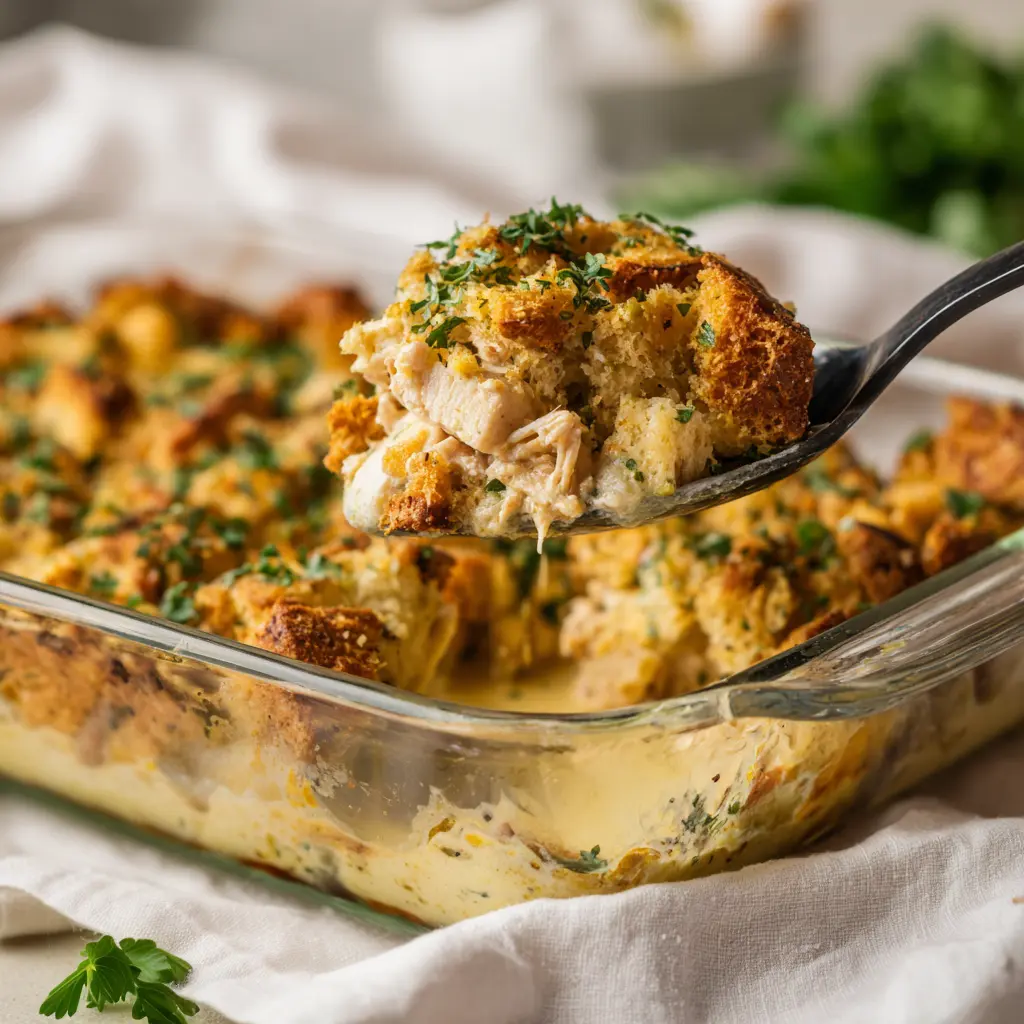
traditional chicken shawarma recipe

The Best traditional chicken shawarma recipe
Chicken shawarma has been a staple in my kitchen for years, and it’s one of those dishes that feels like a hug for my family—simple, flavorful, and always a hit. There’s something about the tender, marinated chicken that makes it so satisfying, whether we’re making it for a casual weeknight dinner or a more formal gathering. My kids love it because it’s easy to customize—add some pickles, onions, or extra sauce if they want, and it’s always fun to see who’s going to try the spiciest version. It’s that kind of dish that doesn’t take a lot of effort but always leaves everyone happy. Plus, it’s flexible enough to serve as a main or a side, making it perfect for anything from a quick lunch to a full meal.
I love this recipe because it’s packed with real flavor without being overly complicated. The marinade does most of the work, giving the chicken that deep, aromatic taste that’s hard to find in takeout. My family especially enjoys how it holds up well—whether we’re eating it fresh or reheating it later, the chicken stays juicy and the flavors stay bright. It’s a great way to use up extra veggies or herbs we have in the fridge, and the whole thing comes together in under an hour, which is a huge plus when life gets busy. Plus, it’s got some real health benefits too—lean protein, fiber from the veggies, and healthy fats from the olive oil in the marinade. It’s not just tasty; it’s smart eating too. And honestly, there’s nothing better than a good, solid meal that everyone can get behind, no matter what’s going on.

Traditional Chicken Shawarma
A flavorful Middle Eastern dish featuring marinated and grilled chicken served in warm flatbread with a tangy sauce and fresh toppings. This recipe is a must-try for any occasion.
🥘Ingredients
- 2 lbs boneless chicken thighs
- 1 cup yogurt (Greek or regular)
- 1/2 cup lemon juice
- 3 cloves garlic, minced
- 1 tsp ground cumin
- 1 tsp ground coriander
- 1 tsp paprika
- 1 tsp turmeric
- 1 tsp salt
- 1/2 tsp black pepper
- 1 tbsp olive oil
- 2 cups all-purpose flour
- 1 tsp salt
- 1 tsp sugar
- 1 packet active dry yeast
- 1 cup warm water
- 1 tbsp olive oil
- 1 cup tomato sauce
- 1/2 cup plain yogurt
- 1 clove garlic, minced
- 1 tbsp lemon juice
- 1 tsp sugar
- Salt and pepper to taste
- Fresh parsley, chopped
- Fresh mint, chopped
- Red onion, thinly sliced
- Pickles (dill or vinegar-based)
- Olive oil
👨🍳Directions
-
1 Prepare the marinade: In a bowl, mix yogurt, lemon juice, garlic, cumin, coriander, paprika, turmeric, salt, pepper, and olive oil. Set aside.
-
2 Marinate the chicken: Cut chicken into bite-sized pieces. Place in a large bowl, pour the marinade over, and coat evenly. Cover and refrigerate for at least 4 hours (or overnight).
-
3 Prepare the flatbread: In a bowl, dissolve yeast in warm water with a pinch of sugar. Let it sit for 5 minutes until foamy. Mix in flour, salt, and olive oil. Knead for 5-7 minutes until smooth. Cover and let rise for 1 hour or until doubled in size.
-
4 Cook the flatbread: Divide the dough into 8 equal portions. Roll each into a thin circle. Heat a pan on medium heat, lightly brush with oil, and cook each flatbread for 1-2 minutes per side until golden.
-
5 Cook the chicken: Preheat grill or grill pan to medium-high heat. Remove chicken from marinade (reserve marinade) and grill or pan-fry for 8-10 minutes, turning occasionally, until fully cooked and slightly charred.
-
6 Prepare the sauce: In a pan, heat tomato sauce, yogurt, garlic, lemon juice, sugar, salt, and pepper. Simmer for 5 minutes until slightly thickened.
-
7 Assemble shawarma: Place cooked chicken on flatbread. Spread sauce evenly over the chicken. Top with parsley, mint, red onion, pickles, and drizzle with olive oil.
🔧Equipment
- Mixing bowls
- Kitchen shears
- Oven
- Grill pan or grill
- Cutting board
- Knife
- Large skillet or frying pan
- Mixing spoons
- Measuring cups and spoons
📊Nutrition Facts (per serving)
📝Notes
Watch Video Of How Traditional Chicken Shawarma Works
This traditional chicken shawarma recipe is a reliable crowd-pleaser because it’s simple enough to make ahead and reheat, yet packed with bold flavors that never disappoint. Whether you’re feeding a big family dinner or just craving something hearty after a long day, the tender meat and aromatic spices keep it fresh and satisfying without needing fancy techniques. It’s the kind of dish that feels comforting and homemade, making it perfect for any occasion where you want something flavorful and easy to serve.
❓ Frequently Asked Questions About Chicken Shawarma
What is the key difference between traditional shawarma and other fried chicken dishes like fried chicken or chicken parmesan?
In traditional shawarma, the chicken is thinly sliced, marinated in a blend of yogurt, spices, and lemon, then grilled or fried in a thin layer to achieve a crispy yet tender texture. Unlike fried chicken (which is typically deep-fried and coated in a thick batter or breadcrumbs) or chicken parmesan (which features breaded chicken topped with cheese sauce), shawarma focuses on a lighter, more flavorful marinade and a delicate, almost shredded consistency.
Why is yogurt an essential ingredient in the shawarma marinade, and what role does it play?
Yogurt is crucial in shawarma marinade because it tenderizes the chicken by breaking down proteins, making it more tender and juicy. It also helps balance the spices, adds a slight tanginess, and acts as a natural emulsifier, helping the marinade stick to the meat. Additionally, yogurt’s moisture content prevents the chicken from drying out during marinating and cooking, ensuring a moist and flavorful result.
How long should the chicken be marinated before cooking, and what if I don’t have time for an overnight marinade?
For the best flavor, marinate the chicken for at least 4 hours (or ideally overnight) in the fridge. If you’re short on time, a minimum of 2 hours in the refrigerator will still yield good results, though the flavor and tenderness will be slightly less optimal. For a quick version, you can marinate in the marinade for 1–2 hours at room temperature, but this may require slightly more cooking to ensure the chicken is fully cooked.
What spices are typically used in a traditional shawarma marinade, and can I substitute any of them?
A classic shawarma marinade includes: – Ground cumin (essential for earthy depth) – Paprika (for a smoky flavor) – Garlic powder (or fresh minced garlic) – Onion powder (or finely grated raw onion) – Turmeric (for color and slight earthiness) – Coriander powder (or fresh grated coriander) – Salt (to enhance seasoning) – Black pepper (for a subtle kick) – Lemon juice or vinegar (to brighten the flavor)
You can adjust quantities based on taste, but avoid heavy substitutions—some spices (like turmeric) are more about color and flavor balance than taste. If you’re missing a key spice, a pinch of chili powder or cinnamon can add warmth, though traditional shawarma leans toward warm, aromatic spices.
How do you achieve the perfect balance between crispy and tender shawarma? The chicken seems either too soft or too hard.
The secret lies in thin slicing, proper marinating, and controlled cooking: 1. Slicing: Cut the chicken very thinly (about ¼-inch thick) to ensure even cooking and crispiness. Use a sharp knife and slice against the grain for tenderness. 2. Marinating: The yogurt and acidity in the marinade tenderize the meat, so avoid overcooking it before frying. 3. Frying technique: – Heat the oil to medium-high temperature (around 350–375°F / 175–190°C). – Fry the chicken in small batches for 2–3 minutes per side until golden and crispy but still slightly pink inside (shawarma is usually cooked to 165°F / 74°C internal temp). – Drain on a wire rack or paper towels to remove excess oil for crispiness. 4. Resting: Let the shawarma rest for 5 minutes before serving to redistribute juices. If your shawarma is too soft, it may have been overcooked or the marinade wasn’t acidic enough. If it’s too hard, ensure the oil was hot enough and the chicken wasn’t overcrowded in the pan. A mix of grilling (for a softer texture) and frying (for crispiness) can also work—just adjust the cooking time accordingly.