chicken shawarma seasoning recipe

The Best chicken shawarma seasoning recipe
Chicken shawarma seasoning has been a staple in my kitchen for years, ever since my late husband used to make it for our family dinners—simple, flavorful, and something that just feels right when you’re cooking. There’s something about that warm, spiced blend that makes the chicken taste like it’s been kissed by Middle Eastern spices, and it’s not just a meal, it’s a comfort. My kids—now grown but still picky eaters—used to groan when I first introduced it, but after a few bites, they’d ask for seconds. Now, it’s a go-to for weeknight dinners, weekend gatherings, or even just a quick lunch when we’re all craving something fresh and exciting. It’s the kind of recipe that feels special when you serve it at a potluck or a family barbecue, but it’s also so easy to make that you can whip it up in under thirty minutes without any fuss.
What I love most about this seasoning is how balanced it is—it’s not too heavy, not too sweet, and the blend of garlic, cumin, coriander, and paprika gives it that perfect depth without overpowering. My kids and I have noticed how good it is for us too. The spices are packed with nutrients—garlic boosts immunity, cumin aids digestion, and paprika has antioxidants that help fight inflammation. It’s a way to sneak some real flavor into meals without all the extra salt or processed junk. Plus, the chicken itself is lean and versatile, so you can serve it with everything from simple cucumber salad to warm pita and hummus, making it a meal that’s as satisfying as it is healthy. It’s that kind of recipe that makes you feel like you’re doing something good for your family, even if it’s just a quick weeknight dinner.
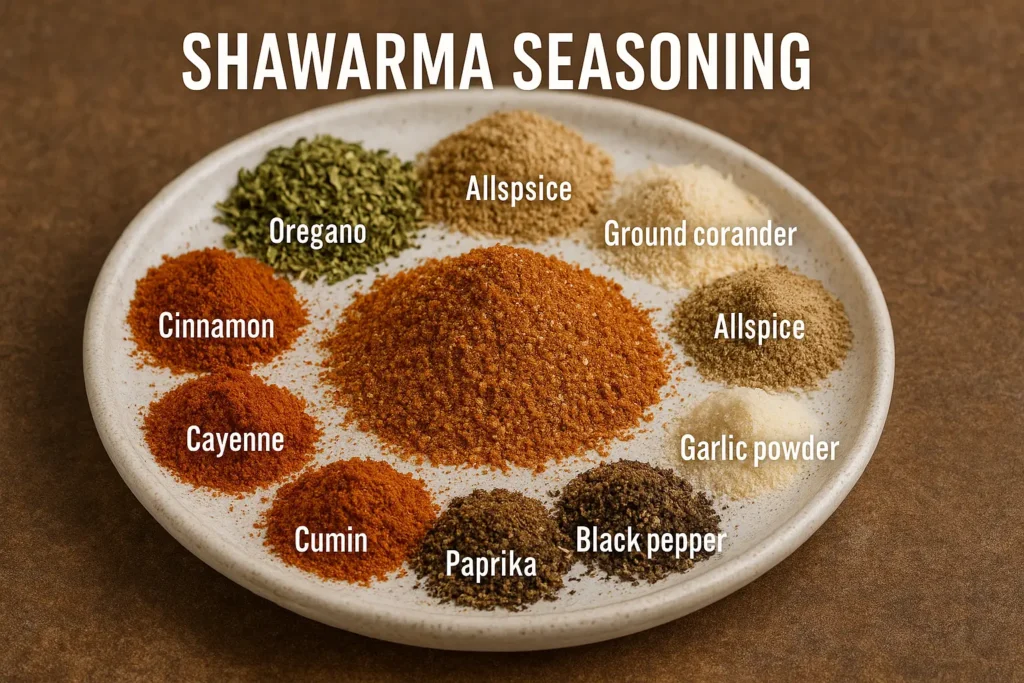
Ultimate Homemade Chicken Shawarma Seasoning
A flavorful blend of spices to season chicken for shawarma, delivering a perfect mix of garlic, cumin, coriander, and paprika for a restaurant-quality taste. This recipe is a must-try for any occasion.
🥘Ingredients
- 3 tbsp ground cumin
- 3 tbsp ground coriander
- 2 tbsp smoked paprika
- 2 tbsp garlic powder
- 2 tbsp onion powder
- 1 tbsp dried oregano
- 1 tbsp dried thyme
- 1 tsp black pepper
- 1 tsp salt
- 1 tsp cayenne pepper (adjust for heat preference)
- 1 tsp turmeric
- 1 tsp ground ginger
- 1 tsp cinnamon (optional, for warmth)
- 1 tbsp lemon zest (optional, for brightness)
- 1 tbsp olive oil (for binding)
👨🍳Directions
-
1 In a bowl, combine all core spices: cumin, coriander, smoked paprika, garlic powder, onion powder, oregano, thyme, black pepper, and salt.
-
2 Whisk in cayenne pepper, turmeric, and ginger for depth and heat.
-
3 Add cinnamon (if using) and lemon zest for extra flavor complexity.
-
4 Drizzle olive oil over the spice mixture and stir until fully combined and evenly coated.
🔧Equipment
- Medium mixing bowl
- Whisk or spoon
- Measuring spoons
📊Nutrition Facts (per serving)
📝Notes
Watch Video Of How Ultimate Homemade Chicken Shawarma Seasoning Works
This chicken shawarma seasoning recipe is a lifesaver for anyone who wants quick, flavorful meals without the fuss. It’s perfect for busy weeknights or when you need something hearty for family gatherings, because it’s simple enough to make ahead and keeps the flavors bold without needing extra effort. Plus, it’s adaptable—works great with grilled, fried, or even baked chicken, so it’s always a crowd-pleaser no matter the occasion.
❓ Frequently Asked Questions About Chicken Shawarma Seasoning
What is the best way to prepare chicken shawarma seasoning for homemade shawarma sandwiches?
To achieve the best flavor, start by mixing 1 tsp ground cumin, 1 tsp coriander powder, ½ tsp paprika (smoked or sweet), ½ tsp turmeric, ½ tsp garlic powder, ½ tsp onion powder, ½ tsp black pepper, ½ tsp salt, ¼ tsp cayenne pepper (optional for heat), and 1 tsp lemon zest (or 1 tbsp lemon juice) in a bowl. For extra depth, add 1 tbsp yogurt or 1 tbsp tahini while mixing. Marinate the chicken in this blend for at least 1 hour (or overnight) before cooking to let the flavors penetrate.
—
How can I adjust the spice level in the shawarma seasoning if I prefer it milder?
To reduce heat, simply remove or reduce the cayenne pepper (start with ¼ tsp instead of ½ tsp) and cut back on smoked paprika if using. Alternatively, add 1 tsp honey or brown sugar to balance the spices. If the seasoning feels too dry, increase the moisture by adding 1 tbsp yogurt, olive oil, or a splash of water while mixing.
—
Can I use dried herbs instead of fresh in the shawara seasoning, and if so, which ones work best?
Yes! For dried herbs, focus on ground coriander, cumin, and garlic powder as the core flavors. If you want a fresher taste, add 1 tsp dried parsley or dill (or 1 tbsp chopped fresh parsley). Avoid using whole dried herbs like oregano or thyme, as they won’t blend as smoothly into the marinade. For extra aroma, lightly toast 1 tsp ground fenugreek (optional) before mixing.
—
How do I cook the chicken shawarma properly to ensure it’s tender and flavorful?
For tender chicken, marinate the sliced chicken (boneless thighs or breasts work best) in the shawarma seasoning for at least 1 hour (or overnight for deeper flavor). Then, pan-sear in a hot skillet with 1 tbsp olive oil for 3–4 minutes per side until golden. Alternatively, grill or bake at 375°F (190°C) for 20–25 minutes, flipping halfway. Avoid overcooking—chicken should be 165°F (74°C) internally. For extra juiciness, finish with a squeeze of lemon juice and a drizzle of tahini or yogurt.
—
What are some common mistakes people make when making chicken shawarma seasoning, and how can they be avoided?
1. Skipping the yogurt/tahini – This makes the seasoning clumpy and weakens flavor. Always include 1 tbsp yogurt or tahini for moisture and richness. 2. Overloading spices – Too many spices can overpower the dish. Stick to 1–2 tbsp total (or follow a balanced ratio like 1:1:1 cumin:cumin:other spices). 3. Not marinating long enough – Chicken needs at least 1 hour to absorb flavors; overnight is ideal. 4. Using too much salt – Salt can make the chicken dry. Taste before adding and adjust with lemon or herbs. 5. Ignoring the base oil – Cooking in olive oil or vegetable oil ensures flavor penetration. Avoid butter, which can make the chicken greasy.