pad thai easy recipe chicken

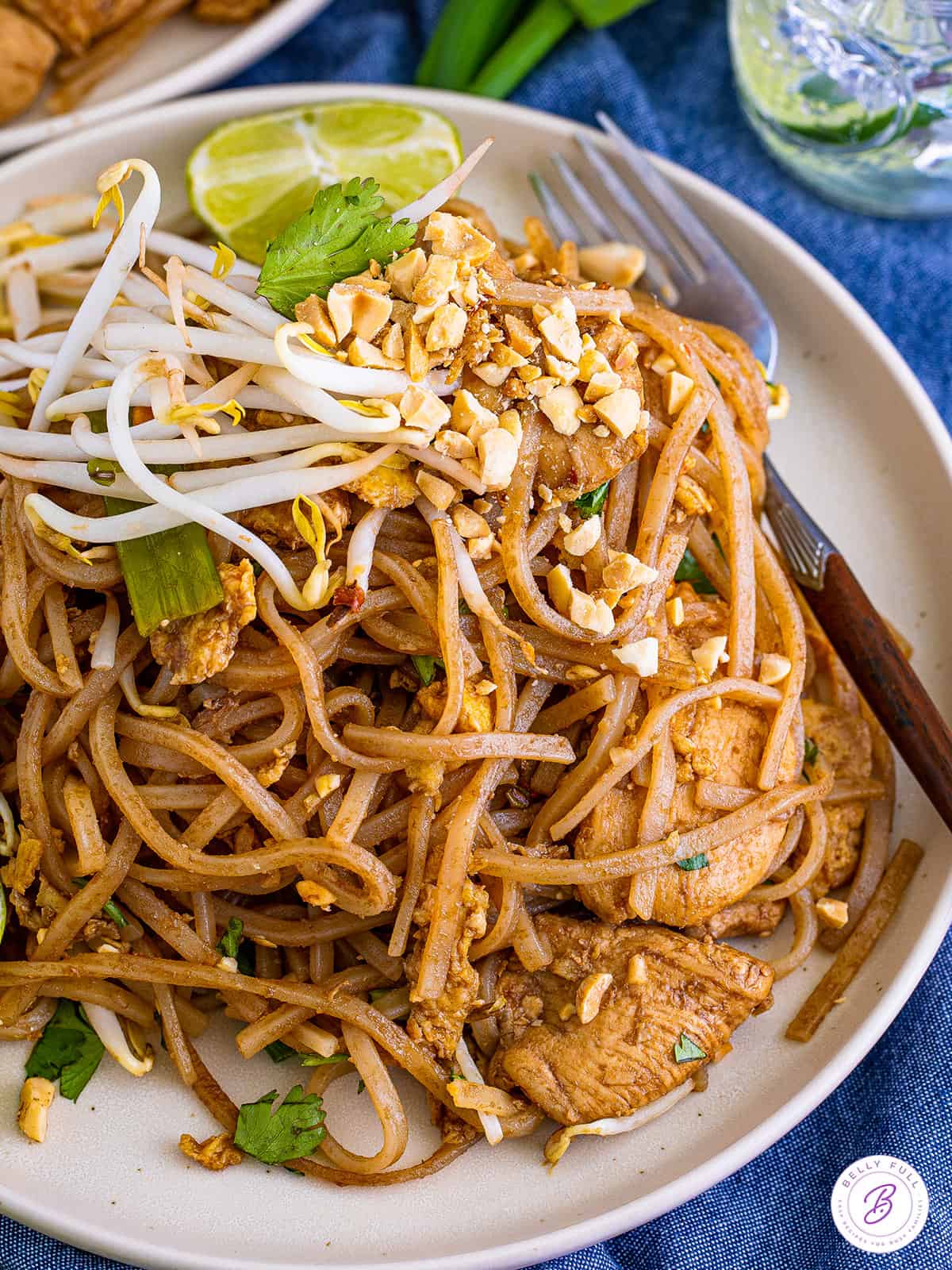
The Best pad thai easy recipe chicken
Okay, so let me tell you why I’m always reaching for Pad Thai Chicken—it’s simple, it’s got that perfect balance of sweet, tangy, and savory flavors, and it feels like a real treat without being anything but easy. I’ve been making it since my kids were little, and honestly, they’ve never complained about the effort it takes. It’s not some fancy dish that requires a Michelin-level kitchen, just a few basic ingredients that come together in a way that feels like a hug for your taste buds. My husband says it’s the one meal he can’t wait for after a long day, and my kids? They’ll eat it every time because it’s got that crunchy noodle texture and that little bit of spice that makes it exciting. Plus, it’s not just a meal—it’s a way to get a little bit of everything you want in one bowl: protein, veggies, and carbs without the heavy stuff.
What I love most about this recipe is how adaptable it is. You can make it a quick weeknight dinner or a special occasion meal—maybe even a family gathering where everyone’s gathered around the table. My kids have always loved it when we serve it with a side of fresh fruit or a simple salad because it’s a lighter option than you’d think, but still packed with flavor. And the health benefits? Well, it’s got chicken for lean protein, rice noodles for a touch of carbs, and plenty of veggies like bell peppers and onions that give it that fresh crunch. It’s not some processed junk, but it doesn’t feel like a diet meal either—just something that’s actually good for you in a way that feels indulgent. Plus, the way the sauce clings to the noodles and chicken makes it taste like you’ve put in effort, even if you didn’t. It’s that kind of recipe that makes you feel good about what you’re serving.

Easy Chicken Pad Thai Recipe
A flavorful and quick stir-fry dish featuring tender chicken, rice noodles, and a tangy-sweet sauce. Perfect for a weeknight meal!
🥘Ingredients
- 1 lb chicken thighs, sliced
- 1 tbsp soy sauce
- 1 tbsp oyster sauce
- 1 tsp minced garlic
- 1 tsp grated ginger
- 2 tbsp fish sauce
- 3 tbsp palm sugar (or brown sugar)
- 2 tbsp rice vinegar
- 1 tbsp lime juice
- 1 tbsp vegetable oil
- 1/2 cup crushed peanuts
- 1/4 cup chopped cilantro
- 1/4 cup sliced green onions
- 1/2 cup bean sprouts
- 1 package (12 oz) rice noodles
- 1 cup water
👨🍳Directions
-
1 Cook rice noodles according to package instructions (usually 8-10 mins in boiling water). Drain and rinse with cold water to stop cooking.
-
2 In a bowl, mix chicken slices with soy sauce, oyster sauce, garlic, and ginger. Set aside.
-
3 Heat oil in a large skillet over medium-high heat. Cook chicken until no longer pink (~5 mins). Remove and set aside.
-
4 In the same pan, add sauce ingredients (fish sauce, sugar, vinegar, lime juice) and stir to combine. Add noodles and toss to coat.
-
5 Return chicken to the pan and stir-fry for 2-3 mins. Add bean sprouts and cook for 1-2 mins until tender.
-
6 Garnish with crushed peanuts, cilantro, and green onions. Serve hot!
🔧Equipment
- Stir-fry pan
- Large skillet
- Mixing bowls
- Knife and cutting board
- Measuring cups
- Slotted spoon
📊Nutrition Facts (per serving)
📝Notes
Watch Video Of How Easy Chicken Pad Thai Recipe Works
This Pad Thai with chicken is always a crowd-pleaser because it’s simple enough to make ahead and still taste fresh when served, making it perfect for busy weeknights or last-minute family gatherings. The flavors are bright and balanced, with just the right amount of tang and sweetness, so it doesn’t feel like extra work—just delicious. Plus, it’s a great way to get everyone involved, whether you’re slicing chicken or tossing noodles, and it always feels like a special meal when you bring it to the table.
❓ Frequently Asked Questions About Chicken Pad Thai
What is the key difference between homemade Pad Thai and store-bought versions?
Homemade Pad Thai typically uses fresh ingredients like tamarind paste, rice noodles, and homemade sauce, which give it a richer, more balanced flavor compared to store-bought versions, which often rely on pre-made sauces or dried noodles. The texture also varies—homemade noodles are softer and chewier, while store-bought ones can be gummy or dry.
Why does my Pad Thai sauce turn out too thick or too thin?
A thick sauce comes from cooking too long or not enough liquid (like water or broth), while a thin sauce may result from not reducing the sauce enough or adding too much water. To fix it, simmer the sauce until it thickens slightly, then adjust with a splash of water or a pinch of cornstarch mixed in a little cold water. Stirring constantly helps maintain consistency.
Can I substitute tamarind paste for something else if I don’t have it?
Yes! If you can’t find tamarind paste, use 1 tablespoon lemon juice or lime juice + 1 teaspoon brown sugar as a substitute. For a tangier flavor, a small amount of vinegar (white or rice vinegar) mixed with sugar also works. Tamarind’s sourness is essential, but these alternatives can mimic the acidity in a pinch.
How do I avoid making my Pad Thai noodles mushy or dry?
To keep noodles tender, boil them al dente (about 2-3 minutes less than package instructions) and rinse briefly under cold water before cooking in the wok. Overcooking or adding them too late in the stir-fry causes mushiness. If they’re dry, add a splash of water or soy sauce while cooking to rehydrate them.
What’s the best way to handle the egg in Pad Thai to avoid a runny yolk?
For perfectly set eggs without runny yolks, scramble them separately first (soft or slightly runny) and mix them in at the very end of cooking. Alternatively, use egg whites only (if you prefer a firmer texture) or lightly fry the whole egg in a small pan before adding it to the Pad Thai. Stir-frying too quickly can cause yolks to break.