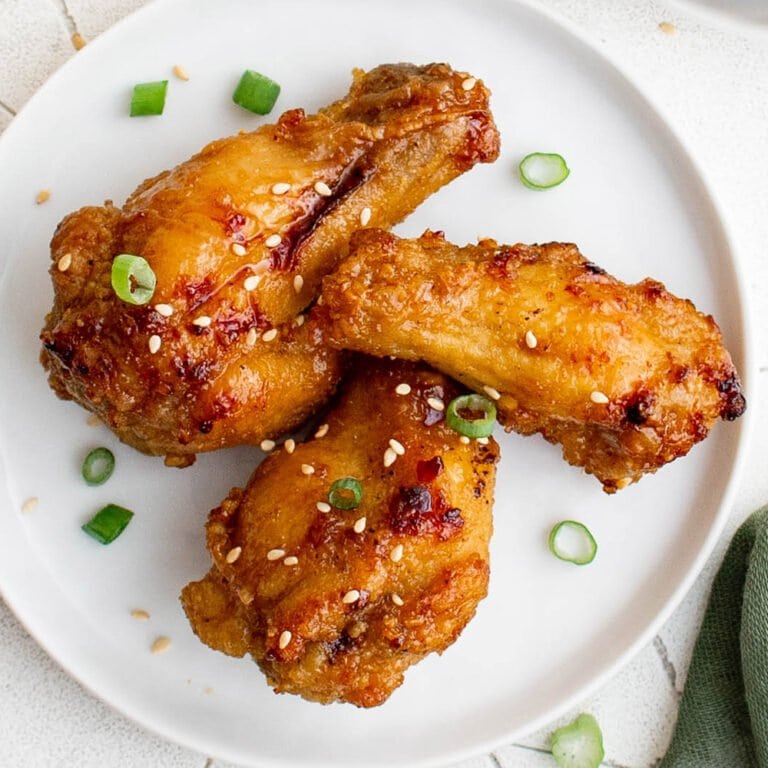
recipe korean spicy chicken

The Best recipe korean spicy chicken
Oh, this Korean spicy chicken recipe—it’s one of those dishes that just feels like a hug for your taste buds. I first fell in love with it years ago when my Korean friend showed me how to make it at her place, and I’ve been hooked ever since. The way the chicken gets glazed in that fiery, tangy sauce—it’s like a perfect balance of heat and sweetness, and it’s always a hit with my family. My kids, especially my son who’s picky about spice, will eat it straight from the pan, and my husband always says it’s the only thing that makes his dinner feel special, even on weeknights. It’s not just a meal; it’s something that brings everyone together, whether it’s a quick weeknight dinner or a party where people are digging in before the first song starts.
I love this recipe because it’s so versatile. You can serve it as a main dish with rice, or slice it up and toss it with greens for a quick salad. It’s great for meal prep too—cook a big batch on Sunday and reheat it through the week, and it’ll keep its flavor. Plus, the health benefits are pretty neat. The chicken is lean and packed with protein, and the sauce is made with ingredients like gochujang, which isn’t just spicy—it’s also got probiotics and fiber. It’s not some heavy, greasy dish, but it still tastes indulgent, so you can enjoy it without guilt. My kids don’t even realize how good it is for them, and honestly? Neither do I. It’s that kind of dish that feels like a treat, but it’s actually good for you. And honestly, there’s nothing better than knowing your family is eating something that’s both delicious and nutritious.
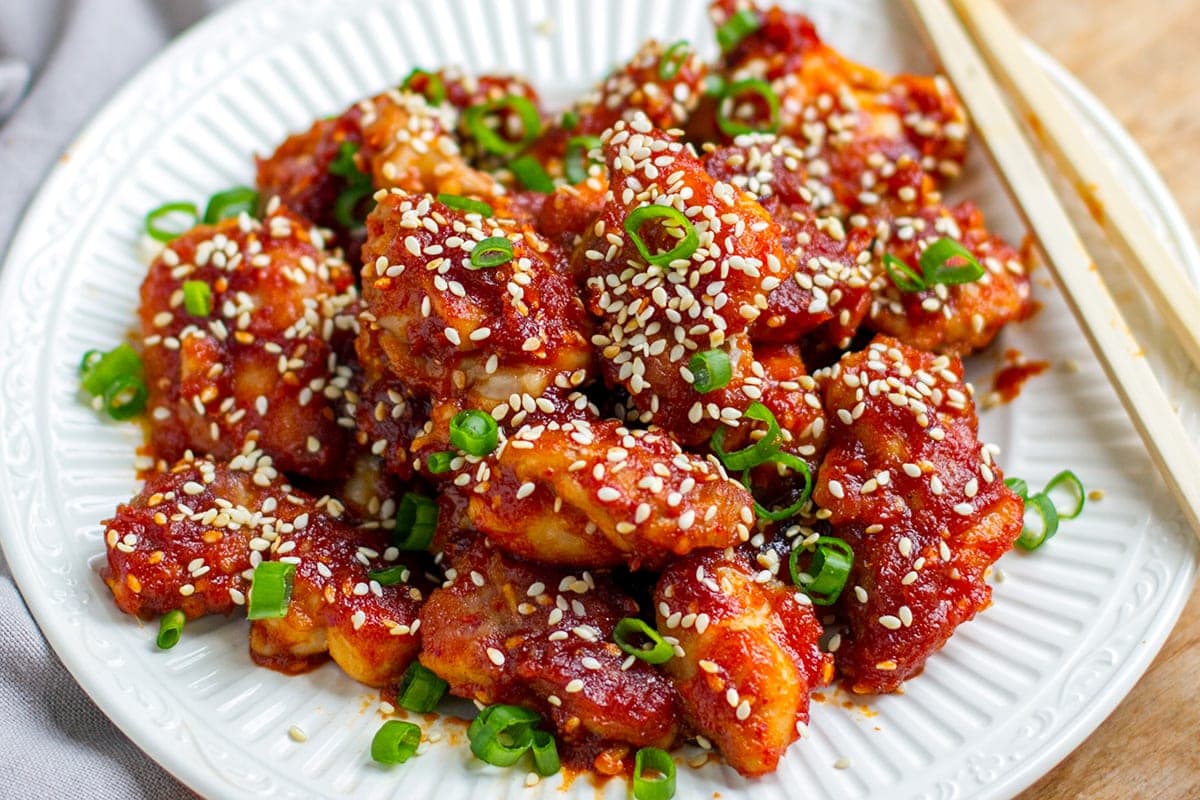
Korean Spicy Chicken (Gochujang Chicken)
A flavorful and spicy Korean dish featuring tender chicken marinated in gochujang, garlic, and ginger, then baked to perfection with a sweet and tangy glaze. This recipe is a must-try for any occasion.
🥘Ingredients
- 1.5 lbs boneless chicken thighs
- 2 tbsp soy sauce
- 1 tbsp brown sugar
- 1 tbsp gochujang (Korean red pepper paste)
- 1 tbsp rice vinegar
- 2 cloves garlic, minced
- 1 tbsp grated ginger
- 1 tbsp sesame oil
- 3 tbsp gochujang
- 2 tbsp honey
- 1 tbsp soy sauce
- 1 tbsp rice vinegar
- 1 tbsp sesame oil
- 1 clove garlic, minced
- 1 green onion, sliced
- 1 tbsp sesame seeds
👨🍳Directions
-
1 Preheat oven to 400°F (200°C). Line a baking sheet with parchment paper.
-
2 In a bowl, mix chicken thighs with soy sauce, brown sugar, gochujang, rice vinegar, minced garlic, grated ginger, and sesame oil. Marinate for at least 30 minutes.
-
3 Preheat a separate pan on high heat. Cook chicken in batches for 5-6 minutes until fully cooked (165°F internal temp). Set aside.
-
4 In the same pan, sauté garlic for 30 seconds. Add gochujang, honey, soy sauce, rice vinegar, and sesame oil. Simmer for 2 minutes to make the glaze.
-
5 Place chicken on the baking sheet. Pour half of the glaze over the chicken. Wrap with aluminum foil and bake for 20 minutes.
-
6 Remove foil and drizzle remaining glaze over the chicken. Bake for another 10 minutes. Garnish with sliced green onions and sesame seeds.
🔧Equipment
- Mixing bowls
- Knife and cutting board
- Oven
- Baking sheet
- Aluminum foil
- Measuring spoons
📊Nutrition Facts (per serving)
📝Notes
Watch Video Of How Korean Spicy Chicken (Gochujang Chicken) Works
This Korean spicy chicken recipe is always a lifesaver for family gatherings because it’s quick to make, packed with bold flavors, and never fails to bring everyone together. Whether it’s a casual weeknight meal or a bigger spread, the heat and tangy glaze make it feel special without needing extra effort. Plus, it’s so adaptable—you can serve it with rice, naan, or even just as a hearty side—so it fits any occasion with ease.
❓ Frequently Asked Questions About Korean Spicy Chicken (Gochujang Chicken)
What is the key difference between Korean spicy chicken and other spicy chicken recipes?
Korean spicy chicken (often called Gyeran Jjigae or Gyeran Jjigae Chicken) differs primarily in its marinade and cooking method. Unlike many spicy chicken dishes that rely on a simple sauce or seasoning, Korean spicy chicken uses a tangy, garlicky marinade with a mix of soy sauce, sesame oil, and fermented seasonings like gochugaru (Korean red pepper flakes) and doenjang (fermented soybean paste). The dish is typically stir-fried or baked, allowing the flavors to meld deeply into the chicken, and often includes a rich, slightly sweet glaze from a gochujang-based sauce. Additionally, it may incorporate onions, garlic, and sometimes green onions for texture contrast.
—
How do I adjust the spice level in this recipe to suit my taste?
The spice level in Korean spicy chicken can be easily adjusted by controlling the amount of gochugaru (Korean red pepper flakes) or gochujang (fermented red pepper paste). If you prefer it milder, reduce the amount by half or use a mix of gochugaru with a bit of gochujang (which is slightly sweeter and less fiery). For extra heat, add more gochugaru or sprinkle it directly on top before serving. If you dislike heat altogether, skip the red pepper flakes and rely on the garlicky, umami-rich marinade instead. Always taste as you go—Korean cuisine is highly customizable!
—
Can I use any type of chicken for this recipe, or is one cut better than others?
While any cut of chicken can work, thighs or drumsticks are the best choices for Korean spicy chicken because they stay juicy and flavorful even when cooked. Bone-in pieces tend to absorb marinade better and develop a richer taste. If using breast, cut it into smaller pieces or cube it to ensure even cooking. For extra tenderness, you can also marinate boneless, skinless thighs in the sauce for at least 30 minutes before cooking. Freezing the chicken beforehand (thawed before marinating) can also help it absorb more flavor.
—
What are the best ways to serve Korean spicy chicken, and does it pair well with sides?
Korean spicy chicken is best served hot with a variety of sides to balance the heat and richness. Classic pairings include: – Steamed rice (white or brown) to soak up the sauce. – Kimchi (fermented cabbage) for a tangy, probiotic contrast. – Cucumber salad (e.g., okjuk or oigesaengchae) to cool the palate. – Pickled radish (danmuji) for a crunchy, refreshing bite. – Bibimbap (mixed rice bowl with veggies and egg) for a complete meal. – Cold noodles (mandu or jajangmyeon) if you prefer a lighter option. For drinks, soju (Korean liquor) or green tea can complement the dish, while milk (like Korean momjong) can help neutralize the heat.
—
How long should I marinate the chicken in the Korean spicy chicken sauce, and can I make it ahead of time?
For the best flavor, marinate the chicken for at least 30 minutes to 2 hours (overnight is ideal if possible). The longer it marinates, the deeper the taste will penetrate. If making ahead, store the marinated chicken in the fridge for up to 2 days in an airtight container. When ready to cook, transfer it to a baking dish or skillet and bake or stir-fry as directed. The sauce can also be prepped separately and added fresh before cooking to prevent excessive thickening. For extra convenience, you can even make the sauce in advance and store it in the fridge for up to 3 days.