authentic kung pao chicken recipe

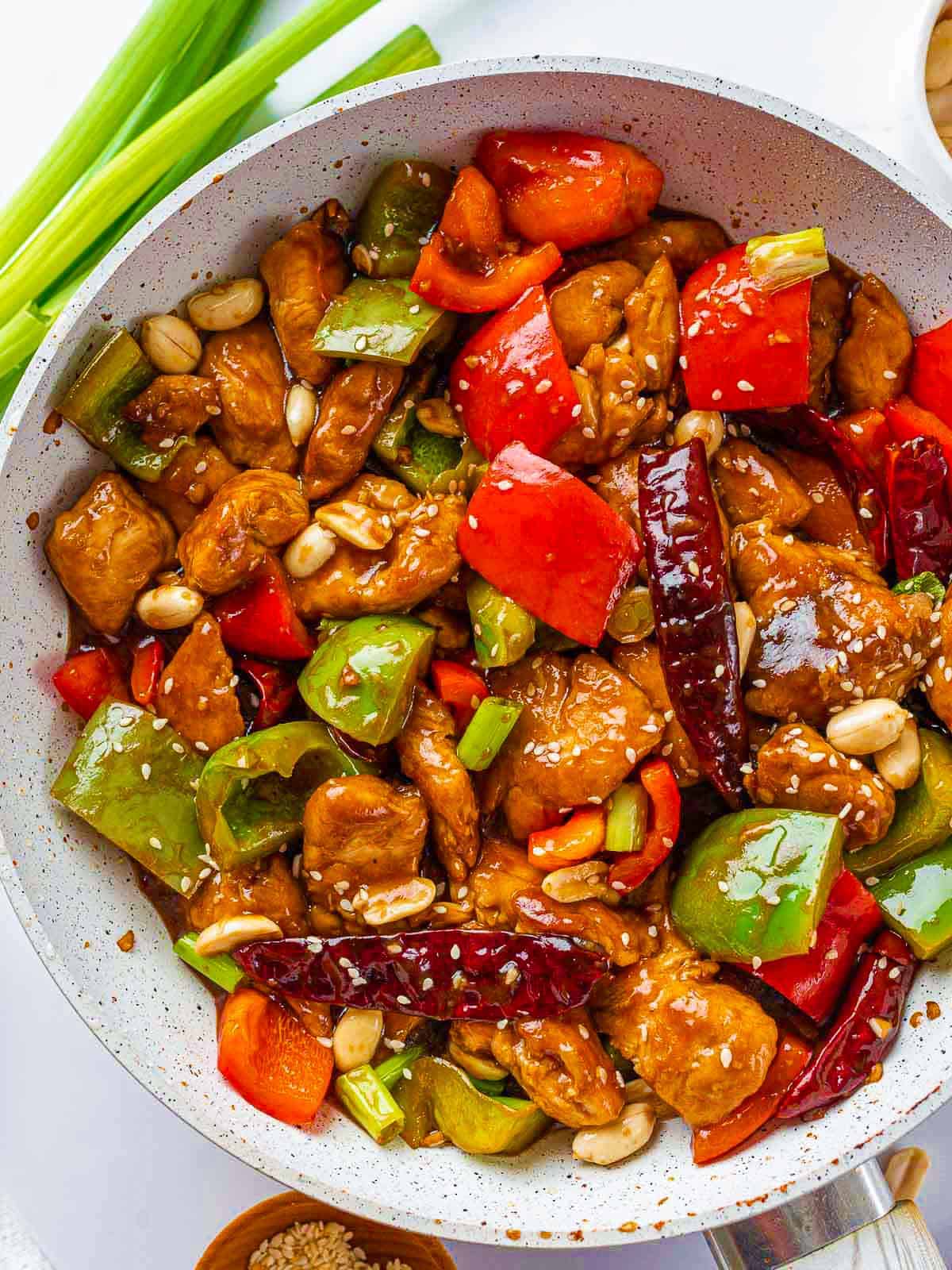
The Best authentic kung pao chicken recipe
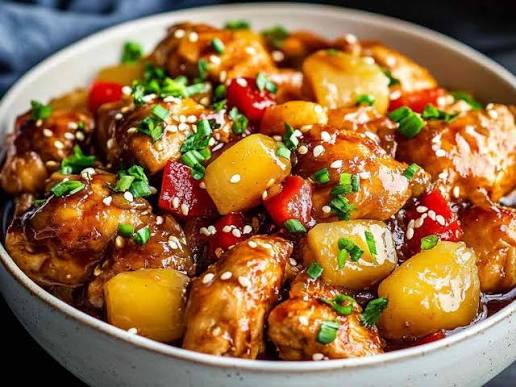
I’ve been making this authentic Kung Pao chicken recipe for years, and it’s one of those dishes that never fails to impress. It’s the kind of meal that brings everyone to the table—my husband always asks for seconds, and even my picky kids will eat every last bite if I let them. The balance of spicy, tangy, and slightly sweet flavors makes it feel special, but it’s simple enough to whip up on a weeknight when you need something fast and satisfying.
Click here for: franks hot sauce chicken wing recipe
What I love most about this recipe is how versatile it is. It works just as well for a casual family dinner as it does for a potluck or a small gathering with friends. Plus, it’s packed with protein from the chicken and healthy fats from the peanuts, and the veggies add a nice crunch without overpowering the dish.
It’s one of those recipes that feels indulgent but is actually pretty balanced, which is a win in my book. If you’re looking for a dish that’s flavorful, easy to make, and always a hit, this is the one to try.
Authentic Kung Pao Chicken
A classic Sichuan dish featuring tender chicken stir-fried with dried chilies, Sichuan peppercorns, and roasted peanuts in a savory, spicy, and slightly sweet sauce. This dish balances heat, numbing spice, and umami for an unforgettable flavor experience.
🥘Ingredients
- 1 lb (450g) boneless, skinless chicken thighs, cut into 1-inch cubes
- 1 tbsp soy sauce
- 1 tbsp Shaoxing wine (or dry sherry)
- 1 tbsp cornstarch
- 1 tsp dark soy sauce (optional, for color)
- 3 tbsp soy sauce
- 1 tbsp dark soy sauce
- 1 tbsp Chinkiang black vinegar (or balsamic vinegar)
- 1 tbsp Shaoxing wine
- 1 tbsp hoisin sauce
- 1 tsp sugar
- 1 tsp cornstarch
- 2 tbsp water or chicken stock
- 3 tbsp vegetable oil (divided)
- 10-12 dried red chilies (e.g., Tianjin or Sichuan chilies), stems removed
- 1 tsp Sichuan peppercorns (lightly toasted and crushed)
- 3 cloves garlic, minced
- 1-inch piece ginger, minced
- 3-4 green onions, cut into 1-inch pieces (white and green parts separated)
- ½ cup roasted peanuts (or cashews)
- 1 red bell pepper, diced (optional)
👨🍳Directions
-
1 Marinate the chicken: In a large bowl, combine chicken cubes with soy sauce, Shaoxing wine, cornstarch, and dark soy sauce (if using). Mix well and let sit for 15 minutes.
-
2 Prepare the sauce: In a small bowl, whisk together soy sauce, dark soy sauce, black vinegar, Shaoxing wine, hoisin sauce, sugar, cornstarch, and water. Set aside.
-
3 Toast the Sichuan peppercorns: In a dry wok or skillet over low heat, lightly toast the Sichuan peppercorns for 1-2 minutes until fragrant. Crush them lightly with a mortar and pestle or the side of a knife. Set aside.
-
4 Stir-fry the aromatics: Heat 2 tbsp vegetable oil in a wok or large skillet over high heat. Add dried chilies and stir-fry for 20-30 seconds until they darken slightly. Add the white parts of the green onions, garlic, and ginger. Stir-fry for 30 seconds until fragrant.
-
5 Cook the chicken: Add the marinated chicken to the wok in a single layer. Let it sear undisturbed for 1-2 minutes until browned, then stir-fry for another 2-3 minutes until nearly cooked through.
-
6 Add vegetables and peanuts: Push the chicken to one side of the wok. Add the remaining 1 tbsp oil, then stir-fry the bell pepper (if using) and green onion greens for 1 minute. Add the roasted peanuts and stir to combine.
-
7 Finish with the sauce: Give the sauce a quick stir, then pour it into the wok. Stir-fry everything together for 1-2 minutes until the sauce thickens and coats the chicken and peanuts evenly.
-
8 Add Sichuan peppercorns: Sprinkle the crushed Sichuan peppercorns over the dish and toss to combine. Taste and adjust seasoning if needed (add a pinch of sugar for sweetness or vinegar for tang).
-
9 Serve: Transfer to a serving dish and garnish with additional green onions or peanuts if desired. Serve hot with steamed rice.
🔧Equipment
- Large mixing bowl
- Wok or large skillet
- Small bowl (for sauce)
- Tongs or spatula
- Knife and cutting board
📊Nutrition Facts (per serving)
📝Notes
Watch Video Of How Authentic Kung Pao Chicken Works
This authentic Kung Pao chicken recipe is one I always turn to when I need a dish that’s quick, flavorful, and sure to please a crowd. The balance of spicy, sweet, and tangy flavors makes it a standout at family gatherings, potlucks, or even a simple weeknight dinner. It’s easy to scale up for a big group, and the ingredients are simple enough that you can throw it together without stress—making it a reliable go-to for any occasion.
Click here for: frozen chicken tenders recipe
❓ Frequently Asked Questions About Kung Pao Chicken
1. What makes Kung Pao Chicken “authentic”?
Authentic Kung Pao Chicken originates from Sichuan province in China and is known for its bold, spicy, and slightly sweet flavor profile. Key characteristics include the use of Sichuan peppercorns (which create a numbing sensation), dried red chilies, and a balance of savory, sweet, and tangy notes from ingredients like soy sauce, vinegar, and sugar. Traditional recipes also include Sichuan-style doubanjiang (fermented chili bean paste) and often feature diced chicken, peanuts, and scallions.
2. Can I make Kung Pao Chicken without Sichuan peppercorns?
While Sichuan peppercorns are a defining ingredient in authentic Kung Pao Chicken, you can substitute them with a mix of black pepper and a pinch of cayenne for heat if they’re unavailable. However, the dish won’t have the same numbing (málà) effect. For a closer alternative, try using a small amount of sansho pepper (Japanese pepper), which has a similar tingling sensation.
3. What’s the best cut of chicken for Kung Pao Chicken?
The ideal cut is boneless, skinless chicken thighs because they stay tender and juicy during high-heat stir-frying. Chicken breast can be used but tends to dry out more easily. If using breast, slice it thinly and marinate it longer (at least 20 minutes) to retain moisture. For extra flavor, some recipes call for leaving a bit of fat on the thighs.
4. How spicy is authentic Kung Pao Chicken?
Authentic Kung Pao Chicken is moderately to very spicy, depending on the amount of dried chilies and doubanjiang used. The heat comes from both the chilies and the fermented chili bean paste, while Sichuan peppercorns add a unique numbing spiciness. If you prefer milder heat, reduce the number of chilies or remove their seeds before cooking. For extra heat, add more chilies or a dash of chili oil.
5. Can I use pre-roasted peanuts instead of raw peanuts?
Yes, pre-roasted peanuts work well and save time. If using raw peanuts, dry-toast them in a pan over low heat until golden and fragrant (about 3–5 minutes) before adding them to the dish. This step enhances their crunch and flavor. Avoid salted or flavored peanuts, as they can overpower the dish’s balance of flavors.