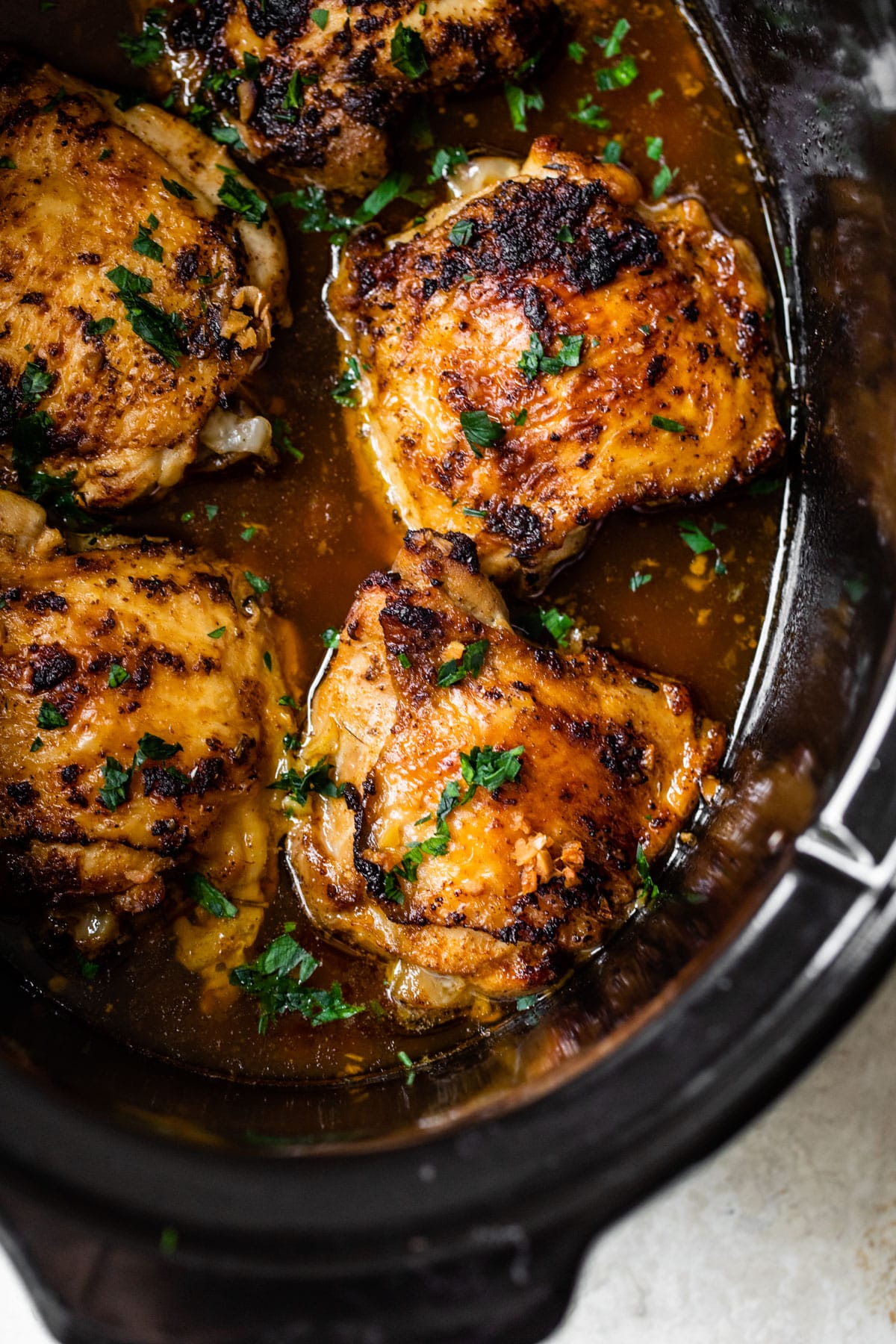
chicken adobo recipe ingredients

The Best chicken adobo recipe ingredients
Chicken adobo is one of those simple dishes that feels like a hug in a bowl. There’s something about the tangy, slightly sweet, and smoky flavors that make it feel like home—something that doesn’t require a lot of fuss but still leaves everyone at the table happy. I first made it years ago when I was trying to keep things quick and flavorful for my family, and honestly, it became a staple. My kids, especially my little one who’s always picky, would beg for it after their first bite. It’s that kind of dish where the simplicity of the ingredients makes the taste so rich and satisfying.
What I love most about adobo is how it works for so many occasions—whether it’s a weeknight dinner when I’m tired but still want something delicious, a gathering with friends where I don’t have to stress over fancy plating, or even a quick meal when I’m craving something comforting. It’s that kind of recipe that feels like a celebration, even if it’s just for me and my family. And let’s not forget the health perks—lean protein from the chicken, fiber from the vegetables, and a little bit of good fat from the coconut milk that keeps it heart-friendly without being heavy. It’s that balance of being indulgent and nourishing, which is why I never seem to run out of ways to serve it.
Classic Filipino Chicken Adobo
A tangy, savory, and slightly sweet Filipino dish featuring tender chicken marinated in vinegar, soy sauce, and garlic, then simmered to perfection. This recipe is a must-try for any occasion.
🥘Ingredients
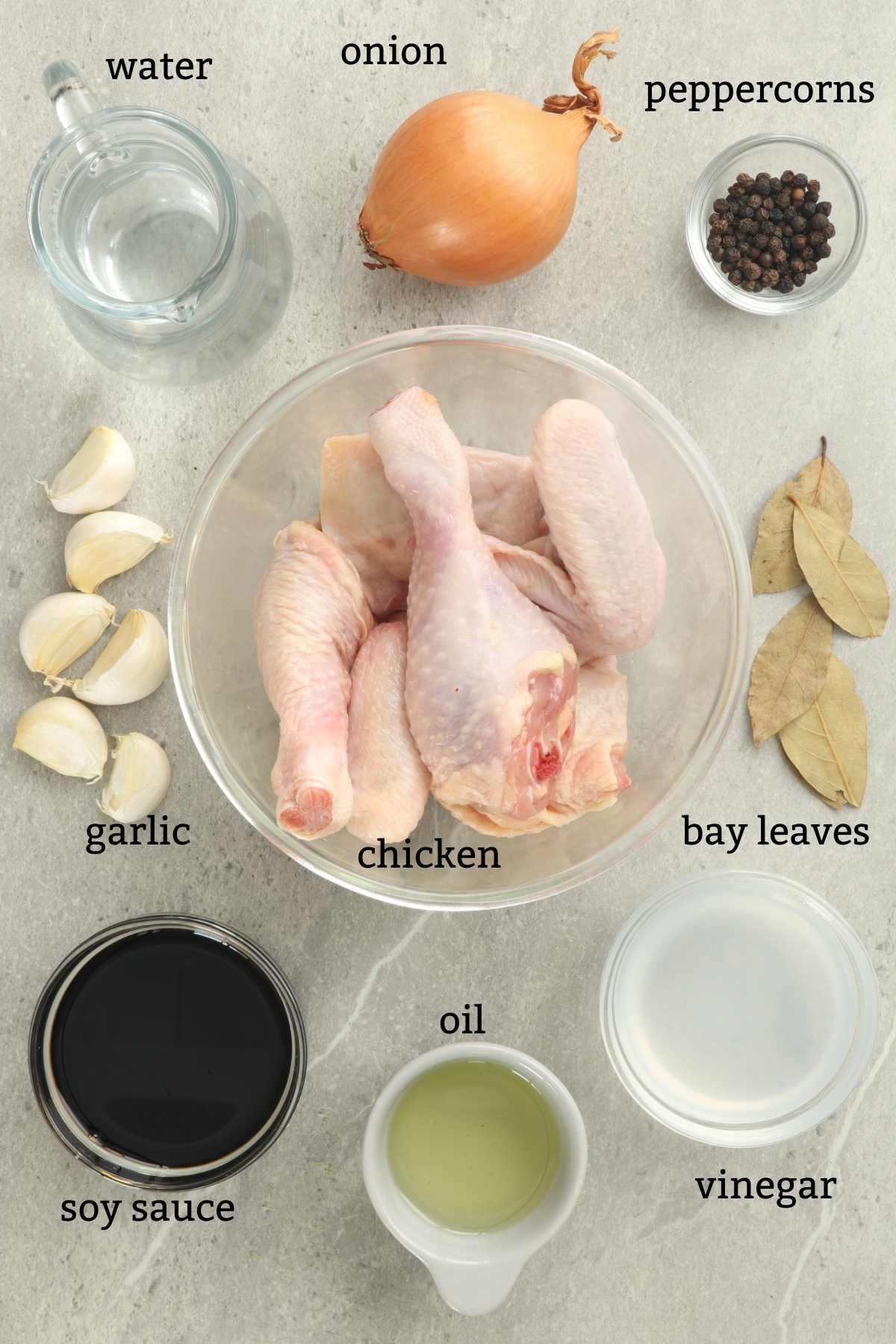
- 1.5 kg boneless chicken thighs (cut into bite-sized pieces)
- 2 tbsp vegetable oil
- 3 cups water
- 1 cup vinegar (white or rice vinegar)
- 1 cup soy sauce
- 12 cloves garlic (minced)
- 2 bay leaves
- 1 tsp black peppercorns (crushed)
- 1 tsp whole black pepper
- 1 tsp sugar (optional, for balance)
- 1 tsp salt (adjust to taste)
👨🍳Directions
-
1 In a large pot, heat oil over medium-high heat. Add chicken pieces and cook until lightly browned on all sides (about 5-7 minutes). Remove chicken and set aside.
-
2 In the same pot, add minced garlic, bay leaves, and crushed peppercorns. Sauté for 1 minute until fragrant.
-
3 Return chicken to the pot. Pour in water, vinegar, soy sauce, and sugar (if using). Stir well to combine.
-
4 Bring the mixture to a boil, then reduce heat to low. Cover and simmer for 25-30 minutes, or until chicken is tender and sauce has thickened slightly.
-
5 Remove from heat and let it rest for 5 minutes. Discard bay leaves. Adjust seasoning with salt and pepper if needed.
🔧Equipment
- Large pot or deep skillet
- Mixing bowls
- Knife and cutting board
- Measuring cups and spoons
- Wooden spoon or spatula
📊Nutrition Facts (per serving)
📝Notes
Watch Video Of How Classic Filipino Chicken Adobo Works
This chicken adobo recipe is a simple yet foolproof way to make hearty, flavorful meat that never disappoints—whether you’re feeding a big family or just craving something comforting after a long week. The key ingredients, like soy sauce, vinegar, garlic, and spices, pack a bold taste that’s easy to adjust, so it’s perfect for quick weeknight dinners or serving as a centerpiece at holiday gatherings. It’s versatile, cost-effective, and always a hit because it’s so naturally satisfying without needing fancy techniques.
❓ Frequently Asked Questions About Filipino Chicken Adobo
What is the traditional ratio of soy sauce to vinegar in classic chicken adobo?
In a traditional Filipino chicken adobo recipe, the ratio is usually 1 part soy sauce to 1 part vinegar (often white vinegar). Some variations may use a slightly higher vinegar-to-soy ratio (like 1.5:1) for tanginess, but the classic keeps it balanced.
—
Why do some recipes include garlic and onions in chicken adobo?
Garlic and onions are common in adobo because they add depth of flavor by breaking down into aromatic compounds when cooked. Garlic provides a savory, slightly pungent taste, while onions contribute sweetness and caramelization. These ingredients help balance the vinegar’s acidity and enhance the dish’s overall umami profile.
—
Can I substitute white vinegar with apple cider vinegar in chicken adobo, and how would it change the taste?
Yes, you can substitute white vinegar with apple cider vinegar (1:1 ratio), but the flavor will differ slightly. Apple cider vinegar has a milder, slightly sweeter taste with subtle fruity notes, which can make the adobo less sharp and more complex. If you prefer a tangier dish, stick with white vinegar.
—
What’s the best type of chicken to use for authentic adobo, and how should it be prepared?
For the best texture and flavor, use bone-in, skin-on chicken thighs or drumsticks (or a mix). They stay juicier than breasts and absorb the adobo sauce better. Before cooking, pat the chicken dry and season lightly with salt to help the vinegar penetrate. Some recipes also suggest brining the chicken in soy sauce for 30 minutes to enhance tenderness.
—
Why does adobo sauce sometimes turn a darker brown or black color, and is it normal?
The dark brown or black color in adobo sauce happens due to Maillard reactions—when the vinegar and soy sauce caramelize with the chicken’s natural sugars and proteins. This is normal and adds depth to the flavor. If you prefer a lighter color, you can reduce the cooking time or add a splash of water to dilute it. Some purists even say the darker it is, the better it tastes!