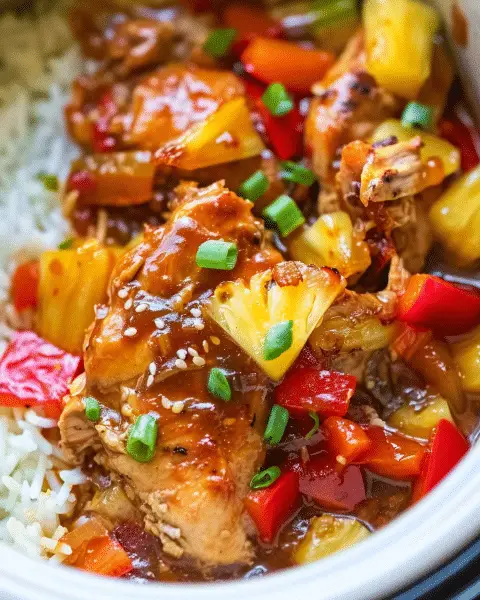
general tso’s chicken sauce recipe

The Best general tso’s chicken sauce recipe
Oh, this General Tso’s chicken recipe—it’s one of those dishes that feels like a hug in a bowl. I first made it when my kids were little, and let me tell you, it’s a game-changer for busy weeknights or when you just want something flavorful that doesn’t take forever. The sauce is rich and slightly sweet with a kick of spice, and it’s so easy to scale up if you’re feeding a crowd or just want leftovers that keep well. My family adores it—my husband says it’s the only thing that makes him forget his grumpiness after a long day, and my kids think it’s the best chicken they’ve ever had, even though I’ve been cooking it since they were toddlers. It’s not just a meal; it’s a comfort, and it works for everything from quick weeknight dinners to a special occasion when you want something impressive but still simple.
The best part? It’s surprisingly healthy for how indulgent it looks. The sauce isn’t loaded with extra sugar or grease if you keep it balanced—just a little bit of oil, some garlic, and a touch of honey or brown sugar to bring out the flavors. The chicken itself is lean, and you can even swap in tofu or shrimp if you’re watching your portions. It’s the kind of dish that feels like a treat but isn’t a complete indulgence, which is why my kids and I go back to it again and again. Plus, it’s so versatile—you can serve it over rice, noodles, or even with a bed of greens if you’re feeling lighter. It’s that kind of recipe that makes you feel good about eating, and honestly, that’s what I love most about it.

Classic General Tso’s Chicken Sauce
A tangy, sweet, and slightly spicy sauce paired with crispy fried chicken, this iconic dish is perfect for a quick and flavorful meal. This recipe is a must-try for any occasion.
🥘Ingredients
- 1.5 lbs boneless chicken thighs
- 1 tbsp cornstarch
- 1 tbsp soy sauce
- 1 tbsp rice vinegar
- 1 tsp sesame oil
- 3 tbsp soy sauce
- 2 tbsp rice vinegar
- 2 tbsp hoisin sauce
- 1 tbsp oyster sauce
- 1 tbsp sugar
- 1 tbsp cornstarch
- 1 clove garlic, minced
- 1 tsp grated ginger
- 1 tsp red pepper flakes (adjust to taste)
- 1 tbsp vegetable oil
- 1 cup water
- 1 green onion, sliced
- 1 tbsp sesame seeds
👨🍳Directions
-
1 Pat the chicken dry and season with salt. In a bowl, mix chicken with cornstarch, soy sauce, rice vinegar, and sesame oil. Set aside.
-
2 Heat oil in a frying pan over medium-high heat. Cook chicken until golden brown and crispy, about 6-7 minutes per side. Remove and set aside.
-
3 In the same pan, add a bit more oil if needed. Sauté garlic, ginger, and red pepper flakes for 30 seconds until fragrant.
-
4 Pour in hoisin sauce, oyster sauce, sugar, and cornstarch. Stir well and cook for 1 minute. Add water and bring to a simmer.
-
5 Strain the sauce to remove any bits, then return it to the pan. Simmer for 5-7 minutes until thickened.
-
6 Gently fold the cooked chicken into the sauce. Adjust seasoning if needed. Garnish with sliced green onions and sesame seeds.
🔧Equipment
- Medium saucepan
- Frying pan
- Mixing bowls
- Wooden spoon
- Fine-mesh strainer
📊Nutrition Facts (per serving)
📝Notes
Watch Video Of How Classic General Tso’s Chicken Sauce Works
This General Tso’s chicken sauce recipe is always a crowd-pleaser because it’s simple yet bold enough to stand up to other flavors in a meal, whether you’re serving it over rice for a quick weeknight dinner or as a side to a full spread at family gatherings. It’s the kind of dish that feels special but doesn’t take forever to prepare, so it’s perfect for when you need something hearty without the stress—especially when kids or guests are hungry and expect something familiar but still exciting. Plus, the sweet, spicy kick makes it feel festive, so it’s great for holidays or just because you want to impress without overcomplicating things.
❓ Frequently Asked Questions About General Tso’s Chicken Sauce
What is the primary ingredient that defines TSO’s Chicken Sauce as a distinct flavor profile?
TSO’s Chicken Sauce is known for its rich, slightly sweet, tangy, and savory flavor profile, which is primarily defined by its garlic, soy sauce, and tomato-based base. The sauce also includes a touch of vinegar (usually white or rice vinegar) for acidity, along with a blend of spices like black pepper, sugar, and sometimes a hint of ginger or red pepper flakes. The secret lies in the balanced combination of umami from soy sauce, sweetness from sugar, and depth from garlic and tomatoes.
—
Why does the sauce sometimes have a thicker consistency compared to other tomato-based sauces?
The thicker consistency in TSO’s Chicken Sauce comes from its simmering process, where the sauce is reduced over time to concentrate flavors. Unlike quick-cooked sauces, the recipe typically involves slow-cooking or simmering the ingredients for an extended period (often 1–2 hours) to break down the components and thicken it naturally. This also allows the flavors to meld together more deeply. Some versions may also include a small amount of cornstarch or flour (though traditional recipes avoid this for authenticity).
—
Can I substitute any of the traditional ingredients in TSO’s Chicken Sauce, and if so, what are the best alternatives?
While the original recipe relies on soy sauce, tomato paste, garlic, vinegar, and sugar, you can make adjustments for dietary preferences or availability: – Soy sauce alternative: Use coconut aminos (for vegan) or low-sodium soy sauce if reducing sodium. For a deeper umami, a splash of fish sauce (in moderation) can work in Asian-inspired dishes. – Tomato paste: Substitute with ketchup (diluted with a little water) or tomato sauce (but reduce liquid later to avoid thinning). For a sweeter taste, add a bit more sugar. – Garlic: If avoiding raw garlic, use garlic powder (reduce to ½ the amount) or minced cooked garlic (which has less pungency). – Vinegar: Replace with apple cider vinegar or rice vinegar for a slightly different tang. For extra depth, a pinch of citric acid can help balance sweetness. – Sugar: Use honey or maple syrup (but adjust to prevent a overly sweet sauce). For a touch of heat, add a tiny bit of red pepper flakes or sriracha. – Black pepper: If unavailable, use ground white pepper (less intense) or omit if the dish benefits from it (e.g., in milder preparations).
Note: Some substitutions may alter the sauce’s authenticity, so taste as you go!
—
How do I know if my TSO’s Chicken Sauce is ready to be used in cooking?
Your TSO’s Chicken Sauce is typically ready when it meets these criteria: 1. Thickness: It should coat the back of a spoon without dripping off easily (though it can still be slightly thin if you prefer a glossier texture). 2. Flavor depth: The sauce should have a balanced mix of sweet, savory, tangy, and slightly umami notes—no raw or overly bitter tastes. 3. Simmering time: If you’ve been cooking it for 1–2 hours (or as directed in the recipe), it should be fully reduced. If it’s too thin, simmer it uncovered for another 10–15 minutes to thicken. 4. Smell: The aroma should be rich, aromatic, and slightly sweet with a hint of garlic and vinegar—not burnt or off. 5. Texture: It should be smooth with no lumps (though some recipes naturally develop a slight graininess from ingredients like garlic or vinegar).
If it’s still too thin, you can mash it slightly with a fork or whisk to help it cling to food better.
—
How can I store TSO’s Chicken Sauce to maintain its freshness and flavor?
To keep your TSO’s Chicken Sauce at its best: – Short-term storage (1–2 weeks): – Let it cool completely, then transfer to an airtight container (glass or BPA-free plastic). – Store in the fridge for up to 1–2 weeks. The sauce may separate slightly over time, but stir it before using. – Long-term storage (up to 3 months): – Freeze in portioned portions (e.g., small jars or ice cube trays for single servings) to avoid thawing the entire batch. – Thaw overnight in the fridge before reheating. Stir well before use—freezing can cause slight thickening. – Reheating: – Warm gently on the stove over low heat, stirring occasionally, to avoid scorching. If too thick, add a splash of water or broth. – Avoiding spoilage: – Since the sauce contains vinegar (which acts as a preservative), it won’t spoil quickly, but always check for off smells or mold before use. – If the sauce develops a slightly off taste (e.g., overly sour or fermented), it’s best to discard it.