
rosemary and chicken recipe

- The Best rosemary and chicken recipe
- Rosemary Garlic Chicken with Roasted Potatoes
- 🥘Ingredients
- 👨🍳Directions
- 🔧Equipment
- 📊Nutrition Facts (per serving)
- 📝Notes
- Watch Video Of How Rosemary Garlic Chicken with Roasted Potatoes Works
- ❓ Frequently Asked Questions About Rosemary Garlic Chicken with Roasted Potatoes
The Best rosemary and chicken recipe
Rosemary and chicken has always been one of my favorite go-to meals—simple, flavorful, and something my family just can’t get enough of. It’s the kind of dish that feels special but doesn’t take forever to prepare, which is why it’s perfect for busy weeknights or whenever we want something hearty without all the fuss. I love how the earthy, slightly piney taste of rosemary pairs so well with tender chicken, making every bite feel fresh and satisfying. My kids especially enjoy it because it’s not too spicy, not too greasy, and always tastes like home. We’ll often make it on Sundays when we’re looking for something easy but impressive, and it never fails to make the table feel cozy.
What I love most about this recipe is how it’s packed with good stuff—lean protein from the chicken, healthy fats from the olive oil, and antioxidants from the rosemary. It’s not just delicious, it’s actually good for you, which is a bonus when you’re trying to eat well without feeling like you’re missing out. My family and I have been eating it for years, and it’s always a crowd-pleaser, whether we’re serving it with simple roasted potatoes or a fresh salad. It’s that kind of recipe that makes you feel good about what you’re putting into your body, and it’s something that’s easy to double if you have guests over. No fancy techniques, just good, simple cooking that comes together beautifully.
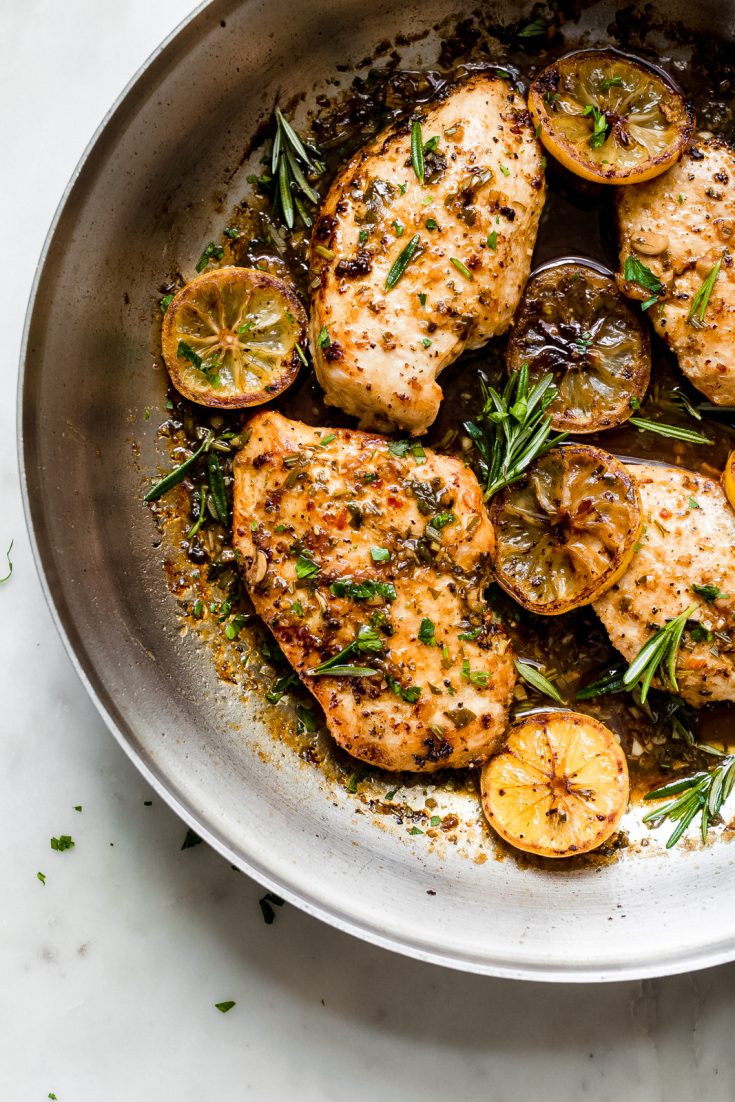
Rosemary Garlic Chicken with Roasted Potatoes
A flavorful dish featuring tender chicken thighs marinated in rosemary, garlic, and olive oil, paired with crispy roasted potatoes and a rich tomato-based sauce. This recipe is a must-try for any occasion.
🥘Ingredients
- 4 boneless, skinless chicken thighs
- 2 tbsp olive oil
- 4 cloves garlic, minced
- 2 tbsp fresh rosemary, chopped
- 1 tsp dried thyme
- 1 tsp salt
- ½ tsp black pepper
- 4 medium baby potatoes, halved
- 2 tbsp olive oil
- 1 tsp garlic powder
- ½ tsp paprika
- Salt and pepper to taste
- 1 cup tomato sauce
- 1 tbsp butter
- 1 tbsp fresh parsley, chopped
- Juice of ½ lemon
👨🍳Directions
-
1 Preheat oven to 400°F (200°C). Toss halved potatoes with olive oil, garlic powder, paprika, salt, and pepper. Spread on a baking sheet and roast for 20 minutes.
-
2 In a bowl, combine olive oil, minced garlic, chopped rosemary, thyme, salt, and pepper. Add chicken thighs and coat evenly. Marinate for at least 15 minutes.
-
3 Remove potatoes from oven and set aside. Place chicken on the same baking sheet, skin-side up. Roast for 20 minutes, then flip and roast for another 15 minutes until golden and cooked through.
-
4 While chicken cooks, melt butter in a saucepan over medium heat. Add tomato sauce, parsley, and lemon juice. Simmer for 5 minutes.
-
5 Spoon sauce over the cooked chicken and potatoes. Return to the oven for 5 minutes to warm through.
🔧Equipment
- Mixing bowls
- Cutting board
- Knife
- Oven-safe baking dish
- Oven
- Mixing spoon
📊Nutrition Facts (per serving)
📝Notes
Watch Video Of How Rosemary Garlic Chicken with Roasted Potatoes Works
This Rosemary and Chicken recipe is always a great choice because it’s simple yet packed with flavor—perfect for when you need something hearty but not too complicated, especially during family gatherings. The herbs and garlic give it a fresh, aromatic taste that feels special without requiring fancy ingredients, making it a reliable go-to for both weeknight dinners and bigger celebrations. Plus, it’s easy to customize with whatever veggies you’ve got on hand, so it never feels like a one-size-fits-all meal.
❓ Frequently Asked Questions About Rosemary Garlic Chicken with Roasted Potatoes
What is the best way to prepare rosemary for use in cooking with chicken?
The best way to prepare rosemary for cooking is to finely chop or crush the leaves. This releases more aromatic oils, enhancing the flavor. You can either use fresh rosemary directly or dry it out by removing the stems, drying it in a warm, dry place for a few days, and then storing it in an airtight container.
How much rosemary should I use in a chicken recipe?
A general guideline is to use about 1 to 2 teaspoons of fresh rosemary leaves per pound of chicken, or roughly 1 tablespoon of dried rosemary per pound. For a whole chicken, start with 2-3 sprigs of fresh rosemary or about 1 teaspoon of dried rosemary. Adjust to taste, as rosemary is quite potent.
Can I substitute dried rosemary for fresh in a chicken recipe?
Yes, you can substitute dried rosemary for fresh, but you’ll need to adjust the quantity. Typically, use about 1 teaspoon of dried rosemary for every 1 tablespoon of fresh rosemary. Fresh rosemary has a stronger flavor, so using more of it can intensify the taste. Make sure to rehydrate dried rosemary in a little water before adding it to the dish if you want a more concentrated flavor.
What are the best cooking methods for incorporating rosemary into chicken dishes?
Rosemary pairs beautifully with chicken in several cooking methods: – Roasting: Toss chicken pieces with olive oil, rosemary, salt, and pepper, then roast at 375°F (190°C) until cooked through. – Grilled: Rub chicken with olive oil, rosemary, and herbs, then grill to your preferred doneness. – Braising: Use rosemary in the broth or marinade for a rich, aromatic sauce. – Stuffing: Mix chopped rosemary into chicken stuffing for extra flavor. – Marinating: Combine rosemary with olive oil, garlic, and citrus for a tenderizing marinade.
Why does rosemary add such a unique flavor to chicken, and are there any health benefits?
Rosemary enhances chicken with its earthy, slightly pine-like, and slightly bitter flavor, which contrasts well with the natural taste of meat. It contains antioxidants, anti-inflammatory compounds, and may support digestion and memory function. However, excessive consumption should be avoided due to potential side effects like skin irritation or mild digestive upset. Always use it in moderation as part of a balanced diet.
